Ford Capri VIN Decoder: History, Engines and VIN Lookup Guide
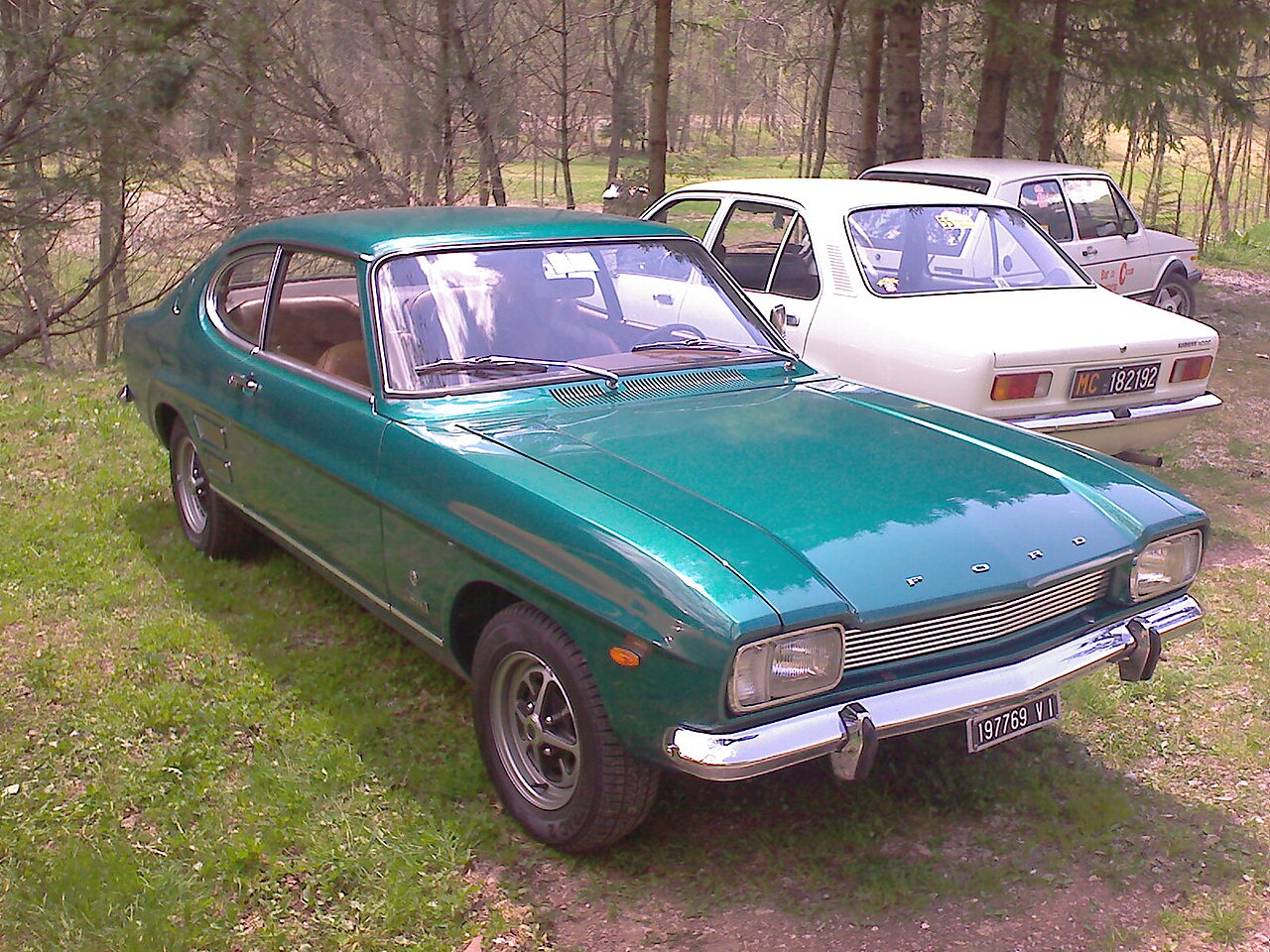
The Ford Capri carries a Vehicle Identification Number that tells you what a given car really is, which is invaluable when buying, restoring or verifying one of Europe’s most loved coupes. From 1981 onward Capris use the standard 17-character VIN that confirms model year, plant, engine and configuration, while earlier cars use shorter factory numbers read with year-specific references. This page covers the classic Ford Capri coupe. Run a VIN through the decoder above to read it, and use the guide below to understand the number and what to check on a classic Capri.
How a Ford Capri VIN is put together
For cars built from 1981 the 17 characters follow a global standard. The first three are the World Manufacturer Identifier, and European Capris built in Germany typically begin with WF0, the identifier for Ford-Werke. Characters four through eight describe the body, the restraint system and the engine, which is where a four-cylinder car is separated from a V6. The ninth character is a check digit, the tenth is the model year, the eleventh is the plant, and the final six are the unique build sequence. Capris built before 1981 predate this system and use shorter codes specific to each year.
| VIN clue | What it means |
|---|---|
| WMI WF0 | Ford Capri built by Ford in Germany (1981 and later) |
| Position 9 | Check digit that validates the whole VIN |
| Position 10 | Model year code on 1981 and later cars |
| Positions 4 to 8 | Body, restraint system and engine family |
| Pre-1981 Capris | Use shorter factory numbers, read with year-specific references |
You will find the VIN at the base of the windshield, on the door jamb label, on body stampings, and in the registration paperwork.
Ford Capri VIN position by position
On a Capri built from 1981 the seventeen characters break down as follows. Reading the VIN one position at a time is the quickest way to confirm the year, the factory and the engine family before you trust any advert or listing.
| Position | Name | What it tells you on a Capri |
|---|---|---|
| 1 to 3 | World Manufacturer Identifier | WF0 for a Capri built by Ford-Werke in Cologne, Germany |
| 4 to 8 | Vehicle descriptor | Body style, restraint system and engine family, the section where a four cylinder Capri is separated from a V6 |
| 9 | Check digit | A calculated character that validates the other sixteen |
| 10 | Model year | A single letter, see the year chart below |
| 11 | Assembly plant | The Ford factory that built the car |
| 12 to 17 | Serial number | The unique build sequence for that individual car |
Ford Capri model year codes (position 10)
The tenth character carries the model year. For the final Mk3 cars the codes run as below, so a Capri showing E in position ten left the line as a 1984 model.
| Model year | Code in position 10 |
|---|---|
| Ford Capri 1981 | B |
| Ford Capri 1982 | C |
| Ford Capri 1983 | D |
| Ford Capri 1984 | E |
| Ford Capri 1985 | F |
| Ford Capri 1986 | G |
Identifying the Ford Capri engine from the VIN
Character eight of the VIN records the engine family, and on the Capri it is the character that tells a four cylinder car apart from a V6. Because the Capri was sold with several very different engines, the engine code is also stamped on the block and repeated on the identification plate, so a genuine car matches across all three. The main Capri engines were:
| Engine | Notes |
|---|---|
| Ford Capri 1.3 and 1.6 four cylinder | Entry level cars |
| Ford Capri 2.0 Pinto | The popular 2.0 S and 2.0 Laser four cylinder |
| Ford Capri 2.0 and 2.3 Cologne V6 | Earlier and mid range V6 cars |
| Ford Capri 2.8 Cologne V6 | The fuel injected 2.8 injection and the later 280 Brooklands |
| Ford Capri 3.0 Essex V6 | The earlier 3.0 litre range topper |
Where to find the VIN on a Ford Capri
On a classic Capri the identification plate sits in the engine bay, usually on the front slam panel or inner wing, and the chassis number is also stamped into the bodywork nearby. Because these cars are decades old, always check that the plate, the stamped chassis number and the engine number agree with each other and with the paperwork. A number that has been ground down or does not match is a reason to walk away.
Reading a Ford Capri VIN in practice
Take a 1984 Capri built in Cologne as an example. It begins with WF0, which confirms a Ford-Werke car, and it carries E in position ten, which fixes it as a 1984 model. Position eight then separates a four cylinder 2.0 from a 2.8 injection V6, and the final six digits give the individual build number. Cars built before 1981 predate the seventeen character system and instead use a shorter number that has to be read against the year specific tables rather than this modern layout.
About the classic Ford Capri
The Capri was Ford of Europe’s affordable fastback coupe, sold from 1969 to 1986 and marketed as the car you always promised yourself. Across three generations it offered everything from economical four-cylinders to charismatic V6 models such as the 2.8 injection, and it became a motorsport and enthusiast icon. Ford later revived the Capri name for a modern electric SUV, which is a different vehicle from the classic coupe described here.
| Generation | Years | Body | Key engines | VIN type |
|---|---|---|---|---|
| Ford Capri Mk1 | 1969 to 1974 | Fastback coupe | 1.3 to 3.0, V6 options | Pre-1981 short VIN |
| Ford Capri Mk2 | 1974 to 1978 | Fastback coupe with hatch | 1.3 to 3.0, V6 options | Pre-1981 short VIN |
| Ford Capri Mk3 | 1978 to 1986 | Fastback coupe | 1.6 and 2.0 four-cylinder, 2.8 V6 | 17-character from 1981 |
Ford Capri engines and specifications
Because the engine code sits in the middle of the VIN on 1981 and later cars, a check confirms the engine the car was built with, which is important for value and originality on a classic coupe.
| Configuration | Years | Notes |
|---|---|---|
| Ford Capri 1.6 four-cylinder | 1969 to 1986 | Common economical engine |
| Ford Capri 2.0 four-cylinder | 1969 to 1986 | Popular mid-range choice |
| Ford Capri 2.8 injection V6 | 1981 to 1986 | Sought-after performance model |
| Ford Capri 3.0 V6 | 1969 to 1981 | Classic big-engine Capri |
Reliability and the things worth checking
On a classic Capri, condition and originality matter far more than specification. Confirm a 1981 or later car against records by its VIN where possible.
| Area | What to check |
|---|---|
| Ford Capri bodywork | Rust is the main enemy: inspect arches, sills, floors and inner wings carefully |
| Ford Capri 2.8 injection V6 | Confirm authenticity and originality, since these command a strong premium |
| Ford Capri engine and gearbox | Check for oil leaks, smoke and worn synchros on a test drive |
| Ford Capri originality | Confirm the engine and trim match the VIN and documentation, as many cars were modified |
A VIN check together with a careful inspection for rust and originality is essential on a classic of this age and following.
Buying a used Ford Capri
Decode the VIN first on 1981 and later cars to confirm the model year and engine. On the classic Capri, a solid, rust-free body and a genuine, original drivetrain are everything, and the desirable V6 models in particular reward careful verification through the VIN and history before you pay a premium. When you are ready, enter your Ford Capri VIN in the decoder above to confirm the year, engine and configuration before you buy.