VIN Decoder - Check Your VIN Number

Ford Scorpio VIN Decoder: Generations, Engines and VIN Lookup Guide

Every Ford Scorpio carries a 17 character Vehicle Identification Number, and reading it is the quickest way to confirm what a particular car really is before you trust a listing. The Scorpio was Ford of Europe’s executive car from 1985 to 1998, sold as a hatchback, a saloon and an estate, and in some markets it wore the Granada name in its early years. The VIN settles the model year, the engine the car left the line with, the body style and the plant that built it. You can run any Scorpio VIN through the decoder at the top of this page and read the result in a few seconds. The rest of this guide explains how the number is built, walks through both generations, and points out what to check when you look one over.
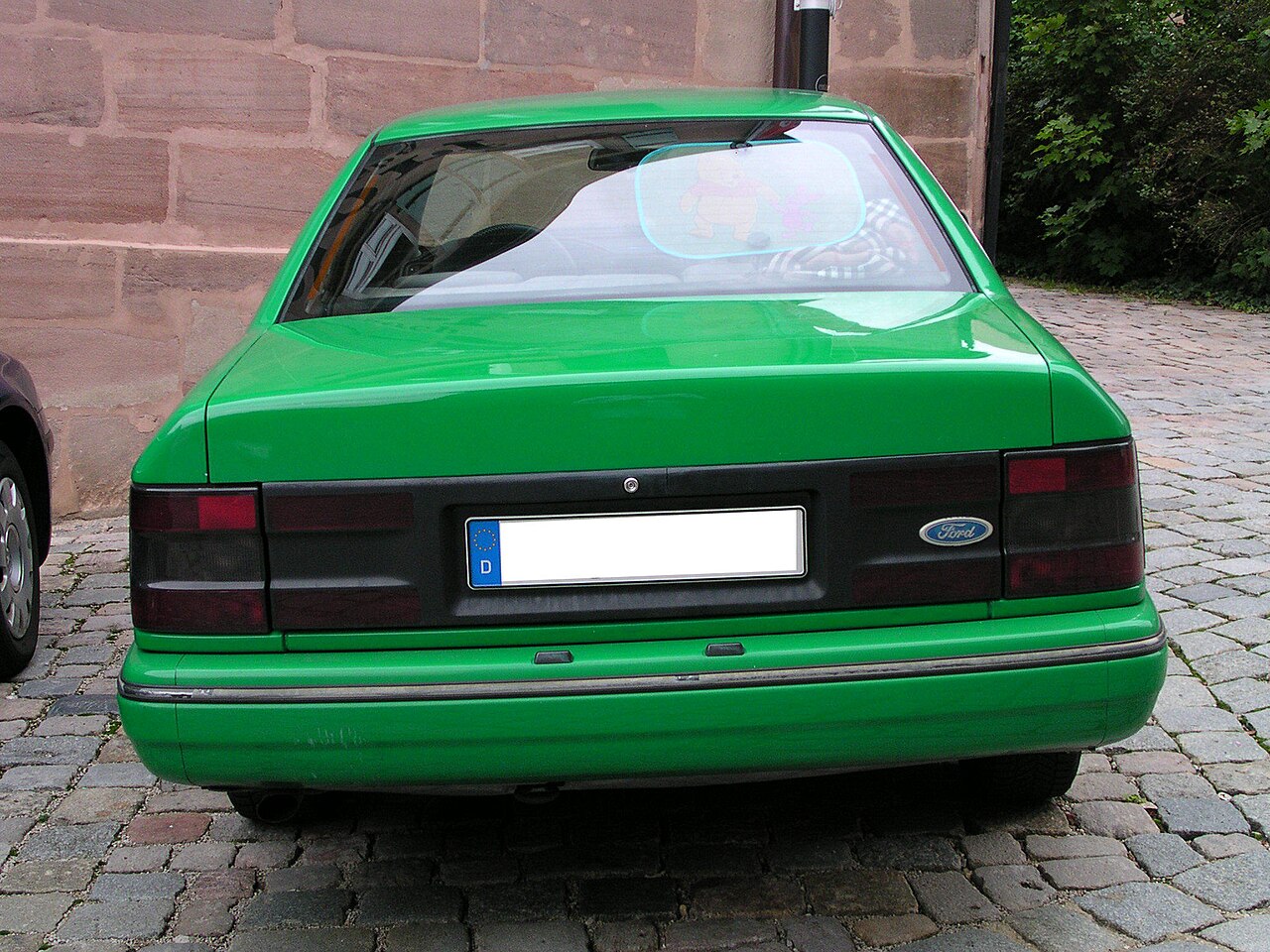
1992 Ford Scorpio, a former police car
1992 Ford Scorpio (a former police car). Photo by Norbert Schnitzler, CC BY-SA 3.0, via Wikimedia Commons.

How a Ford Scorpio VIN is put together

The 17 characters split into three blocks, and because the layout follows a global standard, the same position always carries the same kind of information. The first three characters are the World Manufacturer Identifier, and most Scorpios begin with WF0, the code for Ford built passenger cars in Europe. Characters four through eight describe the car, including the body and, most usefully, the engine, which is where a four cylinder is set apart from a smooth Cologne V6 or the Cosworth tuned 24 valve unit. The ninth character is a check digit that validates the whole number. The last eight characters describe the individual car, with position ten the model year, position eleven the plant and the final six the sequential build number. The quick reference below covers the clues you will use most often when you read a Ford Scorpio VIN.

VIN clue What it means
WMI WF0 Ford Scorpio built by Ford in Europe
Position 8 Engine code, for example a four cylinder, a V6 or the 24v Cosworth
Position 9 Check digit that validates the whole VIN
Position 10 Model year code, for example L is 1990 and V is 1997
Position 11 Assembly plant code

You will find the number behind the windscreen, on the plate in the door area and on the registration documents, and matching them is the first check worth doing.

Ford Scorpio VIN position by position

The Scorpio was Ford’s large European executive car, and it uses the seventeen character VIN. Read it in order and you can settle the year and the engine before you trust the advert.

Position Name What it tells you on a Scorpio
1 to 3 World Manufacturer Identifier WF0 marks a Ford built in Europe, the origin of the Scorpio
4 to 8 Vehicle descriptor Body style, trim and engine, where a four cylinder is separated from the V6 and the Cosworth
9 Check digit A calculated character that validates the rest of the VIN
10 Model year A single character, listed in the chart below
11 Assembly plant The European Ford factory that built the car
12 to 17 Serial number The build sequence unique to that Scorpio

Ford Scorpio model year codes (position 10)

The tenth character gives the model year. Match your letter or number below.

Model year Code in position 10
Ford Scorpio 1985 F
Ford Scorpio 1986 G
Ford Scorpio 1987 H
Ford Scorpio 1988 J
Ford Scorpio 1989 K
Ford Scorpio 1990 L
Ford Scorpio 1991 M
Ford Scorpio 1992 N
Ford Scorpio 1993 P
Ford Scorpio 1994 R
Ford Scorpio 1995 S
Ford Scorpio 1996 T
Ford Scorpio 1997 V
Ford Scorpio 1998 W

Where to find the VIN on a Ford Scorpio

On the Scorpio the VIN is stamped on the body and shown on a plate in the engine bay, and it also reads through the base of the windscreen. On a survivor of this age, check the number against the plate and the paperwork, since so few honest cars are left.

Reading a Scorpio VIN in practice

Take a car whose VIN opens with WF0 and shows M in position ten. That places it as a European built Ford from the 1991 model year. The descriptor section then shows the body and whether it is a four cylinder or a V6, and the closing six digits are the car’s own serial number.

A short history, generation by generation

The Scorpio arrived in 1985 as a tall hatchback that was an early adopter of anti lock brakes as standard, and in the United Kingdom it was sold as the Granada until 1994. A saloon and estate joined the range, and the smooth Cologne V6 engines suited its executive role. The second generation of 1994 brought a distinctive and controversial new face along with the 24 valve Cosworth tuned V6, and the car was discontinued in 1998 without a direct replacement. The table below sums up both generations.

Generation Years Body styles Key engines
Ford Scorpio first generation 1985 to 1994 Hatchback, saloon, estate 2.0 to 2.9 V6, 2.5 diesel
Ford Scorpio second generation 1994 to 1998 Saloon, estate 2.0 to 2.9 V6, 24v Cosworth, 2.5 TD

Ford Scorpio engines and specifications

Because the engine code sits in the middle of the VIN, a proper check confirms the engine the car was born with. The figures below cover the main configurations, with power as a range because output changed across the years.

Configuration Years Power Layout
Ford Scorpio 2.0 DOHC 1985 to 1998 about 115 to 136 hp Inline-4 petrol
Ford Scorpio 2.3 1996 to 1998 about 145 hp Inline-4 petrol
Ford Scorpio 2.8 and 2.9 V6 1985 to 1998 about 150 to 207 hp Cologne V6 petrol
Ford Scorpio 2.9 24v Cosworth V6 1991 to 1998 about 195 to 207 hp Cosworth tuned V6
Ford Scorpio 2.5 TD 1993 to 1998 about 115 hp Turbocharged diesel

Ford Scorpio by model year

Buyers searching for a specific year want to know what they are getting, so the table below maps several model years to their VIN year code, generation and engine options. The same model year letter logic runs across the whole production run.

Model year VIN year code Generation Engine options
Ford Scorpio 1986 G First generation 2.0, 2.8 V6
Ford Scorpio 1990 L First generation 2.0, 2.9 V6, 24v
Ford Scorpio 1993 P First generation 2.0, 2.9 V6, 2.5 TD
Ford Scorpio 1995 S Second generation 2.0, 2.9 V6, 24v
Ford Scorpio 1997 V Second generation 2.0, 2.3, 2.9 V6
Ford Scorpio 1998 W Second generation 2.0, 2.3, 2.9 V6

Reliability and the things worth checking

The Scorpio is generally robust, but every survivor is old now, so condition matters far more than reputation. Always run the VIN through the relevant recall and history check, and look closely at the points below.

Engine or area What to check
Ford Scorpio 2.0 DOHC Reliable, confirm cambelt history and cooling system condition
Ford Scorpio V6 Smooth Cologne V6, confirm history and watch the cooling system
Ford Scorpio 2.5 TD Sturdy diesel, check for the usual high mileage diesel wear
Ford Scorpio body Corrosion and worn suspension are the main issues on survivors

Buying a used Ford Scorpio

When you find one worth pursuing, decode the VIN first and make sure the model year, engine and body line up with the advertisement, then run the same number through the relevant recall check. Confirm the engine matches the badge, since the V6 and 24 valve cars are the ones to have, and on any Scorpio spend your time checking for corrosion and the condition of the interior, which is hard to put right on a car of this value. When you are ready, enter your Ford Scorpio VIN in the decoder above to confirm the year, engine, body and plant, then use the advice here to make sure the car is genuinely what it claims to be.

Ford S-MAX VIN Decoder: Generations, Engines and VIN Lookup Guide

Every Ford S-MAX carries a 17 character Vehicle Identification Number, and reading it is the quickest way to confirm what a particular car really is before you trust a listing. The S-MAX was Ford of Europe’s sporty large people carrier from 2006 to 2023, a seven seat MPV that drove far better than its practical shape suggested. The VIN settles the model year, the engine the car left the line with, the body style and the plant that built it. You can run any S-MAX VIN through the decoder at the top of this page and read the result in a few seconds. The rest of this guide explains how the number is built, walks through both generations, and points out what to check when you look one over.

Second generation Ford S-Max Titanium, front view
Ford S-Max Titanium, second generation. Photo by M 93, CC BY-SA 3.0 de, via Wikimedia Commons.

How a Ford S-MAX VIN is put together

The 17 characters split into three blocks, and because the layout follows a global standard, the same position always carries the same kind of information. The first three characters are the World Manufacturer Identifier, and most S-MAX models begin with WF0, the code for Ford built passenger cars in Europe. Characters four through eight describe the car, including the body and, most usefully, the engine, which is where an EcoBoost petrol is set apart from a TDCi or EcoBlue diesel or the later hybrid. The ninth character is a check digit that validates the whole number. The last eight characters describe the individual car, with position ten the model year, position eleven the plant and the final six the sequential build number. The quick reference below covers the clues you will use most often when you read a Ford S-MAX VIN.

VIN clue What it means
WMI WF0 Ford S-MAX built by Ford in Europe
Position 8 Engine code, for example an EcoBoost petrol, a diesel or a hybrid unit
Position 9 Check digit that validates the whole VIN
Position 10 Model year code, for example C is 2012 and G is 2016
Position 11 Assembly plant code, such as Valencia or Genk

You will find the number behind the windscreen, on the plate in the door jamb and on the registration documents, and matching them is the first check worth doing.

Ford S-MAX VIN position by position

The S-MAX is a large European people mover, and it uses the standard seventeen character VIN. Read it in order and you can fix the year, the origin and the engine before you trust the advert.

Position Name What it tells you on an S-MAX
1 to 3 World Manufacturer Identifier WF0 marks a Ford built in Europe, the origin of the S-MAX
4 to 8 Vehicle descriptor Body, trim and engine, where a petrol is separated from the common diesel
9 Check digit A calculated character that validates the rest of the VIN
10 Model year A single character, listed in the chart below
11 Assembly plant The European Ford factory that built the car
12 to 17 Serial number The build sequence unique to that S-MAX

Ford S-MAX model year codes (position 10)

The tenth character gives the model year. Match your letter or number below.

Model year Code in position 10
Ford S-MAX 2006 6
Ford S-MAX 2007 7
Ford S-MAX 2008 8
Ford S-MAX 2009 9
Ford S-MAX 2010 A
Ford S-MAX 2011 B
Ford S-MAX 2012 C
Ford S-MAX 2013 D
Ford S-MAX 2014 E
Ford S-MAX 2015 F
Ford S-MAX 2016 G
Ford S-MAX 2017 H
Ford S-MAX 2018 J
Ford S-MAX 2019 K
Ford S-MAX 2020 L
Ford S-MAX 2021 M
Ford S-MAX 2022 N
Ford S-MAX 2023 P

Where to find the VIN on a Ford S-MAX

Read the VIN through the base of the windscreen on the driver side and check it against the plate or label in the door area. On a large family MPV that has usually done high miles, a quick VIN read is the simplest way to confirm the advert matches the car in front of you.

Reading an S-MAX VIN in practice

Take a car whose VIN opens with WF0 and shows E in position ten. That places it as a European built Ford from the 2014 model year. The descriptor characters then show the engine and trim, and the closing six digits are the car’s own serial number.

A short history, generation by generation

The first S-MAX arrived in 2006 and won praise for combining seven seat practicality with the kind of handling normally reserved for a hatchback, which made it stand out in a class full of dull boxes. The second generation of 2015 modernised the car with smaller turbocharged engines, more technology and eventually a petrol electric hybrid, and it ran until the people carrier market faded and production ended in 2023. The table below sums up both generations.

Generation Years Body styles Key engines
Ford S-MAX first generation 2006 to 2014 5-door MPV 2.0 to 2.5 petrol, 1.8 to 2.2 TDCi
Ford S-MAX second generation 2015 to 2023 5-door MPV 1.5 to 2.0 EcoBoost, 2.0 TDCi, hybrid

Ford S-MAX engines and specifications

Because the engine code sits in the middle of the VIN, a proper check confirms the engine the car was born with. The figures below cover the main configurations, with power as a range because output changed across model years.

Configuration Years Power Layout
Ford S-MAX 2.0 EcoBoost 2010 to 2023 about 200 to 240 hp Turbocharged inline-4 petrol
Ford S-MAX 2.5 petrol 2006 to 2014 about 220 hp Turbocharged inline-5 petrol
Ford S-MAX 2.0 TDCi 2006 to 2018 about 115 to 180 hp Turbocharged diesel
Ford S-MAX 2.0 EcoBlue 2018 to 2023 about 120 to 190 hp Turbocharged diesel
Ford S-MAX 2.5 Duratec hybrid 2021 to 2023 about 190 hp combined Petrol electric

Ford S-MAX by model year

Buyers searching for a specific year want to know what they are getting, so the table below maps several model years to their VIN year code, generation and engine options. The same model year letter logic runs across the whole production run.

Model year VIN year code Generation Engine options
Ford S-MAX 2008 8 First generation 2.0 and 2.5 petrol, 1.8 and 2.0 TDCi
Ford S-MAX 2012 C First generation 2.0 EcoBoost, 2.0 and 2.2 TDCi
Ford S-MAX 2016 G Second generation 1.5 and 2.0 EcoBoost, 2.0 TDCi
Ford S-MAX 2019 K Second generation 2.0 EcoBoost, 2.0 EcoBlue
Ford S-MAX 2021 M Second generation 2.0 EcoBoost, EcoBlue, hybrid
Ford S-MAX 2023 P Second generation 2.0 EcoBoost, hybrid

Reliability and the things worth checking

Reliability depends on the engine and on maintenance, and you should always run the VIN through the relevant recall check. The most common points to check are summarized below.

Engine or area What to check
Ford S-MAX EcoBoost petrol Generally good, keep on top of cooling and regular oil changes
Ford S-MAX diesel Strong, but check the diesel particulate filter, turbo and injectors on high mileage cars
Ford S-MAX automatic The Powershift automatic on some years needs careful checking for smooth operation
Ford S-MAX body and suspension As a heavy family car it works the suspension hard, so check bushes, tyres and the tailgate

Buying a used Ford S-MAX

When you find one worth pursuing, decode the VIN first and make sure the model year, engine and trim line up with the advertisement, then run the same number through the relevant recall check. On the diesels confirm a full service history because the turbo and emissions parts are costly, and on cars with the automatic gearbox make sure the shifts are clean. When you are ready, enter your Ford S-MAX VIN in the decoder above to confirm the year, engine, body and plant, then use the advice here to make sure the car is genuinely what it claims to be.
Ford Ranger (North America) VIN Decoder: Generations, Engines and VIN Lookup Guide

Every North American Ford Ranger carries a 17 character Vehicle Identification Number, and reading it is the quickest way to confirm what a particular truck really is before you trust a listing. The Ranger has been Ford’s compact and midsize pickup in the United States since 1983, sold across several generations with a gap before its 2019 return, and offered with four cylinder and V6 power and a range of cab and bed combinations. The VIN settles the model year, the engine the truck left the line with, the cab style and the plant that built it. You can run any Ranger VIN through the decoder at the top of this page and read the result in a few seconds. The rest of this guide explains how the number is built, walks through every generation, and points out what to check when you look one over.

2019 Ford Ranger XLT pickup, right front view
2019 Ford Ranger XLT. Photo by F. D. Richards from Clinton, MI, CC BY-SA 2.0, via Wikimedia Commons.

How a Ford Ranger VIN is put together

The 17 characters split into three blocks, and because the layout follows a global standard, the same position always carries the same kind of information. The first three characters are the World Manufacturer Identifier, and most North American Rangers begin with 1FT, the code Ford uses for its trucks built in the United States. Characters four through eight describe the truck, including the cab and body, the restraint system and, most usefully, the engine, which is where a four cylinder is set apart from the 3.0 or 4.0 V6 or a modern EcoBoost. The ninth character is a check digit that validates the whole number. The last eight characters describe the individual truck, with position ten the model year, position eleven the plant and the final six the sequential build number. The quick reference below covers the clues you will use most often when you read a Ford Ranger VIN.

VIN clue What it means
WMI 1FT Ford Ranger truck built by Ford in the United States
Position 8 Engine code, for example a 3.0 Vulcan, a 4.0 Cologne or a 2.3 EcoBoost
Position 9 Check digit that validates the whole VIN
Position 10 Model year code, for example Y is 2000 and N is 2022
Position 11 Assembly plant code

You will find the number at the base of the windshield, on the certification label in the door jamb and on the title, and matching them is the first check worth doing.

Ford Ranger VIN position by position

The North American Ranger uses the seventeen character VIN, and reading it in order pins down the year, the cab and the engine. The compact Ranger sold from 1983 to 2011 was built at United States plants such as Louisville and Twin Cities, and the current truck that returned in 2019 is built in Michigan.

Position Name What it tells you on a Ranger
1 to 3 World Manufacturer Identifier 1FT for a Ranger built by Ford in the United States
4 to 7 Vehicle descriptor The cab, the series and the drive type, where a two wheel drive is separated from a four wheel drive
8 Engine The engine code, read with the year, since the compact truck used four cylinder and V6 engines and the new truck uses a turbo four
9 Check digit A calculated character that validates the rest of the VIN
10 Model year A single character, listed in the chart below
11 Assembly plant The Ford factory that built the truck
12 to 17 Serial number The build sequence unique to that truck

Ford Ranger model year codes (position 10)

The tenth character gives the model year. The chart covers the common used compact Rangers and the current truck, with the gap where the Ranger was not sold in the United States.

Model year Code in position 10
Ford Ranger 1998 W
Ford Ranger 1999 X
Ford Ranger 2000 Y
Ford Ranger 2001 1
Ford Ranger 2002 2
Ford Ranger 2003 3
Ford Ranger 2004 4
Ford Ranger 2005 5
Ford Ranger 2006 6
Ford Ranger 2007 7
Ford Ranger 2008 8
Ford Ranger 2009 9
Ford Ranger 2010 A
Ford Ranger 2011 B
Ford Ranger 2019 K
Ford Ranger 2020 L
Ford Ranger 2021 M
Ford Ranger 2022 N
Ford Ranger 2023 P
Ford Ranger 2024 R

Where to find the VIN on a Ford Ranger

Read the VIN through the base of the windshield on the driver side and check it against the label in the driver door jamb, which also carries the weight ratings. The compact Ranger was a popular first truck and work truck, so on a cheap example make sure the number is intact and matches the paperwork before you buy.

Reading a Ranger VIN in practice

Take a truck whose VIN starts with 1FT and shows 5 in position ten. That marks it as a United States built Ford truck from the 2005 model year. The descriptor characters then tell you the cab and drive type, position eight identifies the engine, and the final digits are the truck’s own serial number.

A short history, generation by generation

The Ranger replaced the imported Courier in 1983 as Ford’s home built compact pickup and quickly became a best seller. The 1993 redesign and the longer running 1998 to 2012 generation kept it near the top of the class, with the 4.0 V6 as the engine of choice for buyers who wanted to tow. After Ford paused the North American Ranger in 2011 it returned for 2019 as a global midsize truck with a turbocharged four cylinder, and the latest generation from 2024 added a V6 and a Raptor. The table below sums up the generations.

Generation Years Body Key engines
Ford Ranger first generation 1983 to 1992 Compact pickup 2.0 to 2.9, 4.0 V6
Ford Ranger second generation 1993 to 1997 Compact pickup 2.3 I4, 3.0 and 4.0 V6
Ford Ranger third generation 1998 to 2012 Compact pickup 2.3 I4, 3.0 and 4.0 V6
Ford Ranger fourth generation 2019 to 2023 Midsize pickup 2.3 EcoBoost
Ford Ranger fifth generation 2024 to present Midsize pickup 2.3 and 2.7 EcoBoost, Raptor

Ford Ranger engines and specifications

Because the engine code sits in the middle of the VIN, a proper check confirms the engine the truck was born with. The figures below cover the main configurations, with power as a range because output changed across model years.

Configuration Years Power Layout
Ford Ranger 2.3 and 2.5 I4 1983 to 2001 about 90 to 119 hp Inline-4 petrol
Ford Ranger 3.0 Vulcan V6 1991 to 2008 about 140 to 150 hp Naturally aspirated V6
Ford Ranger 4.0 Cologne V6 1990 to 2011 about 160 to 207 hp Naturally aspirated V6
Ford Ranger 2.3 EcoBoost 2019 to present about 270 hp Turbocharged inline-4 petrol
Ford Ranger 2.7 EcoBoost V6 2024 to present about 315 hp Twin-turbocharged V6 petrol
Ford Ranger Raptor 3.0 EcoBoost V6 2024 to present about 405 hp Twin-turbocharged V6 petrol

Ford Ranger by model year

Buyers searching for a specific year want to know what they are getting, so the table below maps several model years to their VIN year code, generation and engine options. The same model year letter logic runs across the production run.

Model year VIN year code Generation Engine options
Ford Ranger 1995 S Second generation 2.3 I4, 3.0 and 4.0 V6
Ford Ranger 2000 Y Third generation 2.5 I4, 3.0 and 4.0 V6
Ford Ranger 2008 8 Third generation 2.3 I4, 3.0 and 4.0 V6
Ford Ranger 2019 K Fourth generation 2.3 EcoBoost
Ford Ranger 2022 N Fourth generation 2.3 EcoBoost
Ford Ranger 2024 R Fifth generation 2.3 and 2.7 EcoBoost, Raptor

Reliability and the things worth checking

The Ranger has a strong reputation for durability, but the older trucks are now decades old and the newer ones work hard, so always run the VIN through the NHTSA recall database. The most common points to check are summarized below.

Engine or area What to check
Ford Ranger 4.0 SOHC V6 Listen for timing chain and guide rattle on the later 4.0, and confirm service history
Ford Ranger 3.0 Vulcan V6 Durable and simple, watch for age related cooling and gasket wear
Ford Ranger 2.3 EcoBoost Keep on top of cooling and oil, and check for hard towing use
Ford Ranger frame and bed Check the frame, bed and suspension for corrosion and working damage

Ford Ranger recalls

Below are notable safety recalls recorded for the North American Ford Ranger by the American road safety regulator, the NHTSA, with a focus on the current generation from 2019 on. This is a reference list, not a check of your individual truck. A recall applies only to certain build dates and VIN ranges, so a model year here does not mean every truck of that year is affected.

Model years NHTSA number Area Problem and risk
2004 to 2011 Takata (multiple) Airbag inflator Older Rangers are part of the industry wide Takata airbag recalls. A faulty inflator can rupture and throw metal fragments in a crash. Some of these carry a do not drive warning, so check the VIN if you own an older Ranger.
2020 20V197 10-speed transmission The shift cable lock clip may not be fully seated, so the truck can be in a different gear than shown and move unexpectedly. Clip inspected and corrected.
2019 to 2021 21V811 Front seat belt The front passenger seat belt may be misrouted and may not restrain properly in a crash. Belts inspected and replaced as needed.
2020 to 2021 21V765 Child seat anchors Fixed rear head restraints can block proper child seat install and the lower anchors. Anchors adjusted and removable head restraints fitted.
2019 to 2024 25V685 Engine block heater The engine block heater can crack, leak coolant and short out when plugged in, a fire risk. Heater replaced. Owners are told not to plug it in until fixed.
2020 20V575 Rear camera A poor electrical connection can leave the rearview camera image blank or distorted. Camera replaced.
2019 to 2023 25V442 Rear camera A software error can blank the rearview image or leave it on the screen after reversing. Camera software updated.

Recall data is published by the NHTSA and changes over time, so treat this as background rather than a substitute for the official record for your VIN.

Check a specific VIN for open recalls: use the official NHTSA recalls lookup or the Ford recall page. Both are free and show whether the work has already been done.

Buying a used Ford Ranger

When you find one worth pursuing, decode the VIN first and make sure the model year, engine and cab style line up with the advertisement, then run the same number through the NHTSA recall search. On older trucks inspect the frame and bed for rust and hard use, and on the modern turbocharged trucks confirm a clean service history and any outstanding recall work. When you are ready, enter your Ford Ranger VIN in the decoder above to confirm the year, engine, cab style and plant, then use the advice here to make sure the truck is genuinely what it claims to be.

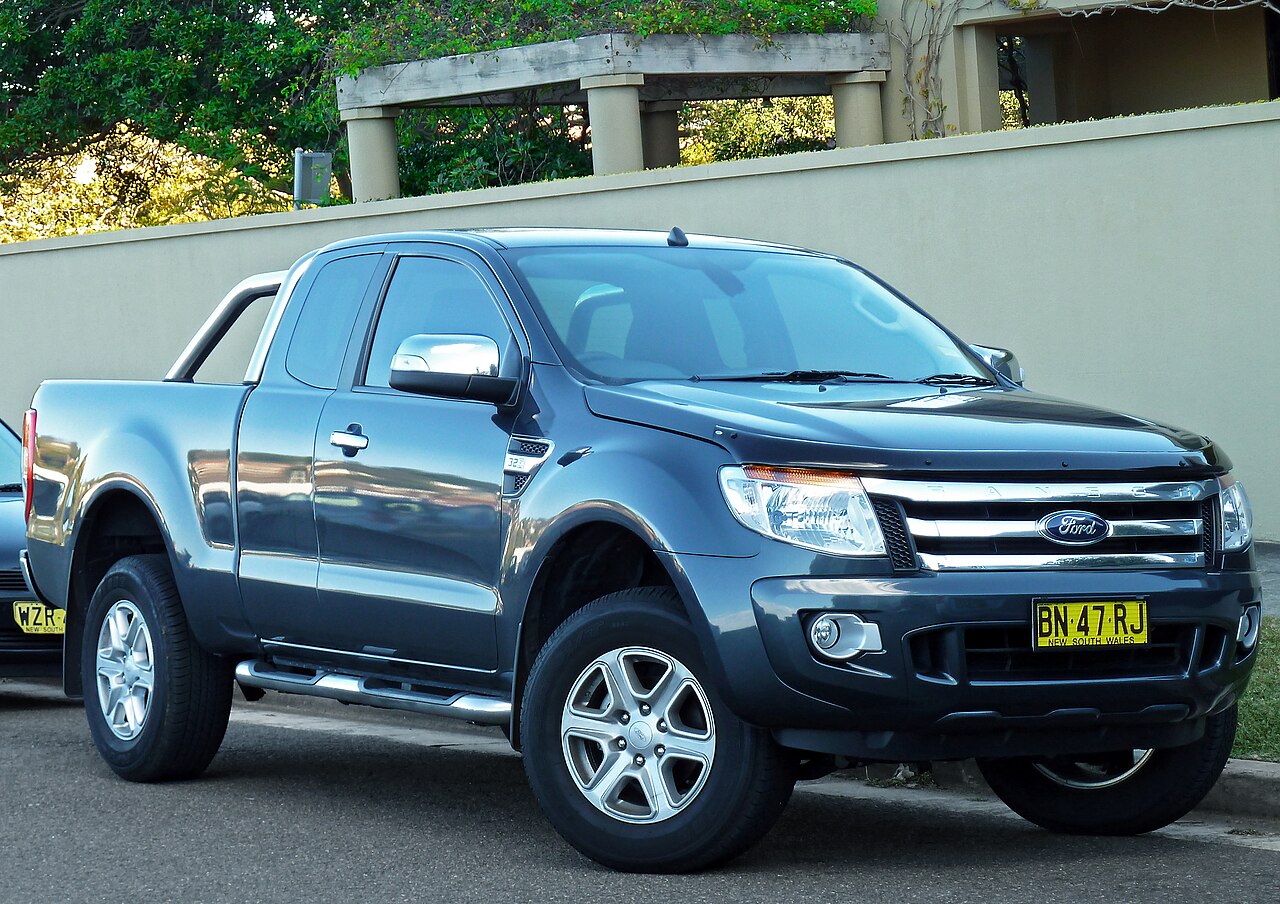
Ford Ranger VIN Decoder: Generations, Engines and VIN Lookup Guide

Every modern Ford Ranger carries a 17-character Vehicle Identification Number, and decoding it is the quickest way to confirm what a given pickup really is before you trust a listing. The VIN reveals the model year, the plant it came from, the engine fitted at the factory, the cab style and the safety equipment. On the Ranger this matters most for confirming the engine, telling a diesel from a petrol turbo, checking whether a truck is a genuine Raptor, and verifying the year a seller claims. Run any Ranger VIN through the decoder above to read it in seconds. The guide below explains how the number is built, walks through the generations, and points out what to check on each.

2011 Ford Ranger PX XLT super cab utility
2011 Ford Ranger (PX) XLT. Photo by OSX, Public domain, via Wikimedia Commons.

How a Ford Ranger VIN is put together

The 17 characters follow a global standard, so each position carries fixed meaning. The first three are the World Manufacturer Identifier. North American Rangers built in Michigan begin with 1FT, marking a Ford truck made in the United States, while Rangers built for other markets in Thailand, South Africa or Argentina carry different identifiers. Characters four through eight describe the cab, the restraint system and the engine, which is where a 2.3 EcoBoost is separated from a diesel or a Raptor. The ninth character is a check digit, the tenth is the model year, the eleventh is the plant, and the final six are the unique build sequence.

VIN clue What it means
WMI 1FT Ford Ranger built as a Ford truck in the United States
Position 9 Check digit that validates the whole VIN
Position 10 Model year code (for example M is 2021, R is 2024)
Positions 4 to 8 Cab style, restraint system and engine family
Positions 12 to 17 Unique sequential build number

You will find the VIN at the base of the windshield on the driver’s side, on the door jamb label, and in the registration paperwork.

Ford Ranger VIN position by position

The Ranger uses the seventeen character VIN, and reading it in order pins down the year, the series and the engine. One thing to watch is that the Ranger has been built in several countries, so the first three characters tell you where a given truck was made.

Position Name What it tells you on a Ranger
1 to 3 World Manufacturer Identifier 1FT for a Ranger built by Ford in the United States, while trucks built elsewhere for other markets carry a different country code
4 to 7 Vehicle descriptor The cab, series and drive type, where a two wheel drive is separated from a four wheel drive
8 Engine The engine code, read with the year, since the range ran from a four cylinder to a V6 and later a turbo four
9 Check digit A calculated character that validates the rest of the VIN
10 Model year A single character, listed in the chart below
11 Assembly plant The Ford factory that built the truck
12 to 17 Serial number The build sequence unique to that truck

Ford Ranger model year codes (position 10)

The tenth character gives the model year. The chart below covers the years the Ranger was sold in the United States, which paused after 2011 and returned in 2019.

Model year Code in position 10
Ford Ranger 2001 1
Ford Ranger 2002 2
Ford Ranger 2003 3
Ford Ranger 2004 4
Ford Ranger 2005 5
Ford Ranger 2006 6
Ford Ranger 2007 7
Ford Ranger 2008 8
Ford Ranger 2009 9
Ford Ranger 2010 A
Ford Ranger 2011 B
Ford Ranger 2019 K
Ford Ranger 2020 L
Ford Ranger 2021 M
Ford Ranger 2022 N
Ford Ranger 2023 P
Ford Ranger 2024 R
Ford Ranger 2025 S

Where to find the VIN on a Ford Ranger

Read the VIN through the base of the windshield on the driver side and check it against the label in the driver door jamb, which also carries the weight ratings. On a used truck that has clearly worked for a living, make sure the number is intact and matches the paperwork before you commit.

Reading a Ranger VIN in practice

Take a truck whose VIN starts with 1FT and shows N in position ten. That marks it as a United States built Ford truck from the 2022 model year. The descriptor characters then tell you the cab and drive type, position eight identifies the engine, and the final digits are the truck’s own serial number.

Generations of the Ford Ranger

The Ranger has two distinct stories. In North America it was a compact pickup from 1983 to 2011, then returned for 2019 as a midsize truck based on the global Ranger. Globally the T6 Ranger launched in 2011 and was redesigned for the latest generation, which underpins the current trucks sold worldwide, including the high-performance Raptor.

Generation Years Key engines VIN type
Ford Ranger North America (compact) 1983 to 2011 2.3 to 4.0 petrol 17-character
Ford Ranger T6 global 2011 to 2022 2.2 and 3.2 diesel, 2.5 petrol 17-character
Ford Ranger current generation 2019 to present 2.3 EcoBoost, 2.0 diesel, 3.0 V6 1FT and global plants

Ford Ranger engines and specifications

Because the engine code sits in the middle of the VIN, a check confirms the engine the truck was built with, which is exactly what you want when a listing is vague about petrol versus diesel.

Configuration Years Power Fuel
Ford Ranger 2.3 EcoBoost 2019 to present about 270 hp Petrol turbo
Ford Ranger 2.0 bi-turbo diesel 2019 to present about 205 to 210 hp Diesel
Ford Ranger 3.0 V6 diesel 2023 to present about 240 hp Diesel
Ford Ranger Raptor 3.0 EcoBoost V6 2022 to present about 390 to 405 hp Petrol twin-turbo
Ford Ranger 4.0 V6 (older NA) 1998 to 2011 about 207 hp Petrol

Ford Ranger by model year

For recent trucks the standard VIN year letters apply, so position ten confirms the year a seller claims.

Model year VIN year code Notable engines
Ford Ranger 2020 L 2.3 EcoBoost (North America)
Ford Ranger 2021 M 2.3 EcoBoost, 2.0 diesel
Ford Ranger 2022 N 2.3 EcoBoost, 2.0 diesel, Raptor
Ford Ranger 2023 P 2.3 EcoBoost, 2.0 and 3.0 diesel, Raptor
Ford Ranger 2024 R 2.3 EcoBoost, 3.0 V6, Raptor

Reliability and the things worth checking

Reliability is generally good, but confirm a specific truck against the relevant recall database by its VIN.

Area What to check
Ford Ranger 2.0 bi-turbo diesel Confirm service history and check for any turbo or emissions concerns
Ford Ranger 10-speed automatic Test for smooth shifts on a road test
Ford Ranger off-road and tow use Inspect underbody, suspension and clutch on hard-worked trucks
Ford Ranger general Verify open recalls by VIN and confirm a clean accident record

Because the Ranger is bought for work and off-road, a VIN history check combined with a careful inspection counts for a lot here.

Buying a used Ford Ranger

Decode the VIN first and confirm the model year, engine and cab match the advertisement, then run that number through the relevant recall database. Decide whether you want petrol or diesel, confirm a Raptor is genuine through the VIN rather than the badges, and prioritise a documented service history on a truck that may have worked hard. When you are ready, enter your Ford Ranger VIN in the decoder above to confirm the year, engine and configuration before you buy.

Ford Ranchero VIN Decoder: History, Engines and VIN Lookup Guide

Every Ford Ranchero carries an identification number, and reading it is the quickest way to confirm what a particular vehicle really is before you trust a seller’s description. The Ranchero was Ford’s coupe utility from 1957 to 1979, a car based pickup that mixed passenger car comfort with a load bed, and over its life it shared its underpinnings with the Fairlane, the Falcon, the Torino and the LTD II. Because the Ranchero was built before the modern 17 character VIN became standard, it uses a shorter Ford number, and reading it confirms the year, the assembly plant and the engine. You can run a Ranchero number through the decoder at the top of this page, and the guide below explains the classic format, walks through the generations, and points out what matters most when you check one.

Ford Ranchero coupe utility
Ford Ranchero. Photo by dave_7, CC BY 2.0, via Wikimedia Commons.

How a Ford Ranchero VIN is put together

The Ranchero predates the 17 character VIN that Ford adopted in 1981, so it carries a shorter identification number found on the data plate in the door area and stamped on the body. Although the layout differs from a modern VIN, each position still carries a specific piece of information. In this classic format the first character is the model year, the second is the assembly plant, the next characters are the body and series code, and a further character is the engine code, with the remaining digits forming the sequential build number. The engine code matters most, because a V8 Ranchero is worth more than a six. The quick reference below covers the clues you will use most often when you read a Ford Ranchero number.

VIN clue What it means
First character Model year, for example 6 is 1966 and 7 is 1977
Second character Assembly plant letter
Series and body code The Ranchero model line and trim
Engine code For example a 302, a 351 or a 429 V8
Remaining characters Sequential build number unique to the vehicle

On a vehicle this old, matching the number on the data plate with the title and any other stampings is the first check worth doing.

How a Ford Ranchero is identified

The Ranchero, Ford’s car based pickup, is older than the seventeen character VIN, so it does not have one. Instead it is identified by an older Ford number, a shorter code stamped on the car and set out in full on the door data plate. On these cars the first character is the model year, and the characters that follow record the assembly plant, the body style and the engine. Because there was no single national standard yet, the exact code letters change from year to year, which is why the door plate matters so much on any car of this age.

What the old Ford number tells you

Read together, the stamped number and the data plate spell out the year, the plant, the body and the engine that left the factory. On the Ranchero the engine is the detail that changes the value most, since a genuine big block or GT car is worth far more than a plain six or small V8. Restorers translate each field against a year specific Ford chart rather than reading it straight through like a modern VIN.

Where to find the number on a Ford Ranchero

Look for the data plate on the door or the door pillar, and for the stamped number on the body. On a car this old the paperwork, the plate and the stamped numbers all need to tell the same story. A missing or altered plate makes a car much harder to value, so check carefully before you commit.

A short history, generation by generation

The Ranchero arrived in 1957 on the full-size Ford platform, then moved onto the compact Falcon in 1960, which made it smaller and lighter. From 1966 it grew again on the Fairlane and Torino platforms, where the muscle car era gave it big-block V8s, and the final 1977 to 1979 cars were based on the LTD II. The table below sums up the generations.

Generation Years Platform Key engines
Ford Ranchero early 1957 to 1959 Full-size Ford Six and V8
Ford Ranchero compact 1960 to 1965 Falcon Six, 260 and 289 V8
Ford Ranchero intermediate 1966 to 1976 Fairlane and Torino 289 to 460 V8
Ford Ranchero LTD II 1977 to 1979 LTD II 302 to 400 V8

Ford Ranchero engines and specifications

Because the engine code is part of the identification number, a proper check confirms the engine the vehicle was born with. The figures below cover the main engines, with power as a range because output changed across the years and the way it was measured changed too.

Configuration Years Power Layout
Ford Ranchero six 1957 to 1979 about 100 to 155 hp Inline-6
Ford Ranchero 289 and 302 V8 1963 to 1979 about 195 to 220 hp Small-block V8
Ford Ranchero 351 V8 1969 to 1979 about 250 to 300 hp Windsor or Cleveland V8
Ford Ranchero 390 and 428 FE V8 1966 to 1970 about 320 to 335 hp FE big-block V8
Ford Ranchero 429 and 460 V8 1970 to 1978 about 360 to 370 hp 385-series big-block V8

Ford Ranchero by model year

Buyers searching for a specific year want to know what they are getting, so the table below maps several model years to their year digit, platform and engine options. The year digit is the first character of the identification number.

Model year Year digit Platform Engine options
Ford Ranchero 1966 6 Fairlane 289 to 390 V8
Ford Ranchero 1970 0 Torino 302 to 429 V8
Ford Ranchero 1972 2 Torino 302 to 351 V8
Ford Ranchero 1977 7 LTD II 302 to 400 V8
Ford Ranchero 1979 9 LTD II 302 to 351 V8

Reliability and the things worth checking

These are simple, robust vehicles by modern standards, but every Ranchero is now a classic, so condition and originality matter far more than mechanical complexity. The most common points to check are summarized below.

Engine or area What to check
Ford Ranchero V8 Confirm the engine is what the number says, as big-block cars are more valuable
Ford Ranchero bed and tailgate Check the load bed and tailgate for rust and damage from working use
Ford Ranchero body and frame Rust in floors, bed and lower panels is the main enemy on survivors
Ford Ranchero originality Matching numbers and correct trim drive value, so verify against the data plate

Buying a used Ford Ranchero

When you find one worth pursuing, read the identification number first and make sure the year, plant and engine line up with the seller’s description and the title. Because these were often used for work, check the bed, tailgate and frame carefully for corrosion and repair, and confirm a V8 car really left the factory that way through the data plate. When you are ready, enter your Ford Ranchero number in the decoder above to confirm the year, plant and engine, then use the advice here to make sure the vehicle is genuinely what it claims to be.

Ford Puma ST VIN Decoder: Versions, Engines and VIN Lookup Guide

Every Ford Puma ST carries a 17 character Vehicle Identification Number, and reading it is the quickest way to confirm what a particular car really is before you trust a listing. The Puma ST is the performance version of Ford’s compact crossover, launched in 2020 with a punchy turbocharged engine and the sharp handling that the ST badge promises. The VIN settles the model year, the engine the car left the line with and the plant that built it, which matters when you want to be sure you are buying a genuine ST rather than a styled up standard car. You can run any Puma ST VIN through the decoder at the top of this page and read the result in a few seconds. The rest of this guide explains how the number is built, walks through the versions, and points out what to check when you look one over.

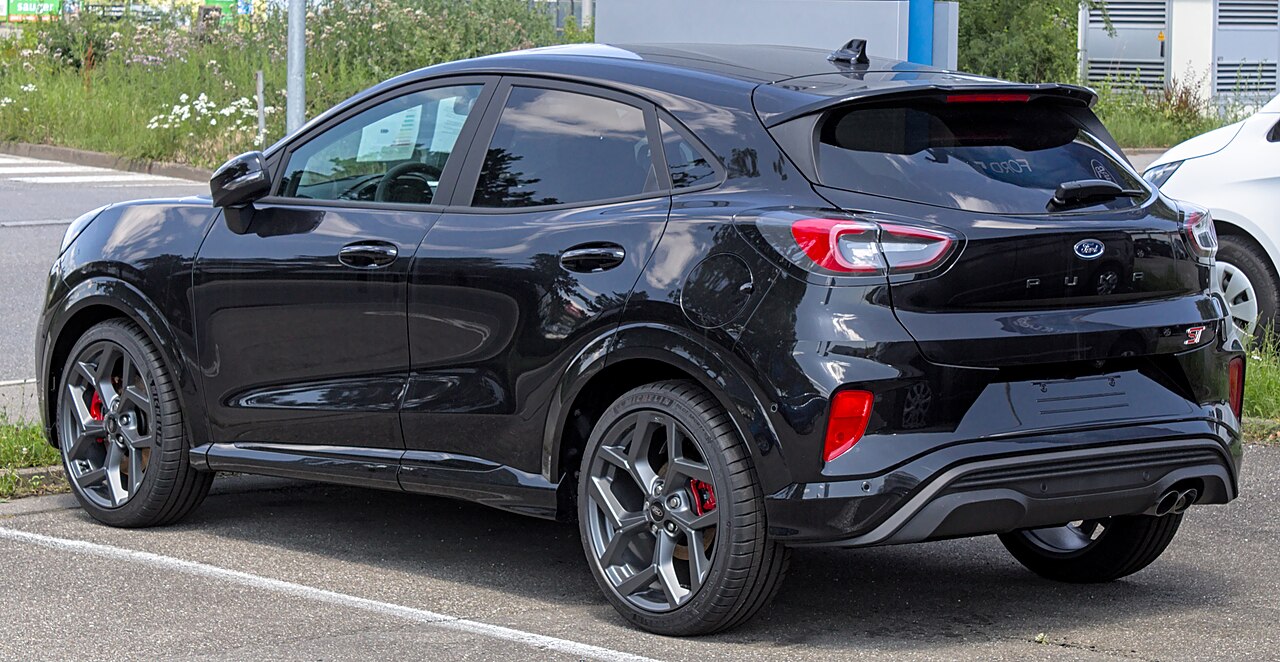
Ford Puma ST crossover
Ford Puma ST. Photo by Alexander Migl, CC BY-SA 4.0, via Wikimedia Commons.

How a Ford Puma ST VIN is put together

The 17 characters split into three blocks, and because the layout follows a global standard, the same position always carries the same kind of information. The first three characters are the World Manufacturer Identifier, and European Puma ST models typically begin with WF0, the code for Ford built passenger cars in Europe. Characters four through eight describe the car, including the body and, most usefully, the engine, which is where the 1.5 EcoBoost ST is set apart from the later 1.0 EcoBoost mild hybrid ST. The ninth character is a check digit that validates the whole number. The last eight characters describe the individual car, with position ten the model year, position eleven the plant and the final six the sequential build number. The quick reference below covers the clues you will use most often when you read a Ford Puma ST VIN.

VIN clue What it means
WMI WF0 Ford Puma ST built by Ford in Europe
Position 8 Engine code, for example the 1.5 EcoBoost or the 1.0 EcoBoost mild hybrid
Position 9 Check digit that validates the whole VIN
Position 10 Model year code, for example L is 2020 and N is 2022
Position 11 Assembly plant code, such as Craiova

You will find the number behind the windscreen, on the plate in the door jamb and on the registration documents, and matching them is the first check worth doing on a performance model.

Ford Puma ST VIN position by position

The Puma ST is the hot version of the Puma crossover, built in Europe, and it uses the seventeen character VIN. Read it in order and you can settle the year and confirm a genuine ST before you trust the advert.

Position Name What it tells you on a Puma ST
1 to 3 World Manufacturer Identifier WF0 marks a Ford built in Europe, the origin of the Puma
4 to 8 Vehicle descriptor Body, trim and the turbocharged engine that marks the ST out from a standard Puma
9 Check digit A calculated character that validates the rest of the VIN
10 Model year A single character, listed in the chart below
11 Assembly plant The European Ford factory that built the car
12 to 17 Serial number The build sequence unique to that Puma ST

Ford Puma ST model year codes (position 10)

The tenth character gives the model year. Match the letter below.

Model year Code in position 10
Ford Puma ST 2020 L
Ford Puma ST 2021 M
Ford Puma ST 2022 N
Ford Puma ST 2023 P
Ford Puma ST 2024 R
Ford Puma ST 2025 S

Where to find the VIN on a Ford Puma ST

Read the VIN through the base of the windscreen on the driver side and check it against the plate or label in the door area. Because the ST carries a premium over a standard Puma, confirm the VIN and the engine point to a factory ST rather than a dressed up base car.

Reading a Puma ST VIN in practice

Take a car whose VIN opens with WF0 and shows N in position ten. That places it as a European built Ford from the 2022 model year. The descriptor section confirms the ST engine, and the closing six digits are the car’s own serial number.

The Ford Puma ST versions

The Puma ST launched in 2020 with a 1.5 litre three cylinder EcoBoost engine producing around 200 horsepower, a mechanical limited slip differential on cars with the performance pack, and a chassis tuned to make the most of the crossover body. From 2022 Ford added a more affordable ST powered by a 1.0 litre EcoBoost mild hybrid with around 170 horsepower, which broadened the range. The table below sums up the versions.

Version Years Body Engine
Ford Puma ST 1.5 EcoBoost 2020 to 2023 5-door crossover 1.5 EcoBoost 200 hp
Ford Puma ST 1.0 EcoBoost mild hybrid 2022 to present 5-door crossover 1.0 EcoBoost mild hybrid

Ford Puma ST engines and specifications

Because the engine code sits in the middle of the VIN, a proper check confirms the engine the car was born with, which is exactly what you want on a performance model. The figures below cover the two ST engines.

Configuration Years Power Layout
Ford Puma ST 1.5 EcoBoost 2020 to 2023 about 200 hp Turbocharged 3-cylinder petrol
Ford Puma ST 1.0 EcoBoost mild hybrid 2022 to present about 170 hp Turbocharged 3-cylinder mild hybrid

Ford Puma ST by model year

Buyers searching for a specific year want to know what they are getting, so the table below maps several model years to their VIN year code and engine. The same model year letter logic runs across the whole production run.

Model year VIN year code Engine
Ford Puma ST 2020 L 1.5 EcoBoost 200 hp
Ford Puma ST 2021 M 1.5 EcoBoost 200 hp
Ford Puma ST 2022 N 1.5 EcoBoost, 1.0 EcoBoost mild hybrid
Ford Puma ST 2023 P 1.0 EcoBoost mild hybrid
Ford Puma ST 2024 R 1.0 EcoBoost mild hybrid

Reliability and the things worth checking

Reliability depends on maintenance and on how the car has been driven, and you should always run the VIN through the relevant recall check. The most common points to check are summarized below.

Engine or area What to check
Ford Puma ST 1.5 EcoBoost Strong engine, confirm the cambelt service plan and keep on top of cooling and oil
Ford Puma ST clutch and differential On hard driven cars check the clutch and, where fitted, the limited slip differential
Ford Puma ST tyres and brakes Performance use wears tyres and brakes, so factor that into the price
Ford Puma ST history Look for track use, accident history and that the car is a genuine ST

Buying a used Ford Puma ST

When you find one worth pursuing, decode the VIN first and make sure the model year and engine line up with the advertisement, then run the same number through the relevant recall check. Confirm through the VIN and documentation that the car is a real ST, check for signs of hard driving, and budget for tyres and brakes if they are worn. When you are ready, enter your Ford Puma ST VIN in the decoder above to confirm the year, engine and plant, then use the advice here to make sure the car is genuinely what it claims to be.

Ford Puma VIN Decoder: Generations, Engines and VIN Lookup Guide

Every Ford Puma carries a 17 character Vehicle Identification Number, and reading it is the quickest way to confirm what a particular car really is before you trust a listing. The Puma name has covered two very different cars: a small front wheel drive coupe sold from 1997 to 2002, and the compact crossover that has been one of Europe’s best sellers since 2019. The VIN settles which one you are looking at, along with the model year, the engine the car left the line with and the plant that built it. You can run any Puma VIN through the decoder at the top of this page and read the result in a few seconds. The rest of this guide explains how the number is built, walks through both eras of the car, and points out what to check when you look one over.

2020 Ford Puma Titanium crossover, front view
2020 Ford Puma Titanium (the second, crossover Puma). Photo by Vauxford, CC BY-SA 4.0, via Wikimedia Commons.

How a Ford Puma VIN is put together

The 17 characters split into three blocks, and because the layout follows a global standard, the same position always carries the same kind of information. The first three characters are the World Manufacturer Identifier, and European Puma models typically begin with WF0, the code for Ford built passenger cars in Europe. Characters four through eight describe the car, including the body and, most usefully, the engine, which is where a small Zetec coupe engine is set apart from a modern EcoBoost mild hybrid. The ninth character is a check digit that validates the whole number. The last eight characters describe the individual car, with position ten the model year, position eleven the plant and the final six the sequential build number. The quick reference below covers the clues you will use most often when you read a Ford Puma VIN.

VIN clue What it means
WMI WF0 Ford Puma built by Ford in Europe
Position 8 Engine code, for example a Zetec-SE or an EcoBoost mild hybrid unit
Position 9 Check digit that validates the whole VIN
Position 10 Model year code, for example X is 1999 and N is 2022
Position 11 Assembly plant code, such as Cologne or Craiova

You will find the number behind the windscreen, on the plate in the door jamb and on the registration documents, and matching them is the first check worth doing.

Ford Puma VIN position by position

The Puma name covers two very different cars, and both use the seventeen character VIN. From 1997 to 2002 the Puma was a small coupe based on the Fiesta. Since 2019 the name has returned on a compact crossover. Reading the VIN in order settles the year and the origin on either one.

Position Name What it tells you on a Puma
1 to 3 World Manufacturer Identifier WF0 marks a Ford built in Europe, the origin of both the coupe and the crossover
4 to 8 Vehicle descriptor Body style, trim and engine, where a base car is separated from an ST
9 Check digit A calculated character that validates the rest of the VIN
10 Model year A single character, see the charts below
11 Assembly plant The European Ford factory that built the car
12 to 17 Serial number The build sequence unique to that Puma

Ford Puma coupe model year codes, 1997 to 2002 (position 10)

Model year Code in position 10
Ford Puma 1997 V
Ford Puma 1998 W
Ford Puma 1999 X
Ford Puma 2000 Y
Ford Puma 2001 1
Ford Puma 2002 2

Ford Puma crossover model year codes, 2019 on (position 10)

Model year Code in position 10
Ford Puma 2019 K
Ford Puma 2020 L
Ford Puma 2021 M
Ford Puma 2022 N
Ford Puma 2023 P
Ford Puma 2024 R
Ford Puma 2025 S

Where to find the VIN on a Ford Puma

On the crossover the VIN reads through the base of the windscreen on the driver side and repeats on a label in the door area. On the classic coupe look for the stamped number on the body and the plate in the engine bay. A genuine Ford Racing Puma is a rare and valuable car, so on those confirm the number against the paperwork rather than the badges.

Reading a Puma VIN in practice

Take a car whose VIN opens with WF0 and shows N in position ten. On the modern crossover that places it as a 2022 model. On an older car a W in that slot would point to the 1998 coupe instead, which is why it helps to know which Puma you are looking at before you read the year. The closing six digits are always the car’s own serial number.

A short history, generation by generation

The original Puma arrived in 1997 as a small coupe built on Fiesta underpinnings, light and fun to drive, with revvy Zetec-SE engines and a rare Racing Puma at the top. It was discontinued in 2002, and the name lay dormant until 2019, when Ford revived it for a compact crossover with distinctive looks, a clever boxed boot under the floor and mild hybrid EcoBoost engines. That crossover quickly became one of Ford’s most popular cars in Europe and later gained a fully electric Gen-E version. The table below sums up the Puma family.

Generation Years Body styles Key engines
Ford Puma coupe 1997 to 2002 3-door coupe 1.4 to 1.7 Zetec-SE
Ford Puma crossover 2019 to present 5-door crossover 1.0 EcoBoost mild hybrid, 1.5 EcoBoost
Ford Puma Gen-E 2025 to present 5-door crossover Battery electric

Ford Puma engines and specifications

Because the engine code sits in the middle of the VIN, a proper check confirms the engine the car was born with. The figures below cover the main configurations, with power as a range because output changed across model years.

Configuration Years Power Layout
Ford Puma 1.7 Zetec-SE 1997 to 2002 about 125 hp Inline-4 petrol
Ford Puma 1.4 and 1.6 Zetec-SE 1997 to 2002 about 90 to 103 hp Inline-4 petrol
Ford Puma 1.0 EcoBoost mild hybrid 2019 to present about 125 to 155 hp Turbocharged 3-cylinder mild hybrid
Ford Puma 1.5 EcoBoost ST 2020 to present about 170 to 200 hp Turbocharged petrol

Ford Puma by model year

Buyers searching for a specific year want to know what they are getting, so the table below maps several model years to their VIN year code, body and engine options. The same model year letter logic runs across the whole production run.

Model year VIN year code Body Engine options
Ford Puma 1999 X Coupe 1.4 to 1.7 Zetec-SE
Ford Puma 2020 L Crossover 1.0 EcoBoost mild hybrid, 1.5 ST
Ford Puma 2021 M Crossover 1.0 EcoBoost mild hybrid, 1.5 ST
Ford Puma 2022 N Crossover 1.0 EcoBoost mild hybrid, ST
Ford Puma 2023 P Crossover 1.0 EcoBoost mild hybrid, ST
Ford Puma 2024 R Crossover 1.0 EcoBoost mild hybrid, ST

Reliability and the things worth checking

Reliability depends on the engine and on maintenance, and you should always run the VIN through the relevant recall check. The most common points to check are summarized below.

Engine or area What to check
Ford Puma 1.0 EcoBoost Generally good, keep on top of cooling and oil and confirm the cambelt service plan
Ford Puma mild hybrid system Check the small battery and that the stop start works smoothly
Ford Puma coupe Zetec-SE On survivors watch for corrosion and worn suspension as well as service history
Ford Puma body Check the boot floor compartment and interior wear on the crossover

Buying a used Ford Puma

When you find one worth pursuing, decode the VIN first and make sure the model year, engine and body line up with the advertisement, then run the same number through the relevant recall check. On the modern crossover confirm the service history and any outstanding recall work, and on the original coupe check carefully for rust, since good examples are now sought after. When you are ready, enter your Ford Puma VIN in the decoder above to confirm the year, engine, body and plant, then use the advice here to make sure the car is genuinely what it claims to be.
Ford Probe VIN Decoder: Generations, Engines and VIN Lookup Guide

Every Ford Probe carries a 17 character Vehicle Identification Number, and reading it is the quickest way to confirm what a particular car really is before you trust a listing. The Probe was a front wheel drive sports coupe built from 1989 to 1997, developed with Mazda and assembled in Michigan, sold in base, LX and GT forms. The VIN settles the model year, the engine the car left the line with and the plant that built it, which matters most when you want to confirm a turbocharged or V6 GT. You can run any Probe VIN through the decoder at the top of this page and read the result in a few seconds. The rest of this guide explains how the number is built, walks through both generations, and points out what to check when you look one over.

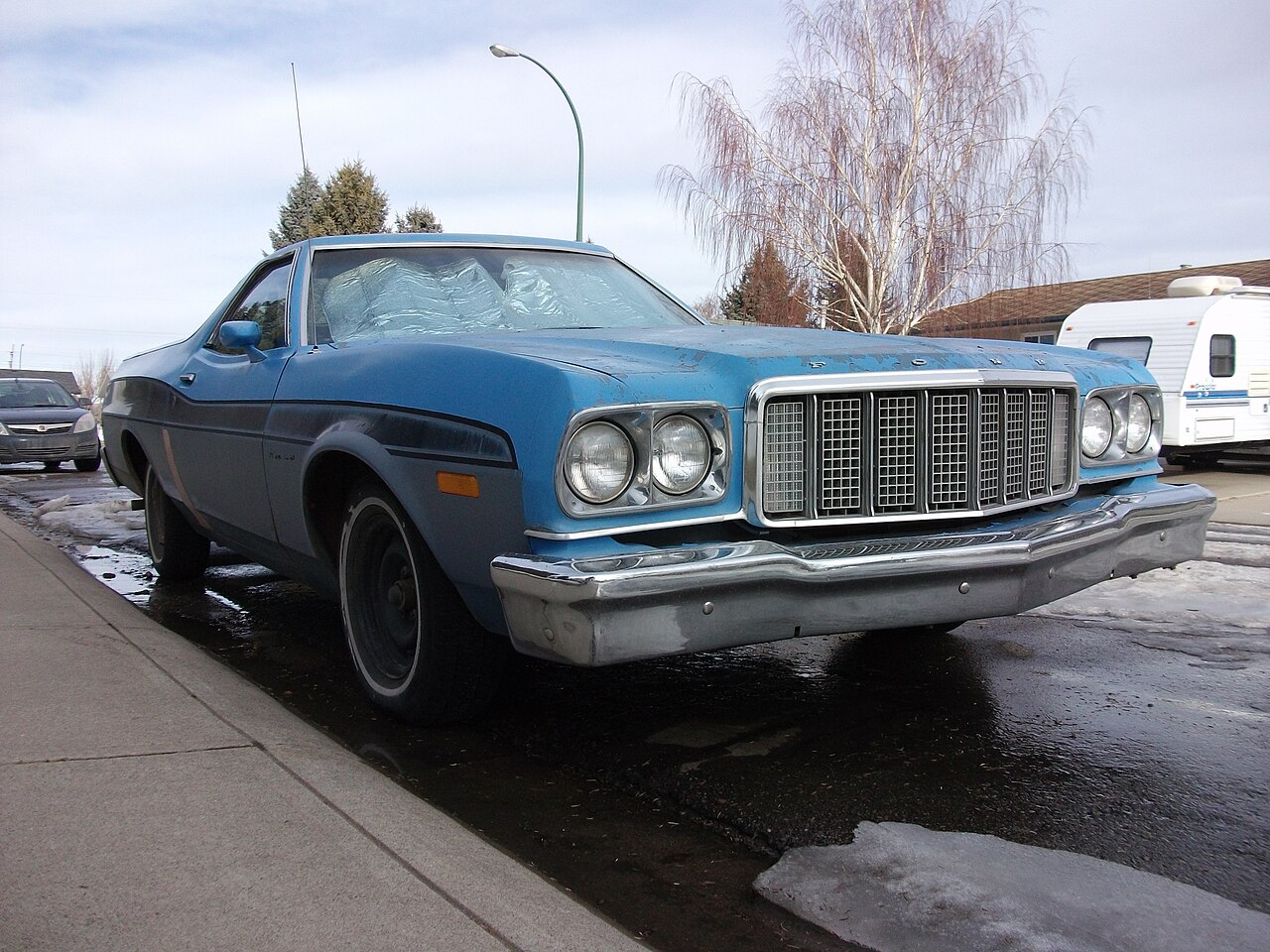
Second generation Ford Probe GT
Ford Probe GT, second generation. Photo by IFCAR, Public domain, via Wikimedia Commons.

How a Ford Probe VIN is put together

The 17 characters split into three blocks, and because the layout follows a global standard, the same position always carries the same kind of information. The first three characters are the World Manufacturer Identifier. The Probe was built at Flat Rock in Michigan, so its VIN begins with 1ZV, the code used for those cars. Characters four through eight describe the car, including the body and, most usefully, the engine, which is where a base four cylinder is set apart from the turbo or the 24 valve V6. The ninth character is a check digit that validates the whole number. The last eight characters describe the individual car, with position ten the model year, position eleven the plant and the final six the sequential build number. The quick reference below covers the clues you will use most often when you read a Ford Probe VIN.

VIN clue What it means
WMI 1ZV Ford Probe built at Flat Rock, Michigan
Position 8 Engine code, for example the 2.2 turbo or the 2.5 V6 24 valve
Position 9 Check digit that validates the whole VIN
Position 10 Model year code, for example L is 1990 and P is 1993
Position 11 Assembly plant code

You will find the number at the base of the windshield, on the label in the door jamb and on the title, and matching them is the first check worth doing.

Ford Probe VIN position by position

The Probe was a sporty coupe built alongside Mazda in the United States, and it uses the seventeen character VIN. Read it in order and you can settle the year and the engine before you trust the advert.

Position Name What it tells you on a Probe
1 to 3 World Manufacturer Identifier 1ZV marks a car built by AutoAlliance in the United States, the Ford and Mazda joint venture that built the Probe
4 to 8 Vehicle descriptor Body, trim and engine, where the four cylinder is separated from the V6 GT
9 Check digit A calculated character that validates the rest of the VIN
10 Model year A single character, listed in the chart below
11 Assembly plant The factory that built the car
12 to 17 Serial number The build sequence unique to that Probe

Ford Probe model year codes (position 10)

The Probe was sold from 1989 to 1997, and the tenth character reads as follows.

Model year Code in position 10
Ford Probe 1989 K
Ford Probe 1990 L
Ford Probe 1991 M
Ford Probe 1992 N
Ford Probe 1993 P
Ford Probe 1994 R
Ford Probe 1995 S
Ford Probe 1996 T
Ford Probe 1997 V

Where to find the VIN on a Ford Probe

Read the VIN through the windshield at the base of the glass on the driver side, and check it against the label in the driver door jamb. The V6 GT is the one to have, so use the VIN and the engine to confirm it rather than trusting the badges on a car that is easy to dress up.

Reading a Probe VIN in practice

Take a car whose VIN starts with 1ZV and shows P in position ten. That marks it as a United States built car from the 1993 model year. Position eight then tells you whether it left the line as the four cylinder or the V6, and the final six digits are the car’s own serial number.

A short history, generation by generation

The Probe arrived in 1989 and was originally intended to replace the Mustang, a plan that caused such an outcry that Ford kept both. The first generation offered a base four cylinder, a turbocharged GT and later a V6, and the smoother second generation of 1993 paired a four cylinder with a 24 valve 2.5 litre V6 in the GT, a sweet revving engine that remains the one to have. Production ended in 1997. The table below sums up both generations.

Generation Years Body styles Key engines
Ford Probe first generation 1989 to 1992 3-door coupe 2.2 I4, 2.2 turbo, 3.0 V6
Ford Probe second generation 1993 to 1997 3-door coupe 2.0 I4, 2.5 V6 24v

Ford Probe engines and specifications

Because the engine code sits in the middle of the VIN, a proper check confirms the engine the car was born with. The figures below cover the main configurations, with power as a range because output changed across model years.

Configuration Years Power Layout
Ford Probe 2.2 I4 1989 to 1992 about 110 hp Inline-4 petrol
Ford Probe GT 2.2 turbo 1989 to 1992 about 145 hp Turbocharged inline-4
Ford Probe 3.0 V6 1990 to 1992 about 140 hp Naturally aspirated V6
Ford Probe 2.0 I4 1993 to 1997 about 115 hp Inline-4 petrol
Ford Probe GT 2.5 V6 24v 1993 to 1997 about 164 hp Naturally aspirated V6

Ford Probe by model year

Buyers searching for a specific year want to know what they are getting, so the table below maps several model years to their VIN year code, generation and engine options. The same model year letter logic runs across the production run.

Model year VIN year code Generation Engine options
Ford Probe 1990 L First generation 2.2 I4, 2.2 turbo, 3.0 V6
Ford Probe 1992 N First generation 2.2 I4, 3.0 V6
Ford Probe 1993 P Second generation 2.0 I4, 2.5 V6
Ford Probe 1995 S Second generation 2.0 I4, 2.5 V6
Ford Probe 1997 V Second generation 2.0 I4, 2.5 V6

Reliability and the things worth checking

The Probe is generally durable, but every survivor is old now, so condition matters far more than reputation. Always run the VIN through the NHTSA recall database and look closely at the points below.

Engine or area What to check
Ford Probe 2.5 V6 24v Confirm timing belt history, as it is an interference engine, and check for overheating
Ford Probe turbo On the first generation GT check the turbo and for signs of hard use
Ford Probe pop-up headlights On the first generation check the headlight mechanism works
Ford Probe body Rust and tired suspension are the main issues on survivors

Ford Probe recalls

The Ford Probe, built from 1989 to 1997 and based on a Mazda platform, has very few safety recalls on record with the American road safety regulator, the NHTSA. Because a recall only applies to certain build dates and VIN ranges, and because this is an older car that may have had earlier service work, a VIN check is the reliable way to see whether anything is still open on a specific Probe.

Recall data is published by the NHTSA and changes over time, so treat this as background rather than a substitute for the official record for your VIN.

Check a specific VIN for open recalls: use the official NHTSA recalls lookup or the Ford recall page. Both are free and show whether the work has already been done.

Buying a used Ford Probe

When you find one worth pursuing, decode the VIN first and make sure the model year and engine line up with the advertisement, then run the same number through the NHTSA recall search. On a GT confirm the engine through the VIN, and on the V6 cars treat the timing belt history as essential, since a snapped belt is expensive. Check for corrosion and overall condition. When you are ready, enter your Ford Probe VIN in the decoder above to confirm the year, engine and plant, then use the advice here to make sure the car is genuinely what it claims to be.
Ford Orion VIN Decoder: Generations, Engines and VIN Lookup Guide

Every Ford Orion carries a 17 character Vehicle Identification Number, and reading it is the quickest way to confirm what a particular car really is before you trust a listing. The Orion was the booted saloon version of the Escort, sold across Europe from 1983 to 1993 as a slightly more upmarket small family car. The VIN settles the model year, the engine the car left the line with and the plant that built it. You can run any Orion VIN through the decoder at the top of this page and read the result in a few seconds. The rest of this guide explains how the number is built, walks through the generations, and points out what to check when you look one over.

1988 Ford Orion 1.6 Ghia saloon
1988 Ford Orion 1.6 Ghia. Photo by Kieran White from Manchester, England, CC BY 2.0, via Wikimedia Commons.

How a Ford Orion VIN is put together

The 17 characters split into three blocks, and because the layout follows a global standard, the same position always carries the same kind of information. The first three characters are the World Manufacturer Identifier, and most Orions begin with WF0, the code for Ford built passenger cars in Europe. Characters four through eight describe the car, including the body and, most usefully, the engine, which is where a small CVH unit is set apart from the fuel injected and later Zetec engines. The ninth character is a check digit that validates the whole number. The last eight characters describe the individual car, with position ten the model year, position eleven the plant and the final six the sequential build number. The quick reference below covers the clues you will use most often when you read a Ford Orion VIN.

VIN clue What it means
WMI WF0 Ford Orion built by Ford in Europe
Position 8 Engine code, for example a CVH, a fuel injected or a Zetec unit
Position 9 Check digit that validates the whole VIN
Position 10 Model year code, for example J is 1988 and N is 1992
Position 11 Assembly plant code, such as Saarlouis or Halewood

You will find the number behind the windscreen, on the plate in the door area and on the registration documents, and matching them is the first check worth doing.

Ford Orion VIN position by position

The Orion was the saloon version of the Escort, and it uses the seventeen character VIN. Read it in order and you can settle the year and the engine before you trust the advert.

Position Name What it tells you on an Orion
1 to 3 World Manufacturer Identifier WF0 marks a Ford built in Europe, the origin of the Orion
4 to 8 Vehicle descriptor Body, trim and engine, where a base car is separated from the injection models
9 Check digit A calculated character that validates the rest of the VIN
10 Model year A single character, listed in the chart below
11 Assembly plant The European Ford factory that built the car
12 to 17 Serial number The build sequence unique to that Orion

Ford Orion model year codes (position 10)

The tenth character gives the model year. Match your letter or number below.

Model year Code in position 10
Ford Orion 1983 D
Ford Orion 1984 E
Ford Orion 1985 F
Ford Orion 1986 G
Ford Orion 1987 H
Ford Orion 1988 J
Ford Orion 1989 K
Ford Orion 1990 L
Ford Orion 1991 M
Ford Orion 1992 N
Ford Orion 1993 P

Where to find the VIN on a Ford Orion

On the Orion the VIN is stamped on the body and shown on a plate in the engine bay. These were sensible family saloons that have almost all gone now, so on a survivor check the number against the plate and the paperwork before you buy.

Reading an Orion VIN in practice

Take a car whose VIN opens with WF0 and shows K in position ten. That places it as a European built Ford from the 1989 model year. The descriptor section then shows the trim and engine, and the closing six digits are the car’s own serial number.

A short history, generation by generation

The Orion arrived in 1983 to give Escort buyers a three box saloon with a separate boot, pitched as a touch more grown up than the hatchback. It shared its engines and mechanicals with the Escort, the Mk2 of 1986 brought fuel injection to the sportier models, and the Mk3 of 1990 modernised the car before the Orion name was dropped in 1993 and the saloon simply became an Escort. The table below sums up the generations.

Generation Years Body Key engines
Ford Orion Mk1 1983 to 1986 4-door saloon 1.3 to 1.6 CVH, 1.6 diesel
Ford Orion Mk2 1986 to 1990 4-door saloon 1.3 to 1.6, 1.6 EFI, 1.8 diesel
Ford Orion Mk3 1990 to 1993 4-door saloon 1.4 to 1.8, 1.6 16v, 1.8 diesel

Ford Orion engines and specifications

Because the engine code sits in the middle of the VIN, a proper check confirms the engine the car was born with. The figures below cover the main configurations, with power as a range because output changed across the years.

Configuration Years Power Layout
Ford Orion 1.3 and 1.4 1983 to 1993 about 60 to 75 hp Inline-4 petrol
Ford Orion 1.6 CVH 1983 to 1992 about 90 to 105 hp Inline-4 petrol
Ford Orion 1.6 16v Zetec 1992 to 1993 about 90 to 105 hp Zetec inline-4
Ford Orion 1.8 diesel 1990 to 1993 about 60 hp Inline-4 diesel

Ford Orion by model year

Buyers searching for a specific year want to know what they are getting, so the table below maps several model years to their VIN year code, generation and engine options. The same model year letter logic runs across the production run.

Model year VIN year code Generation Engine options
Ford Orion 1985 F Mk1 1.3 to 1.6 CVH
Ford Orion 1988 J Mk2 1.4 to 1.6 EFI
Ford Orion 1990 L Mk3 1.4 to 1.8
Ford Orion 1992 N Mk3 1.4 to 1.8, 1.6 16v
Ford Orion 1993 P Mk3 1.4 to 1.8

Reliability and the things worth checking

The Orion is simple and tough, but every survivor is old now, so condition matters far more than reputation. Always run the VIN through the relevant history check and look closely at the points below.

Engine or area What to check
Ford Orion CVH petrol Simple and durable, confirm cambelt history and watch for oil leaks
Ford Orion Zetec petrol Reliable, confirm timing belt history
Ford Orion diesel Slow but long lived, check for the usual high mileage diesel wear
Ford Orion body Rust in arches, sills and floors is the main enemy on survivors

Buying a used Ford Orion

When you find one worth pursuing, decode the VIN first and make sure the model year and engine line up with the advertisement, then run the same number through the relevant history check. These are inexpensive cars now, so condition and a clean history matter most, and you should check carefully for corrosion. When you are ready, enter your Ford Orion VIN in the decoder above to confirm the year, engine and plant, then use the advice here to make sure the car is genuinely what it claims to be.

Ford Mustang Mach-E VIN Decoder: Versions, Batteries and VIN Lookup Guide

Every Ford Mustang Mach-E carries a 17 character Vehicle Identification Number, and reading it is the quickest way to confirm what a particular car really is before you trust a listing. The Mach-E is Ford’s electric SUV, on sale since 2021, offered with two battery sizes, rear or all wheel drive, and a high performance GT at the top of the range. The VIN settles the model year, the drive and battery configuration the car left the line with, and the plant that built it. You can run any Mach-E VIN through the decoder at the top of this page and read the result in a few seconds. The rest of this guide explains how the number is built, walks through the versions, and points out what to check when you look one over.

2021 Ford Mustang Mach-E GT electric SUV
2021 Ford Mustang Mach-E GT. Photo by MrWalkr, CC BY-SA 4.0, via Wikimedia Commons.

How a Ford Mustang Mach-E VIN is put together

The 17 characters split into three blocks, and because the layout follows a global standard, the same position always carries the same kind of information. The first three characters are the World Manufacturer Identifier. The Mach-E is built in Mexico, so its VIN begins with 3FM, the code for Ford built multipurpose vehicles from that country. Characters four through eight describe the car, including the body and the drive system, which on an electric car points to single or dual motor configuration rather than a combustion engine. The ninth character is a check digit that validates the whole number. The last eight characters describe the individual car, with position ten the model year, position eleven the plant and the final six the sequential build number. The quick reference below covers the clues you will use most often when you read a Ford Mustang Mach-E VIN.

VIN clue What it means
WMI 3FM Ford Mustang Mach-E built by Ford in Mexico
Position 8 Drive code, pointing to single motor rear drive or dual motor all wheel drive
Position 9 Check digit that validates the whole VIN
Position 10 Model year code, for example M is 2021 and R is 2024
Position 11 Assembly plant code

You will find the number at the base of the windshield, on the label in the door jamb and on the registration documents, and matching them is the first check worth doing.

Ford Mustang Mach-E VIN position by position

The Mach-E is fully electric, so its VIN describes the drive and battery rather than a petrol engine, but it still follows the same seventeen character layout. Reading it in order tells you where it was built, the year and the powertrain version.

Position Name What it tells you on a Mach-E
1 to 3 World Manufacturer Identifier 3FM marks a Ford SUV built in Mexico, at Cuautitlan, where the Mach-E is made
4 to 8 Vehicle descriptor Trim, body and the electric drive, where a single motor rear drive is separated from a dual motor all wheel drive
9 Check digit A calculated character that validates the rest of the VIN
10 Model year A single character, listed in the chart below
11 Assembly plant The Ford factory that built the car
12 to 17 Serial number The build sequence unique to that Mach-E

Ford Mustang Mach-E model year codes (position 10)

The tenth character gives the model year. Match the letter below.

Model year Code in position 10
Ford Mustang Mach-E 2021 M
Ford Mustang Mach-E 2022 N
Ford Mustang Mach-E 2023 P
Ford Mustang Mach-E 2024 R
Ford Mustang Mach-E 2025 S

Where to find the VIN on a Ford Mustang Mach-E

Read the VIN through the windshield at the base of the glass on the driver side, and check it against the label in the driver door jamb. On an electric car it is also worth confirming the VIN against any service and battery records, since the history of the battery matters as much as the mileage.

Reading a Mach-E VIN in practice

Take a VIN that starts with 3FM and shows N in position ten. That already tells you it is a Mexican built Ford SUV from the 2022 model year. The descriptor characters then tell you whether it is a single motor rear drive or a dual motor all wheel drive car, and the closing six digits are the car’s own serial number.

A short history and the Mach-E versions

The Mustang Mach-E launched for 2021 as Ford’s first purpose built electric vehicle to wear the Mustang name, a decision that drew plenty of debate but put a long range, quick electric SUV into the mainstream. Buyers chose between a Standard Range and an Extended Range battery, and between rear wheel drive and dual motor all wheel drive. The GT arrived as the performance flagship, and later years added the off road flavoured Rally. The table below sums up the main versions.

Version Years Drive Battery
Ford Mustang Mach-E Standard Range 2021 to present Rear or all wheel drive about 70 kWh
Ford Mustang Mach-E Extended Range 2021 to present Rear or all wheel drive about 88 to 91 kWh
Ford Mustang Mach-E GT 2021 to present All wheel drive Extended Range, high output

Ford Mustang Mach-E powertrains

Because the drive configuration is encoded in the VIN, a proper check confirms whether a car is a single motor or dual motor model, which is what you want when a listing is vague. The figures below cover the main powertrains, with output as a range because it changed across model years.

Configuration Years Power Layout
Ford Mustang Mach-E rear drive Standard 2021 to present about 269 hp Single motor rear drive
Ford Mustang Mach-E all wheel drive Extended 2021 to present about 346 hp Dual motor all wheel drive
Ford Mustang Mach-E GT 2021 to present about 480 hp Dual motor performance

Ford Mustang Mach-E by model year

Buyers searching for a specific year want to know what they are getting, so the table below maps each model year to its VIN year code and the versions offered. The same model year letter logic runs across the production run.

Model year VIN year code Versions
Ford Mustang Mach-E 2021 M Standard and Extended Range, rear and all wheel drive
Ford Mustang Mach-E 2022 N Select to GT
Ford Mustang Mach-E 2023 P Select to GT
Ford Mustang Mach-E 2024 R Select to GT, plus Rally
Ford Mustang Mach-E 2025 S Select to GT

Reliability and the things worth checking

Electric cars move the maintenance focus to the battery, the software and recalls, so always run the VIN through the relevant recall check. The most common points to check are summarized below.

Area What to check
Ford Mustang Mach-E high voltage battery Confirm battery health and range, and that the car charges to expected levels
Ford Mustang Mach-E software and recalls Check that updates and any recall work have been completed
Ford Mustang Mach-E 12 volt system The low voltage battery and electronics are worth checking for fault history
Ford Mustang Mach-E tyres and brakes Heavy and quick, so check tyre wear, and remember regenerative braking preserves the discs

Ford Mustang Mach-E recalls

Below are notable safety recalls recorded for the Ford Mustang Mach-E by the American road safety regulator, the NHTSA. Because the Mach-E is a newer electric model, several of its fixes are software updates and the list changes often, so a VIN check is the reliable way to see the current picture. A recall applies only to certain build dates and VIN ranges, so a model year here does not mean every car of that year is affected.

Model years NHTSA number Area Problem and risk
2021 to 2022 21V979 Rear seat belts The rear seat belt buckles may not be properly attached to the rear floor, so they may not restrain an occupant in a crash. Buckle attachments repaired.
2021 to 2023 25V315 Rear camera A software error can delay, freeze or blank the rearview camera image in reverse. Software updated by a dealer or over the air.

The Mach-E has also had high voltage battery and software related recalls, including a widely reported one where the battery main contactors could overheat and cause a loss of drive power, addressed with a software update. Because these change often on a newer electric model, use a VIN check for the current list.

Recall data is published by the NHTSA and changes over time, so treat this as background rather than a substitute for the official record for your VIN.

Check a specific VIN for open recalls: use the official NHTSA recalls lookup or the Ford recall page. Both are free and show whether the work has already been done.

Buying a used Ford Mustang Mach-E

When you find one worth pursuing, decode the VIN first and make sure the model year, battery and drive type line up with the advertisement, then run the same number through the relevant recall check. Confirm the battery state of health and charging behaviour, ideally with a test of real world range, and make sure any software updates and recall work are done. When you are ready, enter your Ford Mustang Mach-E VIN in the decoder above to confirm the year, drive type, battery and plant, then use the advice here to make sure the car is genuinely what it claims to be.
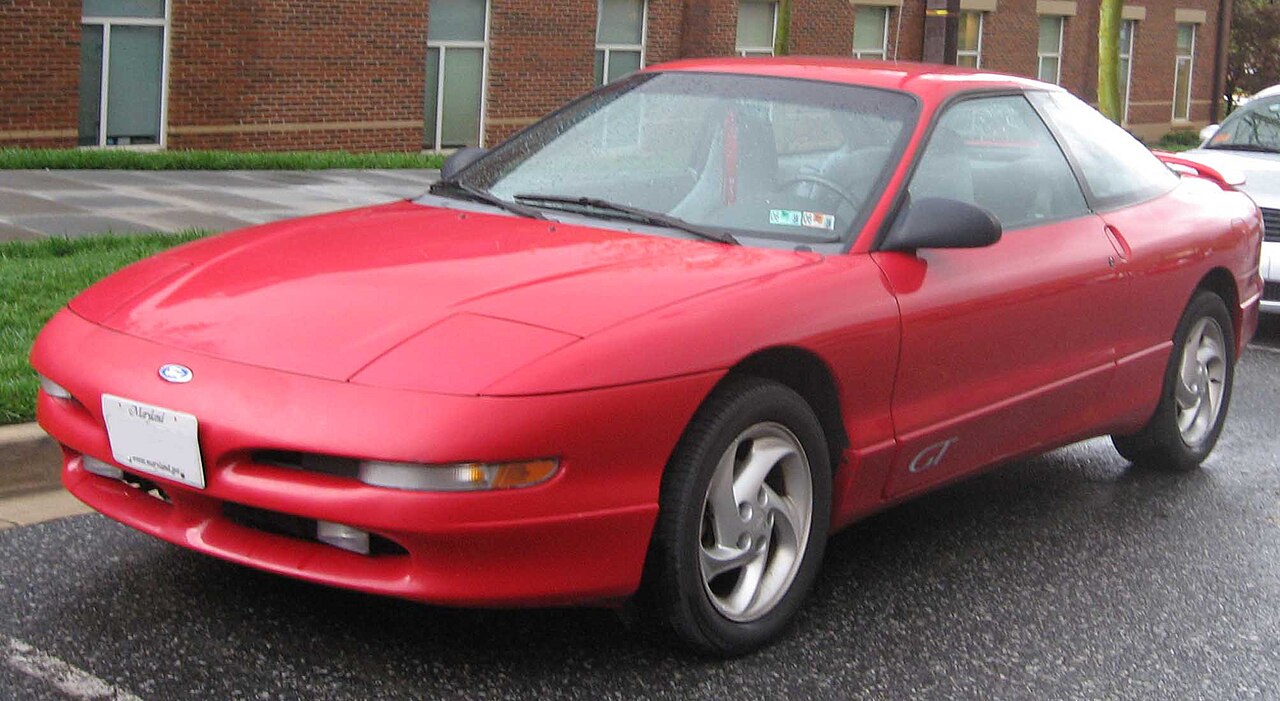
Fast & Free

Quickly get vehicle details for free.

Reliable Data

We source data from trusted providers.

Global VIN Check

Supports VINs from all over the world.

How to read VIN code?

1
H
G
B
H
4
1
J
X
M
N
1
0
9
1
8
6

What Is a VIN Code for Cars?

A Vehicle Identification Number (VIN) is a unique 17-character code that serves as a car's fingerprint. It contains specific information about the vehicle and is used for identification and tracking purposes.

A VIN provides detailed information about:

  • Manufacturer
  • Model
  • Engine type
  • Production year
  • Assembly plant
  • Serial number

VINs are globally recognized and standardized for vehicle identification.

How Does a VIN Code Work?

A VIN is divided into three main sections, each providing specific information about the vehicle.

1. World Manufacturer Identifier (WMI) - Characters 1-3

This section identifies the manufacturer and country of origin.

Examples: "1HG = Honda, made in the USA", "JHM = Honda, made in Japan"

2. Vehicle Descriptor Section (VDS) - Characters 4-9

This section provides details about the vehicle's model, engine type, body style, and includes a check digit (9th character).

3. Vehicle Identifier Section (VIS) - Characters 10-17

This section reveals the model year (10th character), manufacturing plant (11th), and serial number (12-17).

Examples: "Y in the 10th spot = 2000", "A = 2010", "L = 2020"

Why Is the VIN Important?

VINs are essential for various purposes:

  • Checking vehicle history reports
  • Registering a car
  • Buying or selling a vehicle
  • Insurance purposes
  • Verifying stolen vehicles
  • Recalls and warranty claims

You can typically find the VIN on the dashboard, door frame, or in registration documents.

Want to Decode a VIN?

Ford VIN Decoder is a fast and easy tool to get detailed vehicle information including specifications, manufacturing details, engine type, trim level, and production year.

Decode VIN