VIN Decoder - Check Your VIN Number

Ford Mustang VIN Decoder: Full History, Generations and VIN Lookup Guide

Every Ford Mustang built since 1981 carries a 17-character Vehicle Identification Number, and learning to read it is the quickest way to find out what a car really is before you trust anyone’s description of it. The VIN confirms the model year, the factory it came from, the engine the car left the line with, the body style and the restraint system. When you are buying a used Mustang, checking an import, verifying that a GT or a Shelby is genuine, or simply ordering the right parts, those few characters settle arguments that a listing photo never can. If the decoded data and the seller’s story disagree, that gap is usually the first thing worth investigating. You can run any Mustang VIN through the decoder at the top of this page and get the result in a few seconds. The rest of this guide explains how those numbers are put together, walks through every generation of the car, and points out the model-specific details that actually matter when you check one.
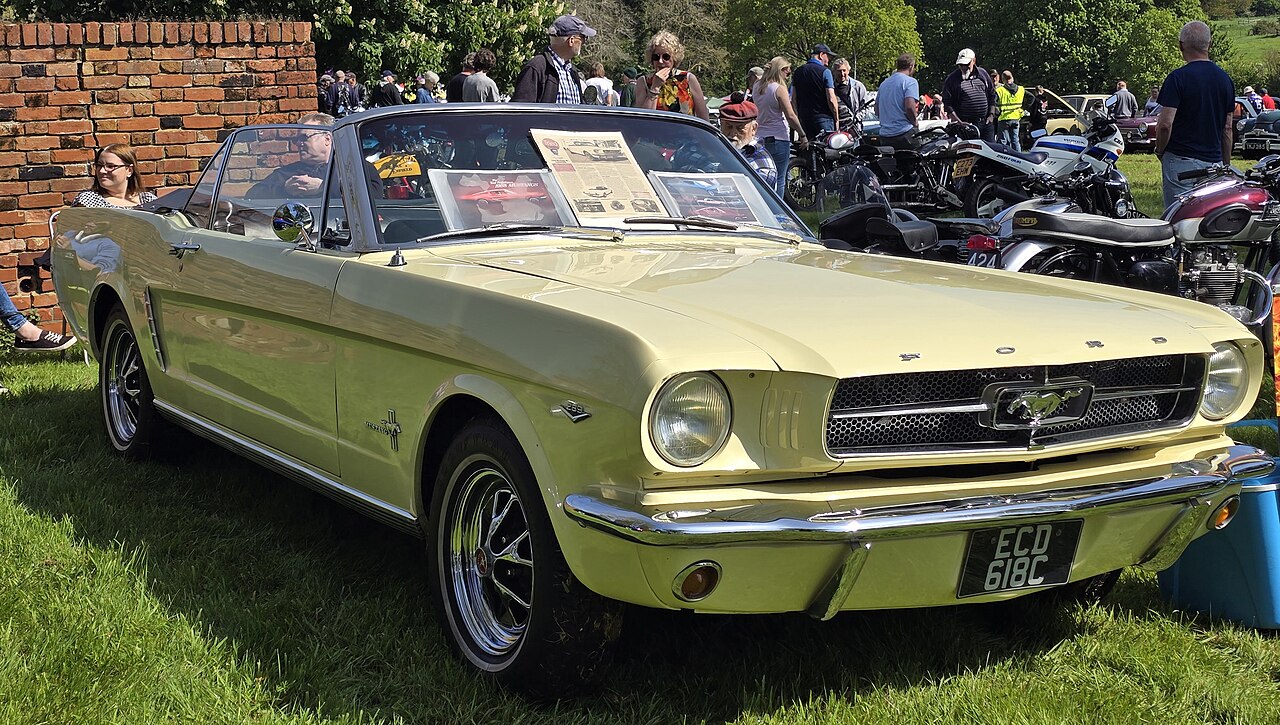
1967 Ford Mustang convertible, front view
1967 Ford Mustang. Photo by Calreyn88, CC BY-SA 4.0, via Wikimedia Commons.

How a Ford Mustang VIN is put together

The 17 characters are not random. They break into three blocks, and because the layout follows a global standard, the same position always carries the same kind of information. The first three characters are the World Manufacturer Identifier, which tells you who built the car and where. Mustangs use two main codes. Cars starting with 1FA were built by Ford in Dearborn, Michigan, which covers most of Mustang history including the 1981 to 2004 cars and everything from 2015 onward. Cars starting with 1ZV came from Auto Alliance International at Flat Rock, Michigan, and that code points specifically to the fifth-generation S197 cars built from 2005 to 2014. Characters four through eight describe the car itself: the body style, the restraint system, the series, and most importantly the engine. This is the part of the VIN that separates a V8 GT from a turbocharged EcoBoost or an older V6, and it is where the Shelby variants are set apart from the standard car. The ninth character is a check digit, a value calculated from all the others to catch typos and obvious fakes. If that digit does not add up, the VIN is wrong, and on a collector car that is a serious red flag. The last eight characters tell you about the individual vehicle. Position ten is the model year, position eleven is the assembly plant, and the final six characters are the sequential build number that is unique to that one car. The quick reference below covers the clues you will use most often when you read a Ford Mustang VIN.

VIN clue What it means
WMI 1FA Ford Mustang built by Ford in Dearborn, Michigan
WMI 1ZV Ford Mustang built by AAI in Flat Rock, Michigan (2005 to 2014)
Position 9 Check digit that validates the whole VIN
Position 10 Model year code (for example M is 2021, R is 2024)
Position 11 = F Dearborn assembly plant
Position 11 = 5 Flat Rock assembly plant

One thing to keep in mind is that this logic only applies to cars built from 1981 onward. Earlier Mustangs use shorter factory numbers, often eleven to thirteen characters, with a completely different layout, so a first or second generation car has to be read with year-specific references rather than a modern decoder. On any of these cars you will find the number at the base of the windshield on the driver’s side, on the certification label in the driver’s door jamb, and on the registration and insurance paperwork.

Ford Mustang VIN position by position

Modern Mustangs, from the 1981 model year on, use the seventeen character VIN. Read it in order and it gives you the country, the year, the plant and the engine family. The classic cars from 1965 to 1980 use a shorter Ford number that is read differently, and that older format is covered further down.

Position Name What it tells you on a Mustang
1 to 3 World Manufacturer Identifier 1FA for a Ford passenger car built in the United States
4 to 8 Vehicle descriptor Body style, restraint system and engine, the part that separates a base car from a GT or a Shelby
9 Check digit A calculated character that validates the rest of the VIN
10 Model year A single character, listed in the chart below
11 Assembly plant The Ford plant that built the car, Dearborn on the older cars and Flat Rock on the recent ones
12 to 17 Serial number The build sequence unique to that Mustang

Ford Mustang model year codes (position 10)

On any Mustang from 1981 on, the tenth character gives the model year. These are the codes for the cars most people are decoding today.

Model year Code in position 10
Ford Mustang 2005 5
Ford Mustang 2006 6
Ford Mustang 2007 7
Ford Mustang 2008 8
Ford Mustang 2009 9
Ford Mustang 2010 A
Ford Mustang 2011 B
Ford Mustang 2012 C
Ford Mustang 2013 D
Ford Mustang 2014 E
Ford Mustang 2015 F
Ford Mustang 2016 G
Ford Mustang 2017 H
Ford Mustang 2018 J
Ford Mustang 2019 K
Ford Mustang 2020 L
Ford Mustang 2021 M
Ford Mustang 2022 N
Ford Mustang 2023 P
Ford Mustang 2024 R
Ford Mustang 2025 S

Decoding a classic Mustang, 1965 to 1973

The first generation cars predate the seventeen character VIN, and on these the very first character of the number is the model year. That single digit is the quickest way to place an early car. The characters that follow give the plant, the body style and the engine, all of which are spelled out on the door data plate as well.

Model year First character of the VIN
Ford Mustang 1965 5
Ford Mustang 1966 6
Ford Mustang 1967 7
Ford Mustang 1968 8
Ford Mustang 1969 9
Ford Mustang 1970 0
Ford Mustang 1971 1
Ford Mustang 1972 2
Ford Mustang 1973 3

Where to find the VIN on a Ford Mustang

On any recent Mustang read the VIN through the windshield at the base of the glass on the driver side, and check it against the label in the driver door jamb. On a classic look for the number on the inner wing or the door, with the matching details on the door data plate. On the collectible cars, a genuine GT or Shelby is worth confirming through the number rather than the badges, since these are among the most cloned Fords of all.

Reading a Mustang VIN in practice

Take a recent car whose VIN starts with 1FA and shows H in position ten. That marks it as a United States built Ford passenger car from the 2017 model year, with the descriptor section telling you whether it is a four cylinder EcoBoost, a V6 or a V8 GT. On a classic, a number that opens with 9 puts the car in 1969, and the door plate then confirms the body and the engine.

A short history, generation by generation

The Mustang has been in continuous production since 1964, across seven generations, and knowing which one you are looking at frames everything else about the car. The original cars, sold from early 1964 through 1973, invented the pony car class almost overnight. They came as hardtops, fastbacks and convertibles, with everything from frugal inline-six engines to small-block V8s and, later in the run, big-block performance motors. This era holds the most collectible classics, including the early Shelby GT350 and GT500 cars built with Carroll Shelby’s involvement, and none of them use the 17-character VIN. The second generation, the Mustang II of 1974 to 1978, arrived during the oil crisis and was downsized onto the Pinto platform. Enthusiasts tend to look down on it, but it sold strongly and kept the name alive through a hard decade. The Fox-body cars of 1979 to 1993 are where the Mustang found its second wind, and especially the 5.0 V8 GT and LX models of the late eighties became a tuning and drag-strip staple that still has a huge following. They are also the earliest Mustangs you can decode with a modern tool, since this is where the 17-character VIN begins. The SN95 generation that ran from 1994 to 2004, restyled with the cleaner New Edge look in 1999, brought the 3.8 V6 and the 4.6 modular V8 along with the hot SVT Cobra models, including the supercharged 2003 and 2004 Terminator Cobra. The S197 cars of 2005 to 2014 leaned hard into retro styling and were built at Flat Rock, which is why they wear the 1ZV code. The S550 cars from 2015 to 2023 finally gave the Mustang independent rear suspension as standard and sold it worldwide, and the current S650 has carried the formula forward since 2024 with a V8 and a manual gearbox still on the menu when most rivals have dropped both. The table below sums up the seven generations at a glance.

Generation Years Body styles Key engines VIN type
Ford Mustang first generation 1964 to 1973 Hardtop, fastback, convertible Inline-6, 289/302 and big-block V8 Pre-1981 short VIN
Ford Mustang II 1974 to 1978 Coupe, hatchback 2.3 I4, 2.8 V6, 302 V8 Pre-1981 short VIN
Ford Mustang Fox-body 1979 to 1993 Coupe, hatchback, convertible 2.3 I4, 5.0 V8 17-character
Ford Mustang SN95 1994 to 2004 Coupe, convertible 3.8 V6, 4.6 V8, SVT Cobra 17-character
Ford Mustang S197 2005 to 2014 Coupe, convertible 4.0 V6, 4.6 and 5.0 V8 1ZV, Flat Rock
Ford Mustang S550 2015 to 2023 Fastback, convertible 2.3 EcoBoost, 5.0 V8, 5.2 Shelby 1FA, Dearborn
Ford Mustang S650 2024 to present Fastback, convertible 2.3 EcoBoost, 5.0 V8, Dark Horse 1FA, Dearborn

Ford Mustang engines and specifications

Because the engine code sits in the middle block of the VIN, a proper check confirms the engine the car was born with, which is exactly what you want when you suspect a swap or a badge that does not match what is under the hood. The figures below cover the main modern configurations, with power quoted as a range because output changed across model years and trims.

Configuration Years Power Layout Transmission
Ford Mustang 2.3 EcoBoost 2015 to present about 310 to 330 hp Turbocharged inline-4 Manual or automatic
Ford Mustang 3.7 V6 2011 to 2017 about 300 to 305 hp Naturally aspirated V6 Manual or automatic
Ford Mustang GT 5.0 V8 2011 to present about 412 to 486 hp Naturally aspirated V8 Manual or automatic
Ford Mustang Dark Horse 5.0 V8 2024 to present about 500 hp Naturally aspirated V8 Manual or automatic
Ford Mustang Shelby GT350 5.2 V8 2015 to 2020 about 526 hp Flat-plane V8 6-speed manual
Ford Mustang Shelby GT500 5.2 V8 2020 to 2022 about 760 hp Supercharged V8 7-speed dual-clutch

On classic and Fox-body cars the engine code separates the small-block 289, 302 and 351 engines from the big-block options, and that distinction can swing a car’s value dramatically, which is one more reason to confirm it against the VIN rather than the badge.

Ford Mustang by model year

Buyers searching for a specific year want to know what they are getting, so the table below maps recent model years to their VIN year code, generation and engine options. The same model-year letter logic runs right back through the earlier cars.

Model year VIN year code Generation Engine options
Ford Mustang 2019 K S550 2.3 EcoBoost, 5.0 V8, GT350 5.2
Ford Mustang 2020 L S550 2.3 EcoBoost, 5.0 V8, GT350 and GT500 5.2
Ford Mustang 2021 M S550 2.3 EcoBoost, 5.0 V8, GT500 5.2
Ford Mustang 2022 N S550 2.3 EcoBoost, 5.0 V8, GT500 5.2
Ford Mustang 2023 P S550 2.3 EcoBoost, 5.0 V8
Ford Mustang 2024 R S650 2.3 EcoBoost, 5.0 V8, Dark Horse
Ford Mustang 2025 S S650 2.3 EcoBoost, 5.0 V8, Dark Horse

Reliability and the things worth checking

Reliability depends heavily on the generation and the specific engine, and you should always confirm a given car against the NHTSA recall database using its VIN rather than relying on reputation alone. The most common points to check, by engine and area, are summarized below.

Engine or area What to check
Ford Mustang 5.0 V8 (Coyote) Strong reputation overall, but some years drew reports of oil consumption and a tick or rattle, so confirm service history
Ford Mustang 2.3 EcoBoost Mostly solid, with cooling-related concerns reported on certain years worth a closer look
Ford Mustang S197 V8 Generally tough, but track and drag use is common, so inspect for hard use
Ford Mustang Fox-body and older Age is the real issue: rust in rockers and floor pans, tired bushings, and the effects of past modifications

Because Mustangs get modified and raced more than almost any other mainstream car, a VIN history check combined with a careful physical inspection counts for more here than it would on an ordinary commuter.

Ford Mustang recalls

Below are notable safety recalls recorded for the Ford Mustang by the American road safety regulator, the NHTSA, with a focus on the sixth generation from 2015 on. This is a reference list, not a check of your individual car. A recall applies only to certain build dates and VIN ranges, so a model year here does not mean every car of that year is affected.

Model years NHTSA number Area Problem and risk
2015 to 2017 16V779 Engine oil cooler A hose can separate from the engine oil cooler tube and leak oil, which can cause engine failure or, near an ignition source, a fire. Oil cooler tube replaced.
2015, 2.3L 15V339 Fuel tank Underbody heat can degrade the fuel tank and vapor lines and cause a leak, and can also weaken the parking brake cable seals. Shield, thermal patches and wraps added.
2015 14V774 Fuel line The fuel pressure sensor may not be seated properly on the fuel line, causing a fuel smell or leak and fire risk. Fuel jumper line replaced.
2015 to 2017 25V614 Seat belt pretensioner Water and road salt can corrode the front seat belt pretensioner cables, which can break and leave the belt unable to restrain properly in a crash. Assemblies inspected and replaced.
2015 16V643 / 20V331 Door latches A part in the door latch can break so a door may not stay latched and could open while driving. Latches replaced with an improved part.
2015 14V649 Passenger airbag sensor The passenger belt tension sensor can misjudge occupant size, so the front airbag may deploy in the wrong way. Passenger belt buckle replaced.
2015 to 2017 22V082 Rear camera Loose or damaged decklid wiring can leave the rearview camera image blank or distorted. Wiring repaired or camera replaced.
2018 18V213 10-speed transmission A missing roll pin can cause loss of the Park function, so the car can roll away after being parked. Roll pin installed if missing.
2021 to 2022 25V455 Fuel pump The low pressure fuel pump can fail and cause the engine to stall while driving. Remedy in development.
2024 25V315 Rear camera A software error can delay, freeze or blank the rearview camera image in reverse. Software updated by a dealer or over the air.

Recall data is published by the NHTSA and changes over time, so treat this as background rather than a substitute for the official record for your VIN.

Check a specific VIN for open recalls: use the official NHTSA recalls lookup or the Ford recall page. Both are free and show whether the work has already been done.

Buying a used Ford Mustang

When you find a car worth pursuing, decode the VIN first and make sure the model year, engine and plant line up with the advertisement, then run that same number through the NHTSA recall search to see whether anything is still outstanding. Confirm that the engine matches the badge, since a repainted V6 wearing GT trim is not unheard of, and on premium cars verify Shelby authenticity properly rather than trusting the emblems. Look hard for accident, track and modification history on the performance variants, and on older cars spend your time underneath checking the rockers, floor pans and rear wheel arches for corrosion. On anything collectible, originality is everything, so matching-numbers status is worth confirming before you talk price.

Trusted sources for VIN and history data

For official information, the NHTSA VIN decoder and recall search give you the U.S. federal vehicle record and any open safety recalls, while the Ford Heritage Vault holds Ford’s own archive of brochures and model data. For ownership and accident history you will need a reputable VIN history provider, and on many model years a Marti Report can confirm exactly how a Mustang was originally built and equipped.

Common questions

People often ask whether they can decode a 1960s or 1970s Mustang here, and the honest answer is that the standard 17-character decoding only applies to cars from 1981 onward, since earlier ones use shorter factory numbers that need classic-specific references. The other frequent question is how to tell a real GT or Shelby from a tribute, and that comes down to the engine and series codes in the VIN backed up by factory documentation, because badges on their own prove nothing. And if your VIN happens to start with 1ZV, that simply means you have a 2005 to 2014 car built at Flat Rock rather than at Dearborn. When you are ready, enter your Ford Mustang VIN in the decoder above to confirm the year, engine, plant and configuration, then use the advice here to make sure the car is genuinely what it claims to be.
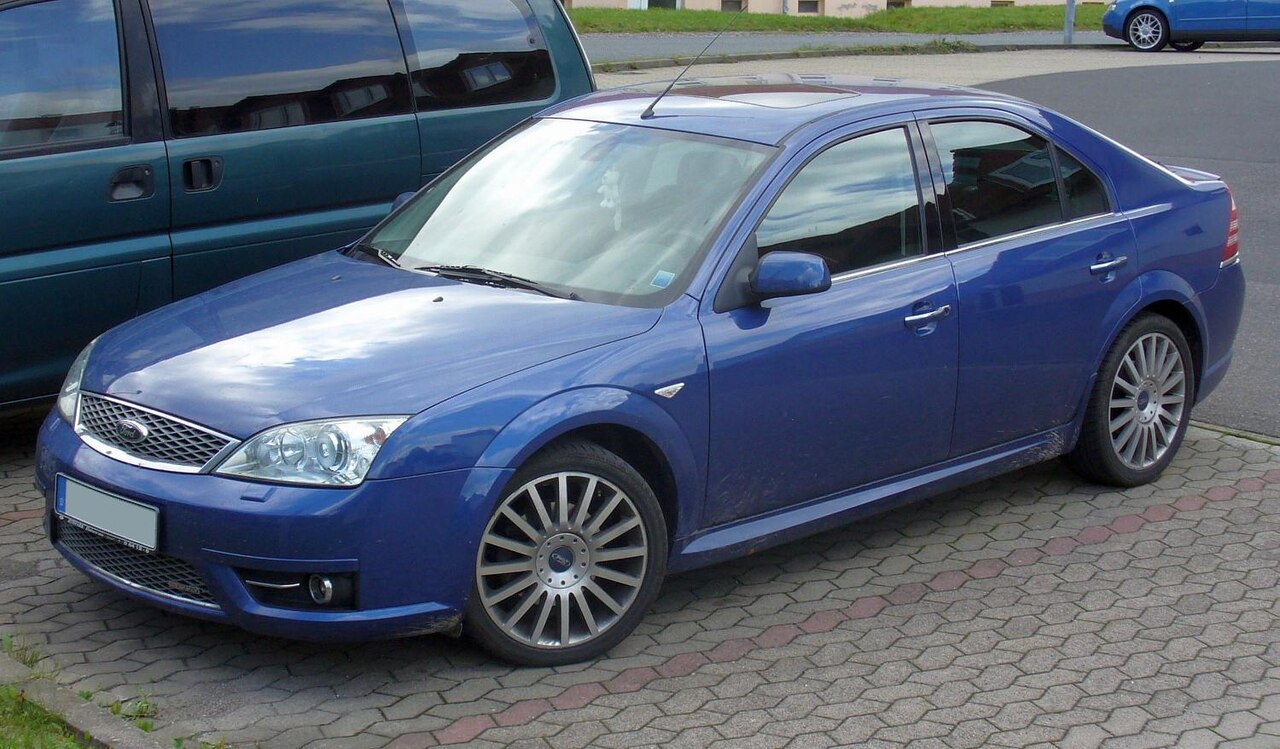
Ford Mondeo ST VIN Decoder: Versions, Engines and VIN Lookup Guide

Every fast Ford Mondeo carries a 17 character Vehicle Identification Number, and reading it is the quickest way to confirm what a particular car really is before you trust a listing. Ford built several performance Mondeos under the ST family, from the V6 powered ST24 and ST200 of the late 1990s to the ST220 and the diesel ST TDCi of the 2000s. The VIN settles the model year, the engine the car left the line with and the plant that built it, which matters when a tidy ST is worth far more than a base car wearing the badges. You can run any Mondeo ST VIN through the decoder at the top of this page and read the result in a few seconds. The rest of this guide explains how the number is built, walks through the ST versions, and points out what to check when you look one over.

Ford Mondeo ST220
Ford Mondeo ST220. Photo by Thomas doerfer, CC BY-SA 3.0, via Wikimedia Commons.

How a Ford Mondeo ST VIN is put together

The 17 characters split into three blocks, and because the layout follows a global standard, the same position always carries the same kind of information. The first three characters are the World Manufacturer Identifier, and most Mondeos begin with WF0, the code for Ford built passenger cars in Europe. Characters four through eight describe the car, including the body and, most usefully, the engine, which is where a V6 ST is set apart from an ordinary four cylinder car. The ninth character is a check digit that validates the whole number. The last eight characters describe the individual car, with position ten the model year, position eleven the plant and the final six the sequential build number. The quick reference below covers the clues you will use most often when you read a Ford Mondeo ST VIN.

VIN clue What it means
WMI WF0 Ford Mondeo ST built by Ford in Europe
Position 8 Engine code, for example the 2.5 V6, the 3.0 V6 or the 2.2 diesel
Position 9 Check digit that validates the whole VIN
Position 10 Model year code, for example X is 1999 and 5 is 2005
Position 11 Assembly plant code, such as Genk

You will find the number behind the windscreen, on the plate in the door area and on the registration documents, and matching them is the first check worth doing on a performance model.

Ford Mondeo ST VIN position by position

The Mondeo ST models are the sporting versions of the Mondeo, built in Europe, and they use the seventeen character VIN. Read it in order and you can settle the year and confirm a genuine ST before you trust the advert.

Position Name What it tells you on a Mondeo ST
1 to 3 World Manufacturer Identifier WF0 marks a Ford built in Europe, the origin of the Mondeo
4 to 8 Vehicle descriptor Body, trim and the engine that marks the ST out, whether the V6 or the ST TDCi diesel
9 Check digit A calculated character that validates the rest of the VIN
10 Model year A single character, listed in the chart below
11 Assembly plant The European Ford factory that built the car
12 to 17 Serial number The build sequence unique to that car

Ford Mondeo ST model year codes (position 10)

The tenth character gives the model year. Match your letter or number below.

Model year Code in position 10
Ford Mondeo ST 1999 X
Ford Mondeo ST 2000 Y
Ford Mondeo ST 2001 1
Ford Mondeo ST 2002 2
Ford Mondeo ST 2003 3
Ford Mondeo ST 2004 4
Ford Mondeo ST 2005 5
Ford Mondeo ST 2006 6
Ford Mondeo ST 2007 7

Where to find the VIN on a Ford Mondeo ST

Read the VIN through the base of the windscreen on the driver side and check it against the plate or label in the door area. A real ST is worth more than a standard Mondeo, so use the VIN and the engine to confirm it rather than trusting a fitted body kit.

Reading a Mondeo ST VIN in practice

Take a car whose VIN opens with WF0 and shows 3 in position ten. That places it as a European built Ford from the 2003 model year. The descriptor section confirms the ST engine, and the closing six digits are the car’s own serial number.

The Ford Mondeo ST versions

The first fast Mondeos came on the second generation car, with the ST24 using a 2.5 litre V6 and the sharper ST200 raising power and adding subtle styling. When the larger third generation arrived, the ST220 took over with a 3.0 litre V6 and a genuine sporting character, joined by an ST TDCi diesel for buyers who wanted pace with economy. The table below sums up the ST versions.

Version Years Generation Engine
Ford Mondeo ST24 2.5 V6 1997 to 2000 Mk2 2.5 V6 about 170 hp
Ford Mondeo ST200 2.5 V6 1999 to 2000 Mk2 2.5 V6 about 205 hp
Ford Mondeo ST220 3.0 V6 2002 to 2007 Mk3 3.0 V6 about 226 hp
Ford Mondeo ST TDCi 2.2 2004 to 2007 Mk3 2.2 diesel about 155 hp

Ford Mondeo ST engines and specifications

Because the engine code sits in the middle of the VIN, a proper check confirms the engine the car was born with, which is exactly what you want on these sought after models. The figures below cover the ST engines.

Configuration Years Power Layout
Ford Mondeo ST24 2.5 V6 1997 to 2000 about 170 hp Naturally aspirated V6
Ford Mondeo ST200 2.5 V6 1999 to 2000 about 205 hp Naturally aspirated V6
Ford Mondeo ST220 3.0 V6 2002 to 2007 about 226 hp Naturally aspirated V6
Ford Mondeo ST TDCi 2.2 2004 to 2007 about 155 hp Turbocharged diesel

Ford Mondeo ST by model year

Buyers searching for a specific year want to know what they are getting, so the table below maps several model years to their VIN year code and engine. The same model year letter logic runs across the production run.

Model year VIN year code Version
Ford Mondeo ST200 1999 X 2.5 V6 205 hp
Ford Mondeo ST220 2003 3 3.0 V6 226 hp
Ford Mondeo ST220 2005 5 3.0 V6 226 hp
Ford Mondeo ST TDCi 2006 6 2.2 diesel 155 hp

Reliability and the things worth checking

Reliability depends on the engine and on maintenance, and you should always run the VIN through the relevant recall check. The most common points to check are summarized below.

Engine or area What to check
Ford Mondeo ST V6 Smooth and strong, confirm cooling, history and that it is a genuine ST
Ford Mondeo ST TDCi diesel Check the dual mass flywheel, injectors and turbo on high mileage cars
Ford Mondeo ST suspension and brakes Performance cars wear bushes, tyres and brakes, so budget accordingly
Ford Mondeo ST body Check for corrosion and accident repair on older cars

Buying a used Ford Mondeo ST

When you find one worth pursuing, decode the VIN first and make sure the model year and engine line up with the advertisement, then run the same number through the relevant recall check. Confirm through the VIN and documentation that the car is a real ST, check the service history of the V6 or diesel, and budget for the wear items if they are due. When you are ready, enter your Ford Mondeo ST VIN in the decoder above to confirm the year, engine and plant, then use the advice here to make sure the car is genuinely what it claims to be.
Ford Mondeo VIN Decoder: Generations, Engines and VIN Lookup Guide

Every Ford Mondeo built since the early 1990s carries a 17 character Vehicle Identification Number, and reading it is the quickest way to confirm what a particular car really is before you trust a listing. The Mondeo was Ford of Europe’s mainstream family car from 1993 to 2022, sold as a saloon, a hatchback and an estate, with petrol, diesel and later hybrid power. The VIN settles the model year, the engine the car left the line with, the body style and the plant that built it, which is exactly what you want when the seller’s story and the car in front of you do not quite line up. You can run any Mondeo VIN through the decoder at the top of this page and read the result in a few seconds. The rest of this guide explains how the number is built, walks through every generation, and points out the details that matter when you check one.

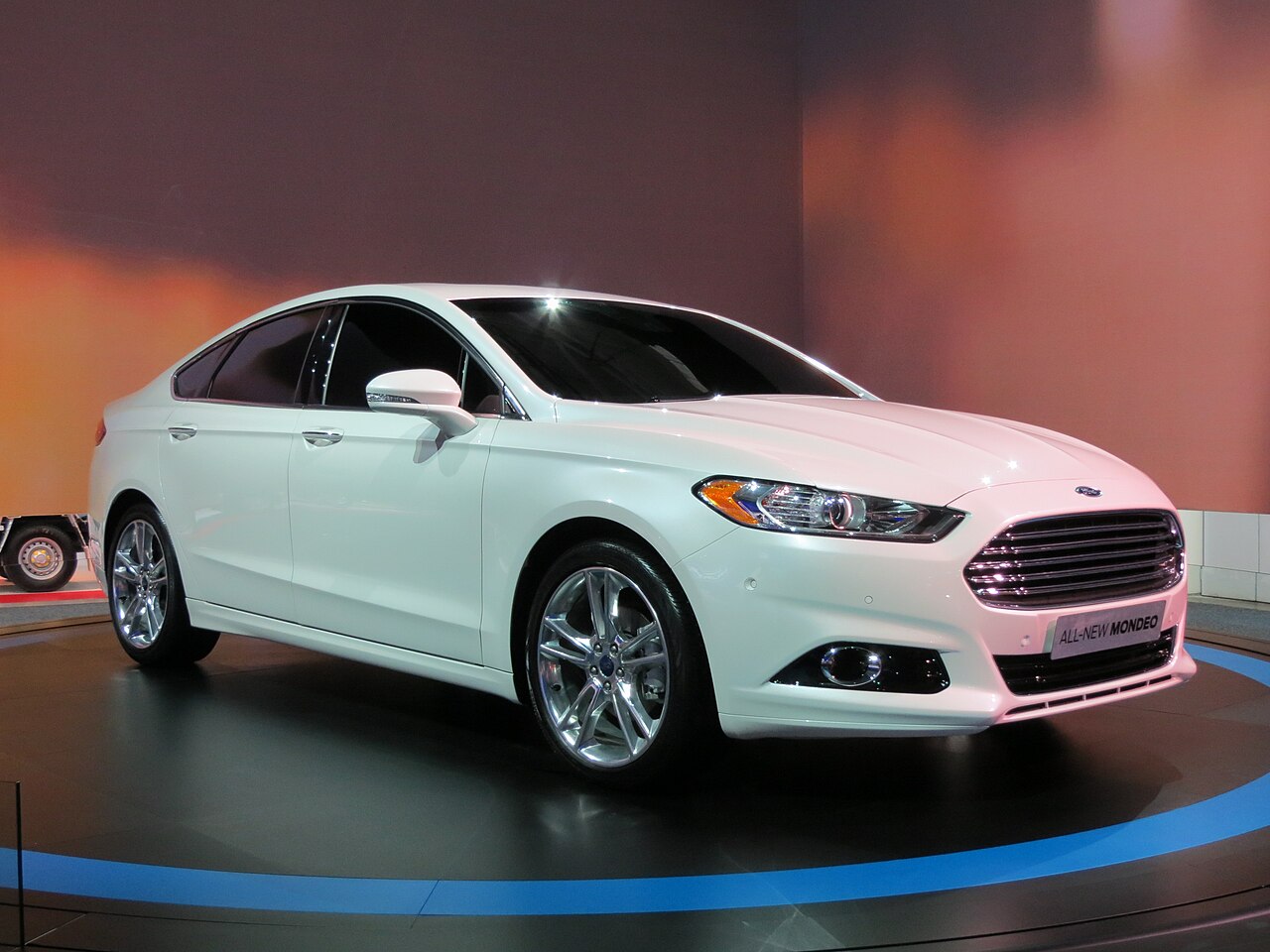
2012 Ford Mondeo Titanium sedan
2012 Ford Mondeo Titanium. Photo by OSX, Public domain, via Wikimedia Commons.

How a Ford Mondeo VIN is put together

The 17 characters are not random. They split into three blocks, and because the layout follows a global standard, the same position always carries the same kind of information. The first three characters are the World Manufacturer Identifier. Most Mondeos begin with WF0, the code for Ford built passenger cars in Europe. Characters four through eight describe the car itself, including the body style, the restraint system and, most usefully, the engine, which is where a Zetec petrol is set apart from an EcoBoost or a TDCi diesel. The ninth character is a check digit calculated from all the others to catch typos and altered numbers. The last eight characters describe the individual car. Position ten is the model year, position eleven is the assembly plant, and the final six characters are the sequential build number. The quick reference below covers the clues you will use most often when you read a Ford Mondeo VIN.

VIN clue What it means
WMI WF0 Ford Mondeo built by Ford in Europe
Position 8 Engine code, for example a Zetec, EcoBoost or TDCi unit
Position 9 Check digit that validates the whole VIN
Position 10 Model year code, for example V is 1997 and F is 2015
Position 11 Assembly plant code, such as Genk or Valencia

You will find the number behind the windscreen on the driver’s side, on the plate in the door jamb, and on the registration paperwork. If those do not agree, that is the first thing worth investigating.

Ford Mondeo VIN position by position

The Mondeo uses the standard seventeen character VIN, so every one reads the same way. Work through it in order and you can pin down the year, the origin and the engine family before you take the advert at its word.

Position Name What it tells you on a Mondeo
1 to 3 World Manufacturer Identifier WF0 marks a Ford built in Europe, the origin of the Mondeo
4 to 8 Vehicle descriptor Body style, trim and engine, where a hatch is separated from an estate and petrol from diesel
9 Check digit A calculated character that validates the rest of the VIN
10 Model year A single character, listed in the chart below
11 Assembly plant The European Ford factory that built the car
12 to 17 Serial number The build sequence unique to that Mondeo

Ford Mondeo model year codes (position 10)

The tenth character gives the model year. Match your letter or number below.

Model year Code in position 10
Ford Mondeo 2007 7
Ford Mondeo 2008 8
Ford Mondeo 2009 9
Ford Mondeo 2010 A
Ford Mondeo 2011 B
Ford Mondeo 2012 C
Ford Mondeo 2013 D
Ford Mondeo 2014 E
Ford Mondeo 2015 F
Ford Mondeo 2016 G
Ford Mondeo 2017 H
Ford Mondeo 2018 J
Ford Mondeo 2019 K
Ford Mondeo 2020 L
Ford Mondeo 2021 M
Ford Mondeo 2022 N

Where to find the VIN on a Ford Mondeo

Read the VIN through the base of the windscreen on the driver side, and check it against the plate or label in the door area. The two should match. On a common car like the Mondeo, a quick VIN read is the simplest way to be sure an advert describes the actual car and its real engine.

Reading a Mondeo VIN in practice

Take a VIN that opens with WF0 and shows E in position ten. That places it as a European built Ford from the 2014 model year. The descriptor characters then show the body and whether it is petrol, diesel or a hybrid, and the closing six digits are the car’s own serial number.

A short history, generation by generation

The Mondeo replaced the Sierra in 1993 and immediately set a new standard for how a family Ford drove, with sharp handling that flattered the badge. The first cars came as saloons, hatchbacks and estates with Zetec petrol engines and a 2.5 V6 at the top of the range. A heavy facelift in 1996 carried the same basic car to the end of the decade, and the larger third generation of 2000 brought the muscular ST220 with its 3.0 V6. The fourth generation of 2007 grew again and leaned on turbocharged EcoBoost petrol engines and TDCi diesels, and the fifth and final generation from 2014 added EcoBlue diesels and a petrol electric hybrid before the model was retired in 2022. The table below sums up the generations at a glance.

Generation Years Body styles Key engines
Ford Mondeo Mk1 1993 to 1996 Saloon, hatchback, estate 1.6 to 2.0 Zetec, 2.5 V6
Ford Mondeo Mk2 1996 to 2000 Saloon, hatchback, estate 1.6 to 2.0 Zetec, 2.5 V6
Ford Mondeo Mk3 2000 to 2007 Saloon, hatchback, estate 1.8 to 2.5, 3.0 ST220, 2.0 TDCi
Ford Mondeo Mk4 2007 to 2014 Saloon, hatchback, estate EcoBoost petrol, 2.0 and 2.2 TDCi
Ford Mondeo Mk5 2014 to 2022 Saloon, hatchback, estate EcoBoost, EcoBlue diesel, hybrid

Ford Mondeo engines and specifications

Because the engine code sits in the middle of the VIN, a proper check confirms the engine the car was born with, which is what you want when you suspect a swap. The figures below cover the main configurations, with power as a range because output changed across model years and trims.

Configuration Years Power Layout
Ford Mondeo 1.8 Zetec 1993 to 2000 about 110 to 115 hp Inline-4 petrol
Ford Mondeo 2.0 EcoBoost 2010 to 2022 about 200 to 240 hp Turbocharged inline-4 petrol
Ford Mondeo 2.0 TDCi 2000 to 2018 about 115 to 180 hp Turbocharged diesel
Ford Mondeo ST220 3.0 V6 2002 to 2007 about 226 hp Naturally aspirated V6
Ford Mondeo 2.5 turbo 2007 to 2014 about 220 hp Turbocharged inline-5
Ford Mondeo 2.0 hybrid 2014 to 2022 about 185 hp combined Petrol electric

Ford Mondeo by model year

Buyers searching for a specific year want to know what they are getting, so the table below maps several model years to their VIN year code, generation and engine options. The same model year letter logic runs across the whole production run.

Model year VIN year code Generation Engine options
Ford Mondeo 1995 S Mk1 1.8 and 2.0 Zetec, 2.5 V6
Ford Mondeo 2000 Y Mk2 1.8 and 2.0 Zetec, 2.5 V6
Ford Mondeo 2005 5 Mk3 1.8 to 2.5, 3.0 ST220, 2.0 TDCi
Ford Mondeo 2010 A Mk4 EcoBoost petrol, 2.0 and 2.2 TDCi
Ford Mondeo 2015 F Mk5 1.0 to 2.0 EcoBoost, 2.0 TDCi, hybrid
Ford Mondeo 2020 L Mk5 1.5 and 2.0 EcoBoost, 2.0 EcoBlue, hybrid

Reliability and the things worth checking

Reliability depends on the engine and how the car was looked after, and you should always run the VIN through the NHTSA recall database or the relevant local recall check. The most common points to check are summarized below.

Engine or area What to check
Ford Mondeo Zetec petrol Tough and simple, watch for age related cooling and ignition wear
Ford Mondeo 2.0 TDCi diesel Strong, but check the dual mass flywheel, injectors and turbo on high mileage cars
Ford Mondeo EcoBoost Generally good, keep on top of cooling and regular oil changes
Ford Mondeo body and suspension Rear suspension bushes and subframe wear, and check older cars for corrosion

Buying a used Ford Mondeo

When you find one worth pursuing, decode the VIN first and make sure the model year, engine and body style line up with the advertisement, then run the same number through a recall check. Confirm the engine matches the badge, since a base car wearing ST trim is not unheard of, and on diesels pay close attention to service history because injectors, turbos and flywheels are the expensive items. A full history and a clean cambelt record are worth paying for. When you are ready, enter your Ford Mondeo VIN in the decoder above to confirm the year, engine, body style and plant, then use the advice here to make sure the car is genuinely what it claims to be.
Ford Model T VIN Decoder: History, Engine and VIN Lookup Guide

Every Ford Model T carries an identification number, and reading it is the quickest way to confirm what a particular car really is before you trust a seller’s description. The Model T was the car that put the world on wheels, built from 1908 to 1927 in enormous numbers and in many body styles, and it is one of the most historically important cars ever made. Built long before the 17 character VIN, the Model T is identified by its serial number, which in this era was the engine number. You can run a Model T number through the decoder at the top of this page, and the guide below explains how the numbering works, covers the engine, and points out what matters most when you check one.

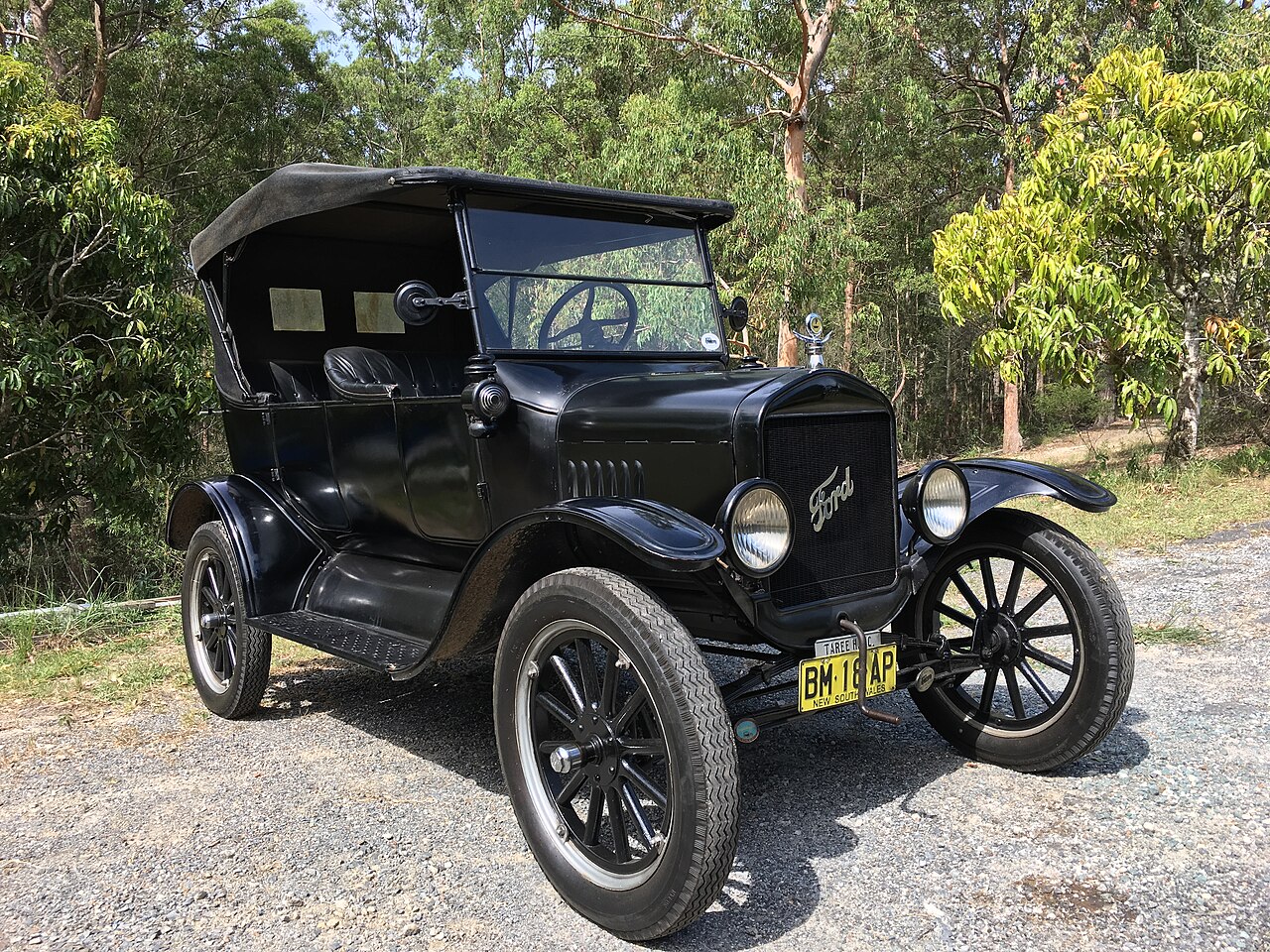
1925 Ford Model T touring car
1925 Ford Model T touring. Photo by ModelTMitch, Public domain, via Wikimedia Commons.

How a Ford Model T VIN is put together

The Model T predates the modern VIN by many decades, so it does not have a 17 character number. Instead the car is identified by its serial number, which Ford stamped as the engine number on the block. That number is what is used to identify the car and place it roughly in the long production run, since Ford built the Model T for nearly twenty years. Because the serial number is the engine number, and because these cars are so old and have often had engines replaced or rebuilt, the number may not always match the rest of the car, which is normal for a Model T and worth understanding. The quick reference below covers the clues you will use most often when you read a Ford Model T number.

VIN clue What it means
Serial number The car’s identifying number, the same as the engine number
Engine block stamping The number is stamped on the engine block
Production period Helps place the car within the 1908 to 1927 run
Body style Touring, runabout, coupe, sedan, pickup and more
Title and paperwork Should be consistent with the car and its history

On a car this old, understanding that the serial number is the engine number is the starting point for identifying it.

How a Ford Model T is identified

The Model T is far older than the seventeen character VIN, so it does not have one at all. Instead each car is identified by its engine number, a serial that Ford stamped into the engine block. In this era the engine was treated as the car, so that number is the closest thing the Model T has to a VIN, and it is what registration and club records are built around. Ford produced these engines in a long unbroken run of numbers, and enthusiast clubs keep charts that turn a given serial into an approximate build date.

Where to find the number on a Ford Model T

Look for the stamped serial on the engine block, on the flat surface just above the water inlet on the left side of the engine. Because the number lives on the engine rather than the chassis, a car that has had an engine change during its long life may no longer carry its original serial, which is worth knowing before you read too much into the number. Always compare the stamping with the paperwork and any club documentation.

Reading a Model T number in practice

Rather than decoding positions as you would on a modern VIN, you match the engine serial against a published Model T number range to place the car within a rough year. The lower the number, the earlier the car, and the earliest cars are the most sought after. A specialist or a Model T club can confirm the date from the serial far more reliably than a quick glance, so treat the number as a starting point and verify it against their records.

A short history of the Ford Model T

The Model T launched in 1908 and changed the world, because Ford’s moving assembly line made it cheap enough for ordinary people to own a car for the first time. It was simple, rugged and easy to fix, sold in a huge range of body styles, and famously available in any colour as long as it was black for much of its life. By the time production ended in 1927, around fifteen million had been built. Its place in history makes even a humble Model T a cherished classic. The table below sums up the car.

Generation Years Body styles Engine
Ford Model T 1908 to 1927 Touring, runabout, coupe, sedan, pickup 2.9 flathead four

Ford Model T engine and specifications

The Model T used one basic engine throughout its life, so confirming it is present and sound is part of checking the car. The figure below covers the engine.

Configuration Years Power Layout
Ford Model T 2.9 four 1908 to 1927 about 20 hp Flathead inline-4

Ford Model T by model year

Buyers searching for a specific year want to know what they are getting, so the table below maps several years across the long production run. The Model T is identified by its serial number, which is the engine number, rather than a modern VIN.

Model year Identification Engine
Ford Model T 1915 serial and engine number 2.9 four
Ford Model T 1920 serial and engine number 2.9 four
Ford Model T 1925 serial and engine number 2.9 four
Ford Model T 1927 serial and engine number 2.9 four

Reliability and the things worth checking

The Model T is famously simple and rugged, with good parts support for such an old car, so the real questions are condition, completeness and how the car has been looked after. The most common points to check are summarized below.

Engine or area What to check
Ford Model T engine Simple and rebuildable, check for wear and that it runs and the unusual planetary transmission works
Ford Model T wood and body Check the wood framing and body for rot and corrosion
Ford Model T completeness Confirm the car is complete, since correct period parts add value
Ford Model T history Understand the car’s history and any restoration work

Buying a used Ford Model T

When you find one worth pursuing, read the serial and engine number and consider it alongside the car’s overall condition and history. Parts and expertise are surprisingly available for a car this old, so condition, completeness and originality will matter most, and it is worth driving one first, since the controls are unlike a modern car. When you are ready, enter your Ford Model T number in the decoder above, then use the advice here to make sure the car is genuinely what it claims to be.
Ford Model A VIN Decoder: History, Engine and VIN Lookup Guide

Every Ford Model A carries an identification number, and reading it is the quickest way to confirm what a particular car really is before you trust a seller’s description. The Model A was Ford’s hugely successful follow up to the Model T, built from 1927 to 1931 in a wide range of body styles, and it remains one of the most popular cars in the classic and hot rod worlds. Built decades before the 17 character VIN, the Model A is identified by its serial number, which in this era was the same as the engine number.

You can run a Model A number through the decoder at the top of this page, and the guide below explains how the numbering works, covers the engine, and points out what matters most when you check one.

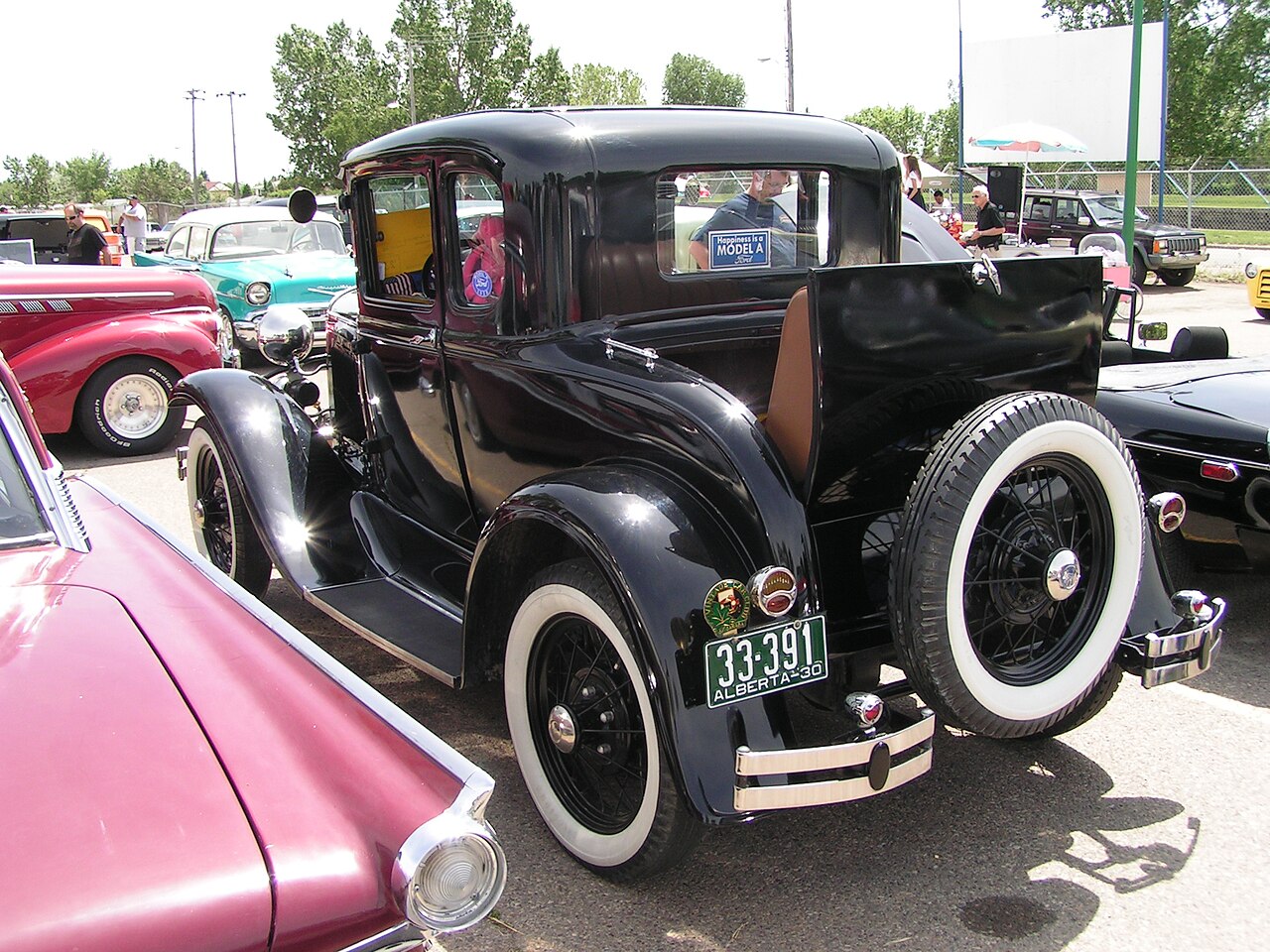
1930 Ford Model A coupe
1930 Ford Model A coupe. Photo by dave_7 from Lethbridge, Canada, CC BY-SA 2.0, via Wikimedia Commons.

How a Ford Model A VIN is put together

The Model A predates the 17 character VIN by half a century, so it does not have a modern VIN. Instead the car is identified by its serial number, which Ford stamped as the engine number on the top of the engine block and also on the frame. That number is what registration and clubs use to identify the car and place it in the production run.

Because the serial number is the engine number, a car whose engine has been changed over the decades may carry a number that does not match its original frame, which is common on cars this old and worth understanding. The quick reference below covers the clues you will use most often when you read a Ford Model A number.

VIN clue What it means
Serial number The car’s identifying number, the same as the engine number
Engine block stamping The number is stamped on top of the block
Frame stamping The number was also stamped on the frame
Body style Roadster, coupe, Tudor, Fordor, phaeton, pickup and more
Title and paperwork Should match the serial number on the car

On a car this old, understanding that the serial number is the engine number, and checking it against the paperwork, is the first thing to do.

A short history of the Ford Model A

The Model A replaced the long running Model T in 1927 and was a huge leap forward, with a more powerful engine, a conventional gearbox and proper styling that came in a remarkable variety of body styles, from open roadsters to closed sedans and pickups. Ford sold millions in just four years. Its simplicity, charm and strong parts support have made it a favourite for restorers and hot rodders alike, and it is one of the easiest prewar cars to own. The table below sums up the car.

Generation Years Body styles Engine
Ford Model A 1927 to 1931 Roadster, coupe, sedan, phaeton, pickup 3.3 flathead four

Ford Model A engine and specifications

The Model A used a single engine throughout its life, so confirming it is present and sound is part of checking the car. The figure below covers the engine.

Configuration Years Power Layout
Ford Model A 3.3 four 1927 to 1931 about 40 hp Flathead inline-4

Ford Model A by model year

Buyers searching for a specific year want to know what they are getting, so the table below maps the production years. The Model A is identified by its serial number, which is the engine number, rather than a modern VIN.

Model year Identification Engine
Ford Model A 1928 serial and engine number 3.3 four
Ford Model A 1929 serial and engine number 3.3 four
Ford Model A 1930 serial and engine number 3.3 four
Ford Model A 1931 serial and engine number 3.3 four

Reliability and the things worth checking

The Model A is famously simple, robust and well supported by parts suppliers, so the real questions are originality, condition and whether the numbers tell a consistent story. The most common points to check are summarized below.

Engine or area What to check
Ford Model A engine number Check the number on the block and frame and understand any mismatch from past engine swaps
Ford Model A mechanicals Simple and rebuildable, with excellent parts support, check for general wear
Ford Model A body and wood Check the body and, where used, the wood framing for rot and corrosion
Ford Model A originality Decide whether you want an original car or an accepted hot rod build, as both are common

Buying a used Ford Model A

When you find one worth pursuing, read the serial and engine number and check it against the car and the paperwork, keeping in mind that the serial number is the engine number, so a replaced engine changes the story. Parts and knowledge are plentiful, so condition and how original or modified the car is will matter most to the price.

When you are ready, enter your Ford Model A number in the decoder above, then use the advice here to make sure the car is genuinely what it claims to be.
The Ford Maverick name covers two very different vehicles, and the VIN is the quickest way to tell which one is in front of you. From 1970 to 1977 the Maverick was a compact car built on Falcon underpinnings. Since 2022 the name has come back on a small unibody pickup. This page walks through both, so you can read the number on either one and know what you are dealing with.

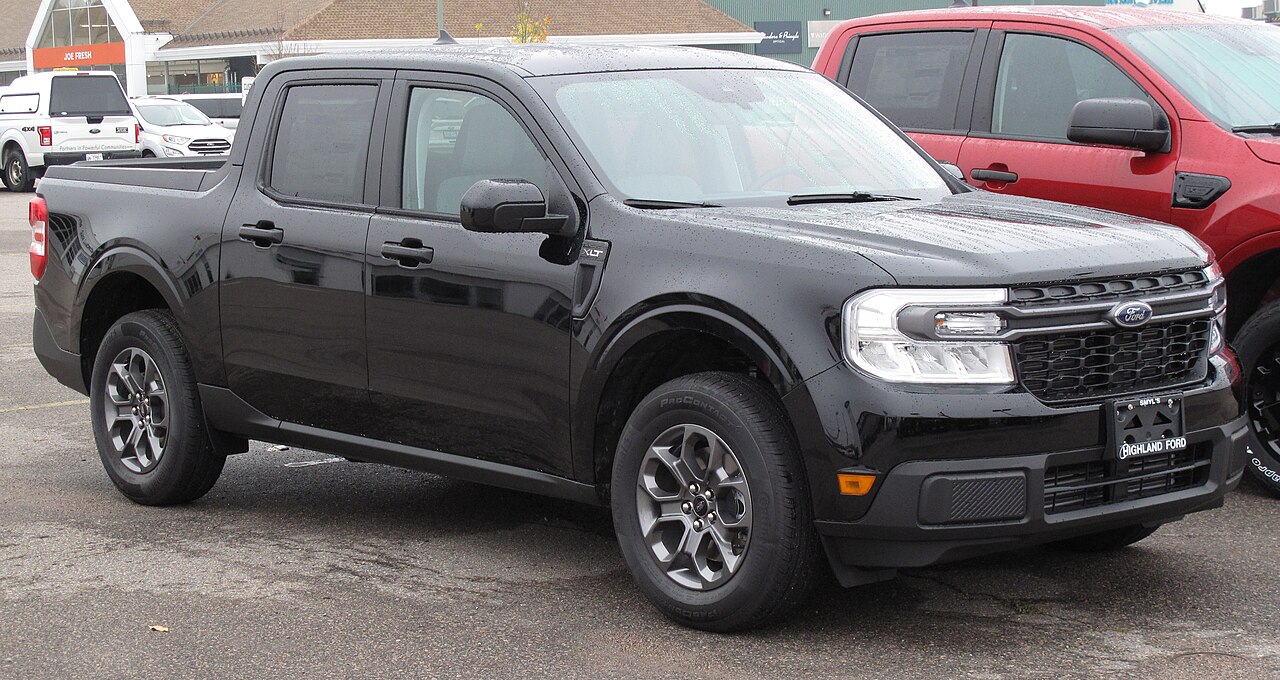
2022 Ford Maverick XLT pickup, front right view
2022 Ford Maverick XLT. Photo by Elise240SX, CC BY-SA 4.0, via Wikimedia Commons.

How a Ford Maverick VIN is put together

Which VIN you are reading depends entirely on the era. The 2022 and later pickup uses the modern seventeen character VIN that every new vehicle carries. The 1970 to 1977 compact predates that system and instead wears a shorter Ford identification number, usually eleven characters, stamped on a plate and on the door data tag. The two do not decode the same way, so the first job is to work out which Maverick you have.

Ford Maverick VIN position by position (2022 and later)

On the current pickup the seventeen characters break down like this. Read them left to right and you can settle the year, the engine and the plant in a few seconds.

Position Name What it tells you on a Maverick
1 to 3 World Manufacturer Identifier 3FT marks a Ford truck built in Mexico, which is where the Maverick is made
4 to 7 Vehicle descriptor Body style, cab, series and restraint details
8 Engine The powertrain code, 3 for the hybrid and 9 for the EcoBoost, as shown below
9 Check digit A calculated character that validates the rest of the VIN
10 Model year A single character, listed in the chart below
11 Assembly plant R for the Hermosillo plant in Sonora, Mexico
12 to 17 Serial number The build sequence unique to that truck

Ford Maverick engine codes (position 8)

The Maverick launched with two powertrains, and position eight tells them apart cleanly. This is worth checking, since the hybrid and the EcoBoost drive and cost very differently on the used market.

Code Engine
3 2.5 litre hybrid four cylinder
9 2.0 litre EcoBoost turbo four cylinder

Ford Maverick model year codes (position 10)

To date a current Maverick, read the tenth character and match it below.

Model year Code in position 10
Ford Maverick 2022 N
Ford Maverick 2023 P
Ford Maverick 2024 R
Ford Maverick 2025 S
Ford Maverick 2026 T

The classic Ford Maverick, 1970 to 1977

The original Maverick arrived in 1970 as a simple, cheap compact aimed at the Volkswagen Beetle and the new imports. It shared much with the Falcon and later the Comet. Early cars used a 170 or 200 straight six, a larger 250 six followed, and from 1971 you could order the 302 V8 that turned the plain Maverick into something with real pace, most famously in the Grabber. Because these cars are from before 1981, the identification number is the older eleven character Ford format. On that number the first character is the model year, the second is the assembly plant, the middle group is the body code, and one character marks the engine. The door data plate spells the same details out in full, so on a classic always check the plate against the stamped number before you trust a claimed V8 car.

Engine Notes
170 and 200 straight six The base engines from launch
250 straight six Added as the larger six
302 V8 Offered from 1971, the engine behind the Grabber

The new Ford Maverick pickup, 2022 onward

The Maverick returned in 2022 as a compact unibody pickup built in Hermosillo, Mexico. It broke the mould by making the hybrid the standard engine, with the 2.0 EcoBoost as the paid upgrade. Ford said most early buyers took the hybrid even at extra cost, which is unusual for a truck. For a used buyer the VIN is the honest way to confirm which powertrain a given truck actually has, since trim badges do not always tell the full story.

Where to find the VIN on a Ford Maverick

On the current pickup, read the VIN through the windshield at the base of the glass on the driver side, and check it against the label in the driver door jamb. On a classic Maverick the number sits on a plate on the door or door pillar and is stamped on the body, and the door data tag carries the matching build codes. If any of these disagree, find out why before you buy.

Reading a Maverick VIN in practice

Take a current truck whose VIN starts with 3FT and shows P in position ten. That already tells you it is a Mexican built Ford truck from the 2023 model year. If position eight is a 3 it left the line as the hybrid, and if it is a 9 it is the 2.0 EcoBoost. An R in position eleven confirms the Hermosillo plant, and the last six digits are the truck’s own serial number.

Reliability and the things worth checking

On the modern pickup the hybrid system and the standard four cylinder engines have proved dependable, and the main things to watch are the usual signs of hard use in a cheap work truck, from worn brakes to a scuffed bed. On a classic the running gear is simple and easy to fix, but rust is the real enemy, so look hard at the floors, the shock towers and the lower body. Matching numbers matter most on the 302 cars, where a genuine V8 Grabber is worth far more than a six with a swapped engine.

Ford Maverick recalls

Below are the main safety recalls recorded for the Ford Maverick pickup by the American road safety regulator, the NHTSA. This is a reference list, not a check of your individual truck. A recall applies only to certain build dates and VIN ranges, so a model year appearing here does not mean every car of that year is affected.

Model years NHTSA number Area Problem and risk
2022 to 2023 22V484 / 23V380 Engine, 2.5L hybrid On hybrid models an engine failure can release oil and fuel vapor near hot parts, which can start a fire in the engine bay. Dealers update the software or replace the engine.
2022 to 2026 26V340 Front suspension Front lower control arm ball joints may be built or repaired wrong, letting the arm separate from the wheel knuckle and causing loss of control. Owners are told not to drive until it is fixed.
2022 21V976 Fuel tank The fuel tank could be drilled through during spray-in bed liner install, causing a leak and fire risk. Tank inspected and replaced as needed.
2024 24V185 Fuel tank An open seam between the two tank molds could let fuel leak. Tanks replaced.
2022 to 2024 24V330 Hybrid transmission Control module software could shift the truck into neutral on its own, causing a loss of drive power. Software update.
2022 to 2023 25V019 / 24V267 12 volt battery The 12 volt battery can degrade and fail suddenly, cutting electrical accessories or drive power. Battery inspected and replaced.
2022 21V979 Rear seat belts Rear seat belt buckles may not be attached properly to the floor, so they may not hold in a crash. Attachments repaired.
2022 22V594 Side curtain airbags The side curtain airbags may not deploy correctly. Modules replaced with a new design.
2024 24V778 Child seat anchors Second row child seat tether anchors may not hold due to incomplete threads. Anchor points repaired.
2023 to 2024 24V594 Wipers The front windshield wiper motor can fail, leaving the wipers inoperative. Motor inspected and replaced.
2022 to 2024 24V684 Rear camera The rearview camera image can freeze while in reverse. Radio software update.
2022 to 2024 25V685 Engine block heater The engine block heater can crack, leak coolant and short out when plugged in, a fire risk. Heater replaced. Owners are told not to plug it in until fixed.

Recall data is published by the NHTSA and changes over time, so treat this as background rather than a substitute for the official record for your VIN.

Check a specific VIN for open recalls: use the official NHTSA recalls lookup or the Ford recall page. Both are free and show whether the work has already been done.

Buying a used Ford Maverick

Decide first which Maverick you actually want, because the two could not be more different to own. The new pickup is a practical daily truck where the choice comes down to hybrid economy against EcoBoost pace, and the VIN settles which one you are looking at. The classic is a project or a weekend car, where originality and a solid shell count for everything. In both cases, run the VIN before you commit so the year, the engine and the history line up with the seller’s story.

The Ford Mainline was the plain, hard working member of the full size Ford family in the 1950s. In the United States it was the base trim of the full size Ford from 1952 to 1956, the car you bought when you wanted the body and the engine without the chrome. In Australia the Mainline name lived on through the decade on a coupe utility, the classic Aussie ute built off the same full size Ford. Whichever one you are looking at, it is a car from well before the modern VIN era, so it is read a little differently from a current Ford.

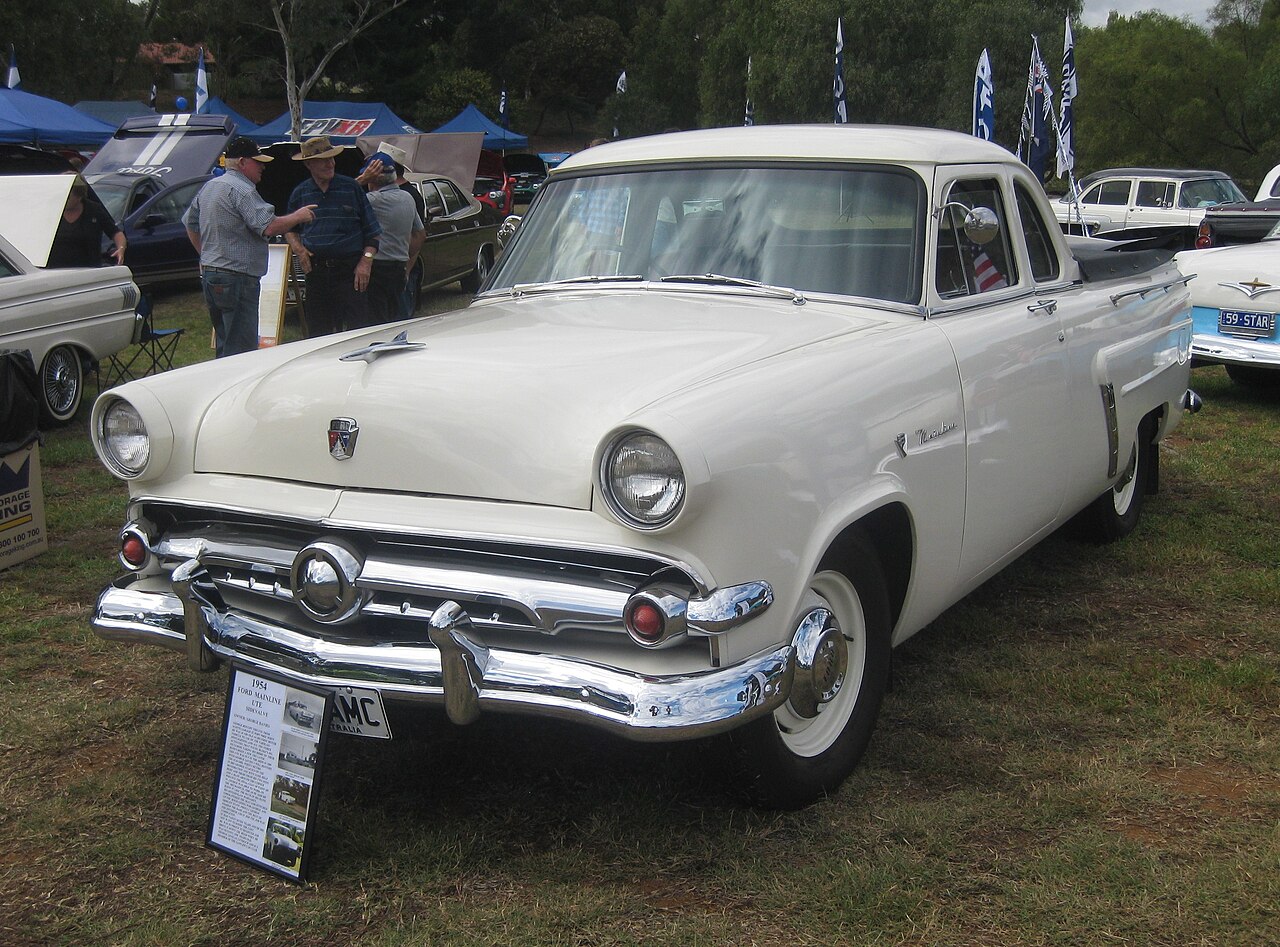
1954 Ford Mainline coupe utility
1954 Ford V8 Mainline coupe utility. Photo by GTHO, CC BY-SA 4.0, via Wikimedia Commons.

How a Ford Mainline VIN is put together

The Mainline predates the seventeen character VIN that came in for the 1981 model year, so it does not carry that layout at all. Instead it wears an older Ford identification number, stamped on the car and set out in full on the data plate. That number still encodes the year, the assembly plant and the engine, but in a shorter form. On a car this old the data plate is the most reliable place to confirm what you have, and it should agree with the stamped number on the body.

What the old Ford number tells you

On these 1950s Fords the identification number and the data plate together spell out the model year, the plant that built the car, the body style and the engine that was fitted. Because there was no single national standard yet, the exact code letters vary by year and by market, which is why the plate matters so much. Restorers lean on year specific Ford reference charts to translate each field rather than reading it straight through like a modern VIN.

Engines in the Ford Mainline

The Mainline was sold with the workhorse Ford engines of the day. Early cars used the venerable flathead V8 and the inline six, and from the mid 1950s the modern overhead valve Y block V8 took over. In Australia the ute followed the same path, which is part of why these are so easy to keep running today.

Engine Notes
Flathead V8 The classic early 1950s side valve V8
Inline six The economy choice
Y block V8 The overhead valve V8 from the mid 1950s, such as the 272 and 292

Where to find the number on a Ford Mainline

Look for the data plate on the door or the door pillar, and for the stamped number on the body and the engine. On a car of this age the paperwork, the plate and the stamped numbers all need to tell the same story. A missing or altered plate makes a car much harder to value, so check carefully before you commit.

Reliability and the things worth checking

Mechanically these are simple, rugged cars that a home mechanic can maintain, and parts for the common engines are still around. Rust is the real problem after seventy years, so look hard at the floors, the lower doors and, on the ute, the tray and its mounts. A solid, complete car is worth far more than a cheap one that needs metalwork.

Buying a used Ford Mainline

These are collector and enthusiast cars now, so condition and originality drive the price. Check that the year, the engine and the body on the data plate line up with the seller’s description, and put a solid shell ahead of a shiny but rusty one. The Australian ute in particular has a strong following, which is worth keeping in mind on both price and parts.

The Ford M151 is not a car you decode with a normal VIN. It is a military vehicle, the MUTT, short for Military Utility Tactical Truck, that Ford developed for the United States Army and that served from 1959 into the 1980s. It replaced the older jeep type trucks and was later built by other contractors too. Because it was made for the army rather than for sale to the public, it is identified by military markings rather than by the seventeen character VIN used on civilian Fords.

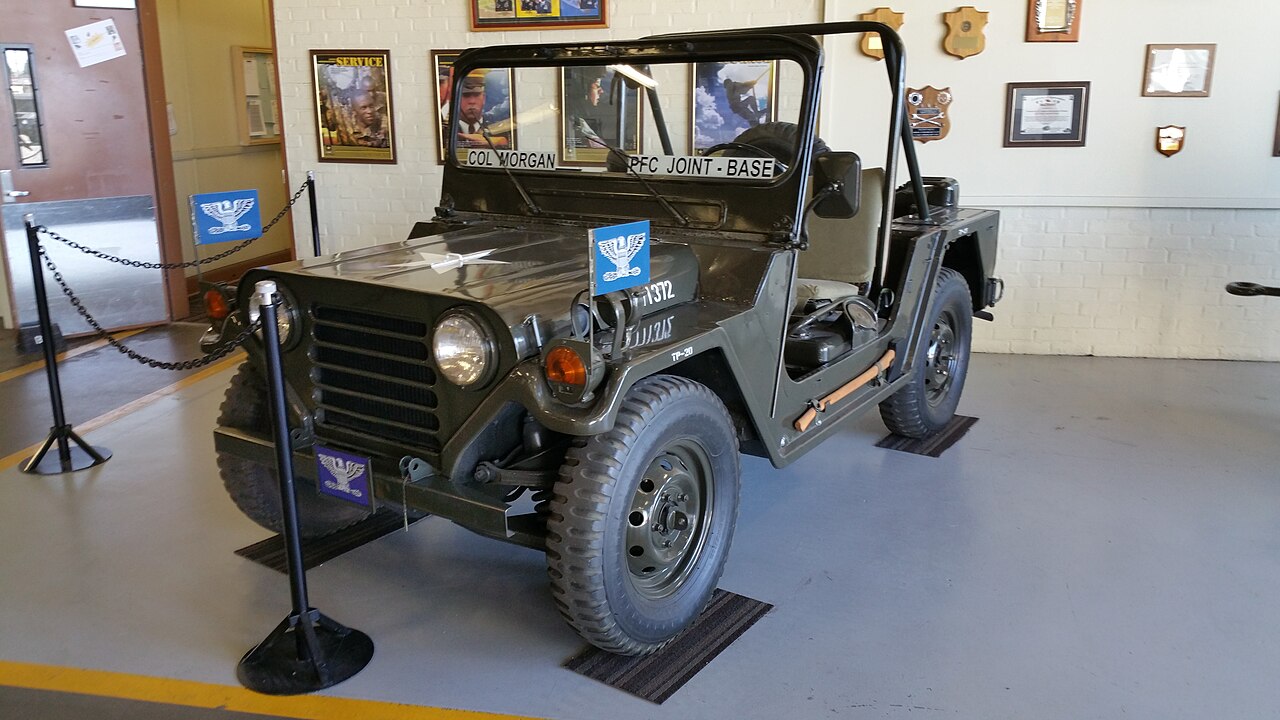
Ford M151 MUTT military utility vehicle
Ford M151 MUTT. Photo by Articseahorse, CC BY-SA 4.0, via Wikimedia Commons.

How a Ford M151 is identified

Instead of a road car VIN, the M151 carries a United States Army registration number and a set of data plates fitted in the vehicle. Those plates record the model, the contract and the serial number, and the registration number is what the military used to track each truck. When one of these passes into private hands, that serial and those plates are what a collector, a restorer or a registration office will work from, so keeping them intact and legible really matters.

What the M151 actually is

The M151 was a compact, light four wheel drive utility truck powered by a four cylinder engine, with independent suspension that made it more capable but, on the early versions, trickier at the limit. The later M151A2 revised the rear suspension to make it safer. Many were never meant to be road legal once retired, and some were released only after being cut up, so the rules around owning and driving one vary a lot by country and state.

Detail Ford M151 MUTT
Type Light military four wheel drive utility truck
In service From 1959 into the 1980s
Engine Four cylinder
Identification US Army registration number and data plates, not a civilian VIN

Where to find the numbers on an M151

Look for the data plates inside the vehicle, typically on the dash or body, and for stamped serial numbers on the frame. Match these against whatever paperwork comes with the truck. On a military vehicle the plates and the frame stamping are the heart of its identity, so a truck that still has clear, matching plates is worth more and is far easier to register.

Buying a Ford M151

Before anything else, check the local rules, because road use of an ex military M151 is restricted in many places and some were sold on condition they never returned to the road. Confirm the data plates and frame numbers are present and match the documents, and buy on the strength of a complete, honest vehicle. As with any restoration project, a solid truck with its identity intact beats a cheap one that is missing its plates.

Ford LTD Crown Victoria VIN Decoder: History, Engines and VIN Lookup Guide

Every Ford LTD Crown Victoria carries a 17 character Vehicle Identification Number, and reading it is the quickest way to confirm what a particular car really is before you trust a listing. The LTD Crown Victoria was Ford’s full-size flagship from 1980 to 1991, built on the rugged Panther platform that later carried the standalone Crown Victoria, and it was a favourite with families, fleets and police forces alike. The VIN settles the model year, the engine the car left the line with, the body style and the plant that built it. You can run any LTD Crown Victoria VIN through the decoder at the top of this page and read the result in a few seconds. The rest of this guide explains how the number is built, walks through the car, and points out what to check when you look one over.

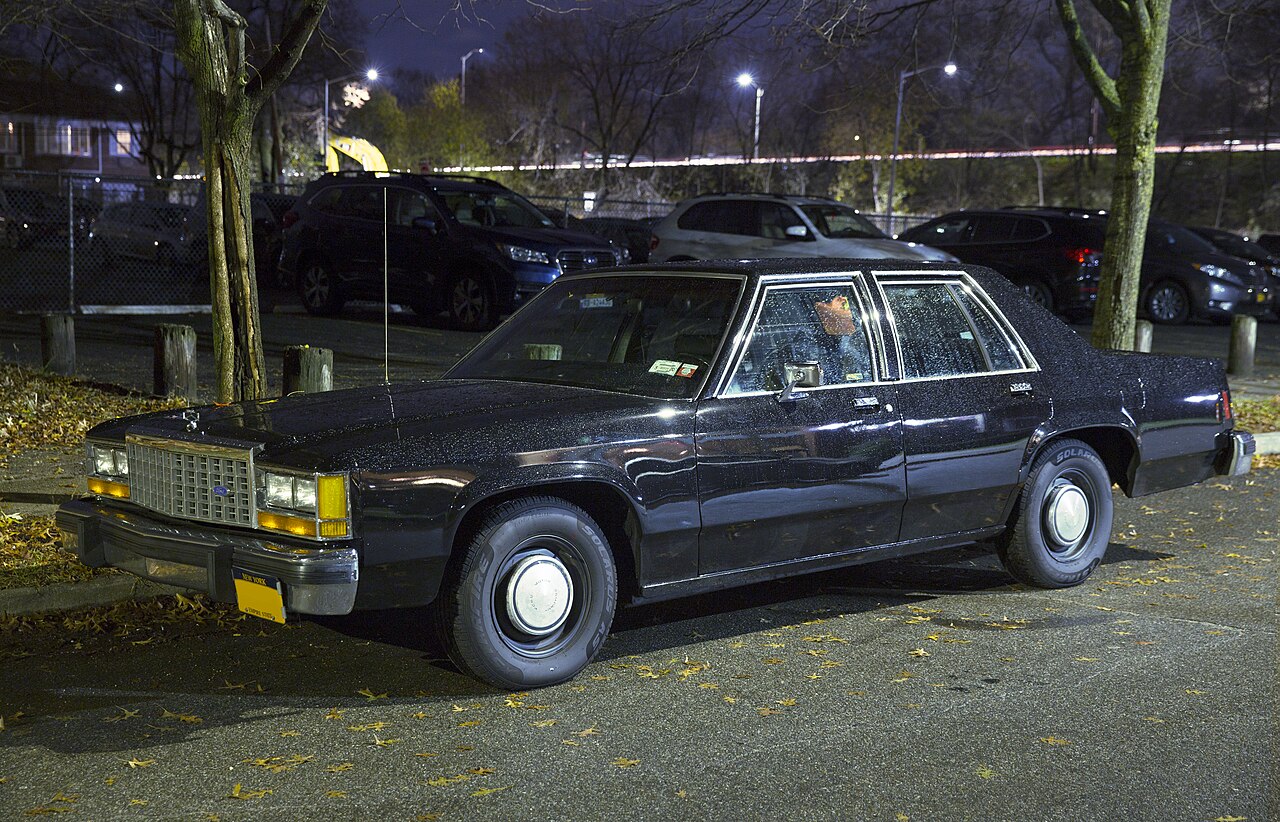
1986 Ford LTD Crown Victoria, front left view
1986 Ford LTD Crown Victoria. Photo by Mr.choppers, CC BY-SA 3.0, via Wikimedia Commons.

How a Ford LTD Crown Victoria VIN is put together

The 17 characters split into three blocks, and because the layout follows a global standard, the same position always carries the same kind of information. The first three characters are the World Manufacturer Identifier, and the LTD Crown Victoria begins with 1FA, the code for Ford built passenger cars in the United States. Characters four through eight describe the car, including the body and the engine, which is where a 5.0 V8 is set apart from the larger 5.8. The ninth character is a check digit that validates the whole number. The last eight characters describe the individual car, with position ten the model year, position eleven the plant and the final six the sequential build number. The quick reference below covers the clues you will use most often when you read a Ford LTD Crown Victoria VIN.

VIN clue What it means
WMI 1FA Ford LTD Crown Victoria built by Ford in the United States
Position 8 Engine code, for example the 5.0 V8 or the 5.8 V8
Position 9 Check digit that validates the whole VIN
Position 10 Model year code, for example G is 1986 and M is 1991
Position 11 Assembly plant code

You will find the number at the base of the windshield, on the certification label in the door jamb and on the title, and matching them is the first check worth doing.

Ford LTD Crown Victoria VIN position by position

The LTD Crown Victoria was the full size Ford of the 1980s, the direct ancestor of the later Crown Victoria, and it uses the seventeen character VIN. Read it in order and you can settle the year, the series and the engine before you trust the advert.

Position Name What it tells you on an LTD Crown Victoria
1 to 3 World Manufacturer Identifier 1FA for a United States built car and 2FA for one built in Canada
4 Restraint system The fitted belt and airbag setup
5 to 7 Line, series and body The P7x code, where P73 is the base sedan and P72 a fleet car
8 Engine The V8 code, the 5.0 litre being the mainstay of these cars
9 Check digit A calculated character that validates the rest of the VIN
10 Model year A single character, listed in the chart below
11 Assembly plant The Ford factory that built the car
12 to 17 Serial number The build sequence unique to that car

Ford LTD Crown Victoria model year codes (position 10)

The tenth character gives the model year. Match your letter below.

Model year Code in position 10
Ford LTD Crown Victoria 1983 D
Ford LTD Crown Victoria 1984 E
Ford LTD Crown Victoria 1985 F
Ford LTD Crown Victoria 1986 G
Ford LTD Crown Victoria 1987 H
Ford LTD Crown Victoria 1988 J
Ford LTD Crown Victoria 1989 K
Ford LTD Crown Victoria 1990 L
Ford LTD Crown Victoria 1991 M

Where to find the VIN on a Ford LTD Crown Victoria

Read the VIN through the windshield at the base of the glass on the driver side and check it against the door jamb label. On a surviving full size car of this era, a quick VIN read confirms the year and body match the advert.

Reading an LTD Crown Victoria VIN in practice

Take a car whose VIN opens with 1FA and shows H in position ten. That marks it as a United States built Ford from the 1987 model year. The series characters then show whether it is a base or fleet car, position eight confirms the V8, and the final six digits are the car’s own serial number.

A short history of the Ford LTD Crown Victoria

The LTD Crown Victoria arrived as the top trim of the downsized full-size Ford, riding on the body on frame Panther platform that prized space, comfort and durability over outright efficiency. Available as a sedan and a wagon, it earned a reputation as a tough, simple workhorse, which is why it was so popular as a taxi and patrol car. It carried on until 1991, when the restyled standalone Crown Victoria took over. The table below sums up the car.

Generation Years Body styles Key engines
Ford LTD Crown Victoria early 1980 to 1987 Sedan, wagon 5.0 and 5.8 V8
Ford LTD Crown Victoria late 1988 to 1991 Sedan, wagon 5.0 V8

Ford LTD Crown Victoria engines and specifications

Because the engine code sits in the middle of the VIN, a proper check confirms the engine the car was born with. The figures below cover the main engines, with power as a range because output changed across model years.

Configuration Years Power Layout
Ford LTD Crown Victoria 5.0 V8 1980 to 1991 about 130 to 160 hp Small-block V8
Ford LTD Crown Victoria 5.8 V8 1980 to 1987 about 150 to 180 hp Windsor V8

Ford LTD Crown Victoria by model year

Buyers searching for a specific year want to know what they are getting, so the table below maps several model years to their VIN year code and engine options. The same model year letter logic runs across the production run.

Model year VIN year code Engine options
Ford LTD Crown Victoria 1983 D 5.0 and 5.8 V8
Ford LTD Crown Victoria 1986 G 5.0 V8
Ford LTD Crown Victoria 1988 J 5.0 V8
Ford LTD Crown Victoria 1990 L 5.0 V8
Ford LTD Crown Victoria 1991 M 5.0 V8

Reliability and the things worth checking

The Panther platform is famous for durability, but every survivor is old now, so condition matters far more than reputation. Always run the VIN through the NHTSA recall database and look closely at the points below.

Engine or area What to check
Ford LTD Crown Victoria 5.0 V8 Tough and easy to service, confirm history and check for overheating
Ford LTD Crown Victoria transmission The automatic is durable, but confirm clean shifts on a high mileage car
Ford LTD Crown Victoria former fleet use Many served as taxis or patrol cars, so check for hard, high mileage use
Ford LTD Crown Victoria body and frame Rust in floors, frame and lower panels is the main enemy on survivors

Buying a used Ford LTD Crown Victoria

When you find one worth pursuing, decode the VIN first and make sure the model year, engine and body line up with the advertisement, then run the same number through the NHTSA recall search. Check whether the car has had a hard fleet life, confirm the engine and transmission are healthy, and inspect the frame and floors for corrosion. When you are ready, enter your Ford LTD Crown Victoria VIN in the decoder above to confirm the year, engine, body and plant, then use the advice here to make sure the car is genuinely what it claims to be.
Ford LTD Country Squire VIN Decoder: History, Engines and VIN Lookup Guide

Every Ford LTD Country Squire carries an identification number, and reading it is the quickest way to confirm what a particular car really is before you trust a seller’s description. The Country Squire was Ford’s full-size woodgrain wagon, the family hauler with the wood-look sides and the clever dual-action tailgate, sold in its LTD form from the late 1960s to 1991. The number confirms the model year, the engine the wagon left the line with and the plant that built it, and from 1980 it follows the modern 17 character VIN. You can run a Country Squire number through the decoder at the top of this page, and the guide below explains how the number is built, walks through the eras, and points out what to check when you look one over.

How a Ford LTD Country Squire VIN is put together

Wagons built before 1980 use a shorter Ford identification number where the first character is the model year, the second is the assembly plant, and further characters give the body and engine codes. From 1980 the Country Squire uses the 17 character VIN, which begins with 1FA for Ford built passenger cars in the United States and places the engine in the middle block and the model year at position ten. The engine code matters most, because it separates a small-block wagon from one of the big-blocks. The quick reference below covers the clues you will use most often when you read a Ford Country Squire number.

VIN clue What it means
First character (pre-1980) Model year, for example 6 is 1976
WMI 1FA (1980 on) Ford LTD Country Squire built by Ford in the United States
Engine code For example a 302, a 351 or a 460 V8
Position 10 (1980 on) Model year code, for example F is 1985 and M is 1991
Assembly plant The factory that built the wagon

On a car this old, matching the number on the data plate with the title and any other stampings is the first check worth doing.

How a Ford LTD Country Squire is identified

The LTD Country Squire was the wood look wagon at the top of the full size Ford range, and it sits across the change to the modern VIN. Cars from the 1981 model year on carry the seventeen character VIN, which begins with 1FA on a United States built Ford passenger car and gives the model year in the tenth character. The earlier cars predate that system and are identified by an older Ford number, stamped on the car and set out on the door data plate.

What the number tells you

On the later cars the seventeen character VIN reads position by position, with the tenth character giving the year. On the earlier cars the stamped number and the data plate together record the year, the plant, the body style and the engine, and restorers translate each field against a year specific Ford chart rather than reading it straight through like a modern VIN.

Where to find the number on a Ford LTD Country Squire

On the later cars the VIN reads through the windshield at the base of the glass on the driver side and repeats on the door jamb label. On the earlier cars look for the data plate on the door or door pillar and the stamped number on the body. On the wood look cars the applied side trim can lift or fade, so factor its condition in alongside checking that the numbers all agree.

A short history, generation by generation

The Country Squire wore Ford’s woodgrain wagon tradition longer than any other model, and as part of the LTD range it became the default big American family wagon of the 1970s. The early cars used big-block V8s, and the move onto the lighter Panther platform in 1979 brought smaller, more efficient engines while keeping the trademark wood-look trim. The wagon soldiered on until 1991, by which point minivans and SUVs had taken its place. The table below sums up the eras.

Generation Years Body Key engines
Ford LTD Country Squire classic 1969 to 1978 Full-size wagon 351 to 460 V8
Ford LTD Country Squire Panther 1979 to 1991 Full-size wagon 302 and 351 V8

Ford LTD Country Squire engines and specifications

Because the engine code is part of the number, a proper check confirms the engine the wagon was born with. The figures below cover the main engines, with power as a range because output changed across the years.

Configuration Years Power Layout
Ford Country Squire 302 V8 1979 to 1991 about 130 to 160 hp Small-block V8
Ford Country Squire 351 V8 1969 to 1991 about 150 to 165 hp Windsor V8
Ford Country Squire 400 and 460 V8 1972 to 1978 about 160 to 220 hp Big-block V8

Ford LTD Country Squire by model year

Buyers searching for a specific year want to know what they are getting, so the table below maps several model years to their year code, era and engine options. Wagons before 1980 use the year digit, while later wagons use the 17 character VIN year code.

Model year Year code Era Engine options
Ford Country Squire 1976 6 Classic 351 to 460 V8
Ford Country Squire 1980 A Panther 302 and 351 V8
Ford Country Squire 1985 F Panther 5.0 V8
Ford Country Squire 1988 J Panther 5.0 V8
Ford Country Squire 1991 M Panther 5.0 V8

Reliability and the things worth checking

These are simple, robust wagons by modern standards, but every survivor is old now, so condition and originality matter far more than mechanical complexity. The most common points to check are summarized below.

Engine or area What to check
Ford Country Squire V8 Durable and easy to service, confirm the engine matches the number and check for overheating
Ford Country Squire tailgate Check the dual-action tailgate and its mechanism work correctly
Ford Country Squire body and frame Rust in floors, the cargo area and lower panels is the main enemy
Ford Country Squire woodgrain trim The wood-look trim is hard to replace, so check its condition

Buying a used Ford LTD Country Squire

When you find one worth pursuing, read the number first and make sure the model year, engine and body line up with the seller’s description and the title. These wagons are increasingly collectible, so condition, original trim and a clean history matter most, and you should check carefully for corrosion in the cargo area and floors. When you are ready, enter your Ford LTD Country Squire number in the decoder above to confirm the year, engine and plant, then use the advice here to make sure the wagon is genuinely what it claims to be.
Fast & Free

Quickly get vehicle details for free.

Reliable Data

We source data from trusted providers.

Global VIN Check

Supports VINs from all over the world.

How to read VIN code?

1
H
G
B
H
4
1
J
X
M
N
1
0
9
1
8
6

What Is a VIN Code for Cars?

A Vehicle Identification Number (VIN) is a unique 17-character code that serves as a car's fingerprint. It contains specific information about the vehicle and is used for identification and tracking purposes.

A VIN provides detailed information about:

  • Manufacturer
  • Model
  • Engine type
  • Production year
  • Assembly plant
  • Serial number

VINs are globally recognized and standardized for vehicle identification.

How Does a VIN Code Work?

A VIN is divided into three main sections, each providing specific information about the vehicle.

1. World Manufacturer Identifier (WMI) - Characters 1-3

This section identifies the manufacturer and country of origin.

Examples: "1HG = Honda, made in the USA", "JHM = Honda, made in Japan"

2. Vehicle Descriptor Section (VDS) - Characters 4-9

This section provides details about the vehicle's model, engine type, body style, and includes a check digit (9th character).

3. Vehicle Identifier Section (VIS) - Characters 10-17

This section reveals the model year (10th character), manufacturing plant (11th), and serial number (12-17).

Examples: "Y in the 10th spot = 2000", "A = 2010", "L = 2020"

Why Is the VIN Important?

VINs are essential for various purposes:

  • Checking vehicle history reports
  • Registering a car
  • Buying or selling a vehicle
  • Insurance purposes
  • Verifying stolen vehicles
  • Recalls and warranty claims

You can typically find the VIN on the dashboard, door frame, or in registration documents.

Want to Decode a VIN?

Ford VIN Decoder is a fast and easy tool to get detailed vehicle information including specifications, manufacturing details, engine type, trim level, and production year.

Decode VIN