VIN Decoder - Check Your VIN Number

Ford Focus VIN Decoder: Full History, Generations and VIN Lookup Guide

Every Ford Focus carries a 17-character Vehicle Identification Number, and decoding it is the quickest way to confirm what a given hatchback or sedan really is before you trust a listing. The VIN reveals the model year, the plant it came from, the engine fitted at the factory, the body style and the safety equipment. On a used Focus this matters most for confirming the engine, separating an ordinary car from a genuine ST or RS, and verifying the model year and market a seller claims. Run any Focus VIN through the decoder above to read it in seconds. The guide below explains how the number is built, walks through the generations, and points out what to check on each.
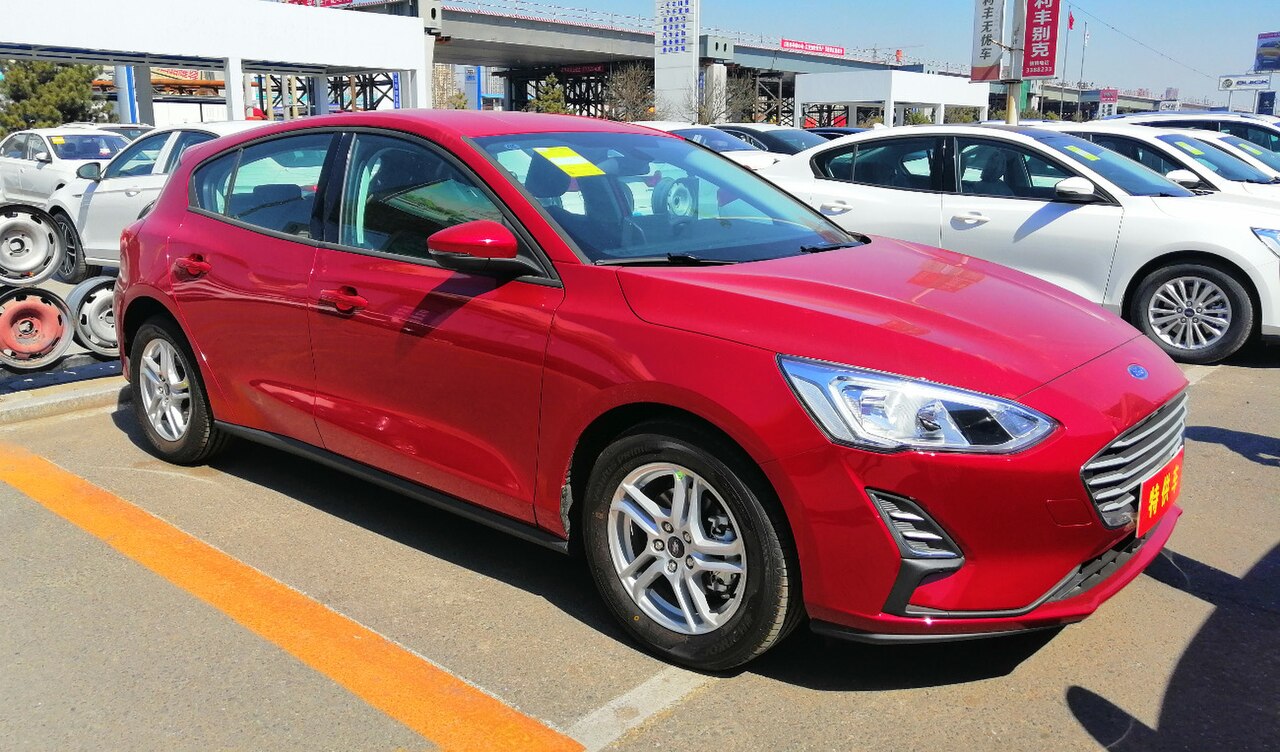
Fourth generation Ford Focus hatchback
Ford Focus, fourth generation. Photo by Navigator84, CC BY-SA 4.0, via Wikimedia Commons.

How a Ford Focus VIN is put together

The 17 characters follow a global standard, so each position carries fixed meaning. The first three are the World Manufacturer Identifier, and because the Focus was built on several continents it can begin in different ways. North American cars built at Michigan Assembly start with 1FA, marking a Ford passenger car made in the United States, while European cars built in Germany typically start with WF0, the identifier for Ford-Werke. Characters four through eight describe the body, restraint system and engine, which is where an ST or RS is separated from a standard car. The ninth character is a check digit, the tenth is the model year, the eleventh is the plant, and the final six are the unique build sequence.

VIN clue What it means
WMI 1FA Ford Focus built as a Ford passenger car in the United States
WMI WF0 Ford Focus built by Ford-Werke in Germany (European cars)
Position 9 Check digit that validates the whole VIN
Position 10 Model year code (for example F is 2015, J is 2018)
Positions 4 to 8 Body style, restraint system and engine family

You will find the VIN at the base of the windshield on the driver’s side, on the door jamb label, and in the registration paperwork.

Ford Focus VIN position by position

The European Focus uses the standard seventeen character VIN. Read it in order and it tells you the origin, the year and the engine family. A quick pass through the number is the surest way to confirm what a car really is before you trust the advert.

Position Name What it tells you on a Focus
1 to 3 World Manufacturer Identifier WF0 marks a Ford built in Europe, the origin of the European Focus
4 to 8 Vehicle descriptor Body style, trim and engine, where a three or five door is separated from an estate and a petrol from a diesel
9 Check digit A calculated character that validates the rest of the VIN
10 Model year A single character, listed in the chart below
11 Assembly plant The European Ford factory that built the car
12 to 17 Serial number The build sequence unique to that Focus

Ford Focus model year codes (position 10)

To date a Focus, read the tenth character and match it below.

Model year Code in position 10
Ford Focus 2005 5
Ford Focus 2006 6
Ford Focus 2007 7
Ford Focus 2008 8
Ford Focus 2009 9
Ford Focus 2010 A
Ford Focus 2011 B
Ford Focus 2012 C
Ford Focus 2013 D
Ford Focus 2014 E
Ford Focus 2015 F
Ford Focus 2016 G
Ford Focus 2017 H
Ford Focus 2018 J

Where to find the VIN on a Ford Focus

On the Focus the VIN reads through the base of the windscreen on the driver side and repeats on a plate or label in the door area, often under the driver or passenger seat on some models as well. Check that the visible number matches the plate and the paperwork, since a mismatch on a common car like this is a clear reason to look more closely.

Reading a Focus VIN in practice

Take a VIN that opens with WF0 and shows D in position ten. That already places it as a European built Ford from the 2013 model year. The descriptor characters then tell you the body and whether it is a petrol or a diesel, and the closing six digits are the car’s own serial number.

A short history, generation by generation

The Focus arrived in Europe for 1998 and in North America for 2000, replacing the Escort with sharper handling and modern styling. It grew into a global model, and the third generation from 2011 was sold worldwide with a wide range of efficient EcoBoost engines plus the hot ST and the all-wheel-drive RS. North American sales ended after 2018, while the fourth generation continued in Europe and other markets.

Generation Years Body Key engines VIN type
Ford Focus first generation 1998 to 2007 Hatchback, sedan, wagon 1.6, 1.8, 2.0 petrol and diesel 17-character
Ford Focus second generation 2004 to 2011 Hatchback, sedan, wagon 1.6 to 2.5 petrol, ST and RS 17-character
Ford Focus third generation 2011 to 2018 Hatchback, sedan, wagon 1.0 to 2.0 EcoBoost, ST, RS 17-character
Ford Focus fourth generation 2018 to 2025 Hatchback, wagon 1.0 and 1.5 EcoBoost, 1.5 diesel WF0, Europe

Ford Focus engines and specifications

Because the engine code sits in the middle of the VIN, a check confirms the engine the car was built with, which is exactly what you want when a seller’s description or badge is unclear.

Configuration Years Power Layout
Ford Focus 1.0 EcoBoost 2012 to 2025 about 100 to 155 hp Turbocharged inline-3
Ford Focus 1.5 EcoBoost 2014 to 2025 about 150 to 182 hp Turbocharged inline-4
Ford Focus 2.0 petrol 2011 to 2018 about 160 hp Naturally aspirated inline-4
Ford Focus ST 2.0 EcoBoost 2013 to 2018 about 252 hp Turbocharged inline-4
Ford Focus RS 2.3 EcoBoost 2016 to 2018 about 350 hp Turbocharged inline-4, all-wheel drive

Ford Focus by model year

The Focus follows the standard VIN year letters, so position ten quickly confirms the year a seller claims for the common third-generation cars.

Model year VIN year code Notable engines
Ford Focus 2013 D 1.0 and 1.6 EcoBoost, 2.0, ST
Ford Focus 2014 E 1.0 EcoBoost, 2.0, ST
Ford Focus 2015 F 1.0 and 1.5 EcoBoost, ST
Ford Focus 2016 G 1.0 and 1.5 EcoBoost, ST, RS
Ford Focus 2017 H 1.0 and 1.5 EcoBoost, ST, RS
Ford Focus 2018 J 1.0 and 1.5 EcoBoost, ST, RS

Reliability and the things worth checking

Reliability depends on the generation and engine, and you should always confirm a specific car against the NHTSA recall database or local equivalent by its VIN.

Area What to check
Ford Focus 1.0 EcoBoost Confirm cooling system condition, as some early units had coolant concerns if neglected
Ford Focus dual-clutch automatic (PowerShift) Some third-generation cars had shudder and control module issues; check shift quality carefully
Ford Focus RS Confirm head gasket condition on early cars and check for hard track use
Ford Focus general Inspect for clutch wear on manuals and verify a clean accident record

A VIN history check together with a careful inspection, especially of the transmission, is the best way to avoid a Focus with a costly hidden fault.

Buying a used Ford Focus

Decode the VIN first and confirm the model year, engine and plant match the advertisement, then run that number through the relevant recall database. Pay close attention to the transmission on automatic third-generation cars, confirm that an ST or RS is genuine through the engine and series codes rather than the badges, and prioritise a complete service history. The hot versions in particular reward a careful check for track use.

Common questions

Buyers often ask how to tell a real Focus ST or RS from a styled standard car, and the answer is in the engine and series codes of the VIN backed up by documentation. People also ask why some Focus VINs start with WF0 instead of 1FA, and the reason is simply that the car was built in Europe rather than the United States. The standard 17-character decoding applies across the Focus range. When you are ready, enter your Ford Focus VIN in the decoder above to confirm the year, engine and configuration before you buy.
Ford Flex VIN Decoder: History, Specifications and VIN Lookup Guide

Every Ford Flex carries a 17-character Vehicle Identification Number, and decoding it is the quickest way to confirm what a given car really is before you trust a listing. The VIN reveals the model year, the plant it came from, the engine fitted at the factory, the body style and the safety equipment. On a used Flex this matters most for confirming whether the car has the standard V6 or the much stronger twin-turbo EcoBoost, and for verifying the model year and drivetrain a seller claims. Run any Flex VIN through the decoder above to read it in seconds. The guide below explains how the number is built, covers the model’s run, and points out what to check.

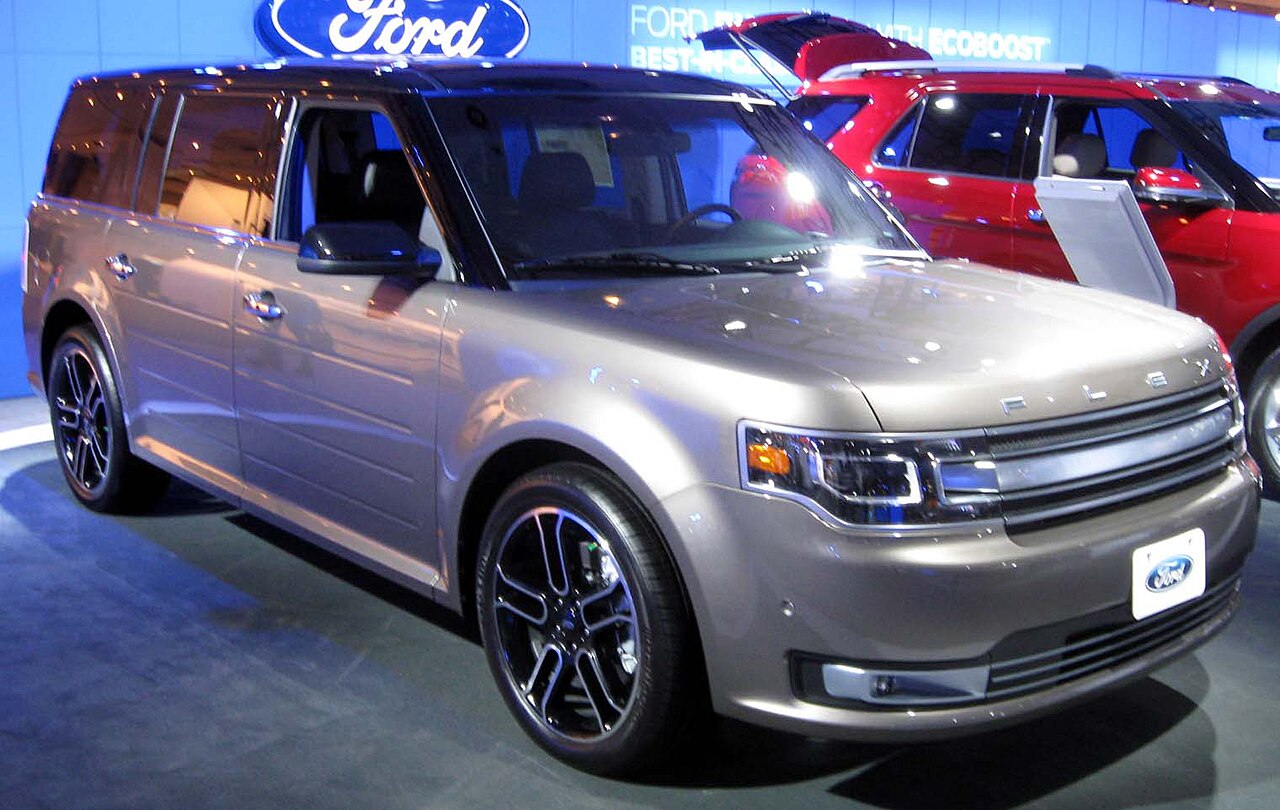
2013 Ford Flex crossover
2013 Ford Flex. Photo by IFCAR, Public domain, via Wikimedia Commons.

How a Ford Flex VIN is put together

The 17 characters follow a global standard, so each position carries fixed meaning. The Flex was built at Oakville, Ontario, so its VIN begins with 2FM, the World Manufacturer Identifier for a Ford sport utility built in Canada. Characters four through eight describe the body, restraint system and engine, which is where the 3.5 V6 is separated from the 3.5 EcoBoost twin-turbo. The ninth character is a check digit, the tenth is the model year, the eleventh is the plant, and the final six are the unique build sequence.

VIN clue What it means
WMI 2FM Ford Flex built as a Ford SUV in Canada (Oakville)
Position 9 Check digit that validates the whole VIN
Position 10 Model year code (for example D is 2013, K is 2019)
Positions 4 to 8 Body style, restraint system and engine family
Positions 12 to 17 Unique sequential build number

You will find the VIN at the base of the windshield on the driver’s side, on the door jamb label, and in the registration paperwork.

Ford Flex VIN position by position

The Flex is a large boxy crossover built in Canada, and it uses the seventeen character VIN throughout. Read it in order and you can fix the year, the plant and the engine before you trust the advert.

Position Name What it tells you on a Flex
1 to 3 World Manufacturer Identifier 2FM marks a Ford SUV built in Canada, at Oakville in Ontario, where the Flex was made
4 to 7 Vehicle descriptor Trim, body and drive layout, where front drive is separated from all wheel drive
8 Engine The engine code, either the standard V6 or the EcoBoost, read with the year
9 Check digit A calculated character that validates the rest of the VIN
10 Model year A single character, listed in the chart below
11 Assembly plant The Ford factory that built the car
12 to 17 Serial number The build sequence unique to that Flex

Ford Flex model year codes (position 10)

The tenth character gives the model year. Match your letter or number below.

Model year Code in position 10
Ford Flex 2009 9
Ford Flex 2010 A
Ford Flex 2011 B
Ford Flex 2012 C
Ford Flex 2013 D
Ford Flex 2014 E
Ford Flex 2015 F
Ford Flex 2016 G
Ford Flex 2017 H
Ford Flex 2018 J
Ford Flex 2019 K

Where to find the VIN on a Ford Flex

Read the VIN through the windshield at the base of the glass on the driver side, and check it against the label in the driver door jamb. The two should match. A quick VIN read is the easiest way to confirm whether a Flex has the standard V6 or the stronger EcoBoost before you go by the badges.

Reading a Flex VIN in practice

Take a VIN that starts with 2FM and shows E in position ten. That marks it as a Canadian built Ford SUV from the 2014 model year. Position eight then tells you whether it left the line with the V6 or the EcoBoost, and the final six digits are the car’s own serial number.

History of the Ford Flex

The Flex arrived for 2009 as a distinctive, low-roofed three-row crossover whose boxy styling set it apart from every other family hauler. It ran as a single generation through 2019, with a styling and technology update in 2013 that is the easiest way to date a car by eye. Throughout its life it offered a roomy seven-seat cabin and, in its strongest form, genuinely quick performance from a twin-turbo V6.

Phase Years Body Key engines VIN type
Ford Flex pre-facelift 2009 to 2012 Three-row crossover 3.5 V6, 3.5 EcoBoost V6 2FM, Oakville
Ford Flex facelift 2013 to 2019 Three-row crossover 3.5 V6, 3.5 EcoBoost V6 2FM, Oakville

Ford Flex engines and specifications

Because the engine code sits in the middle of the VIN, a check confirms the engine the car was built with, which is exactly what you want when a listing does not make clear whether it is the standard or the turbocharged car.

Configuration Years Power Layout
Ford Flex 3.5 V6 2009 to 2019 about 262 to 287 hp Naturally aspirated V6
Ford Flex 3.5 EcoBoost V6 2010 to 2019 about 355 to 365 hp Twin-turbo V6, all-wheel drive

Ford Flex by model year

The Flex follows the standard VIN year letters, so position ten quickly confirms the year a seller claims.

Model year VIN year code Engine options
Ford Flex 2013 D 3.5 V6, 3.5 EcoBoost V6
Ford Flex 2015 F 3.5 V6, 3.5 EcoBoost V6
Ford Flex 2017 H 3.5 V6, 3.5 EcoBoost V6
Ford Flex 2018 J 3.5 V6, 3.5 EcoBoost V6
Ford Flex 2019 K 3.5 V6, 3.5 EcoBoost V6

Reliability and the things worth checking

The Flex is generally well regarded, but confirm a specific car against the NHTSA recall database by its VIN.

Area What to check
Ford Flex 3.5 EcoBoost V6 Confirm cooling and turbo health, plus service history, on the higher-performance cars
Ford Flex transmission Confirm smooth shifts on a road test, especially on higher-mileage examples
Ford Flex all-wheel-drive system Listen for driveline noise and confirm the system engages properly
Ford Flex general Inspect for family wear and verify any open recalls by VIN

A VIN history check together with a careful inspection is the best way to avoid a Flex that has had a hard or poorly documented life.

Ford Flex recalls

Below are notable safety recalls recorded for the Ford Flex by the American road safety regulator, the NHTSA. This is a reference list, not a check of your individual car. A recall applies only to certain build dates and VIN ranges, so a model year here does not mean every car of that year is affected.

Model years NHTSA number Area Problem and risk
2013 to 2014 14V393 Driveline The halfshaft retention clip may be installed wrong, so the halfshaft can slip out while driving. That means loss of drive power, and a rollaway risk if Park is used without the parking brake. Halfshaft inspected and repaired.
2013 13V227 / 15V812 Fuel delivery module The fuel delivery module can crack and leak fuel, a fire risk near an ignition source. Module replaced.
2013 to 2015, 3.5L EcoBoost 16V621 Fuel pump module A part in the fuel pump electric module can overheat and cut power to the pump, stalling the engine or preventing a start. Module inspected and replaced.
2011 to 2013 15V340 Power steering The electric power steering can shut down from a sensor fault, so more steering effort is needed at low speed. Module checked, gear replaced or software updated.
2013 to 2018, SHO and Police 20V072 Rear suspension On performance and Police versions the rear suspension toe links can fracture, causing a sudden change in handling. Toe links replaced.

Recall data is published by the NHTSA and changes over time, so treat this as background rather than a substitute for the official record for your VIN.

Check a specific VIN for open recalls: use the official NHTSA recalls lookup or the Ford recall page. Both are free and show whether the work has already been done.

Buying a used Ford Flex

Decode the VIN first and confirm the model year, engine and drivetrain match the advertisement, then run that number through the NHTSA recall search. Decide whether you want the smooth standard V6 or the considerably faster EcoBoost, confirm the engine through the VIN rather than the badge, and prioritise a complete service history on a three-row family vehicle that may have worked hard.

Common questions

Buyers often ask how to tell an EcoBoost Flex from a standard one, and the answer is in the engine code within the VIN rather than the trim badges, since the turbocharged car is significantly quicker and worth confirming. People also ask why the VIN starts with 2 rather than 1, and the reason is simply that the Flex was built in Canada rather than the United States. The standard 17-character decoding applies across the Flex range from 2009 to 2019. When you are ready, enter your Ford Flex VIN in the decoder above to confirm the year, engine and configuration before you buy.
Ford Five Hundred VIN Decoder: History, Engines and VIN Lookup Guide

Every Ford Five Hundred carries a 17-character Vehicle Identification Number, and decoding it is the quickest way to confirm what a given car really is before you trust a listing. The VIN reveals the model year, the plant it came from, the engine fitted at the factory, the body and the safety equipment. On the Five Hundred this matters most for confirming the drivetrain, telling front-wheel drive from all-wheel drive, and verifying the model year a seller claims. Run any Five Hundred VIN through the decoder above to read it in seconds. The guide below explains how the number is built, covers the model’s run, and points out what to check.

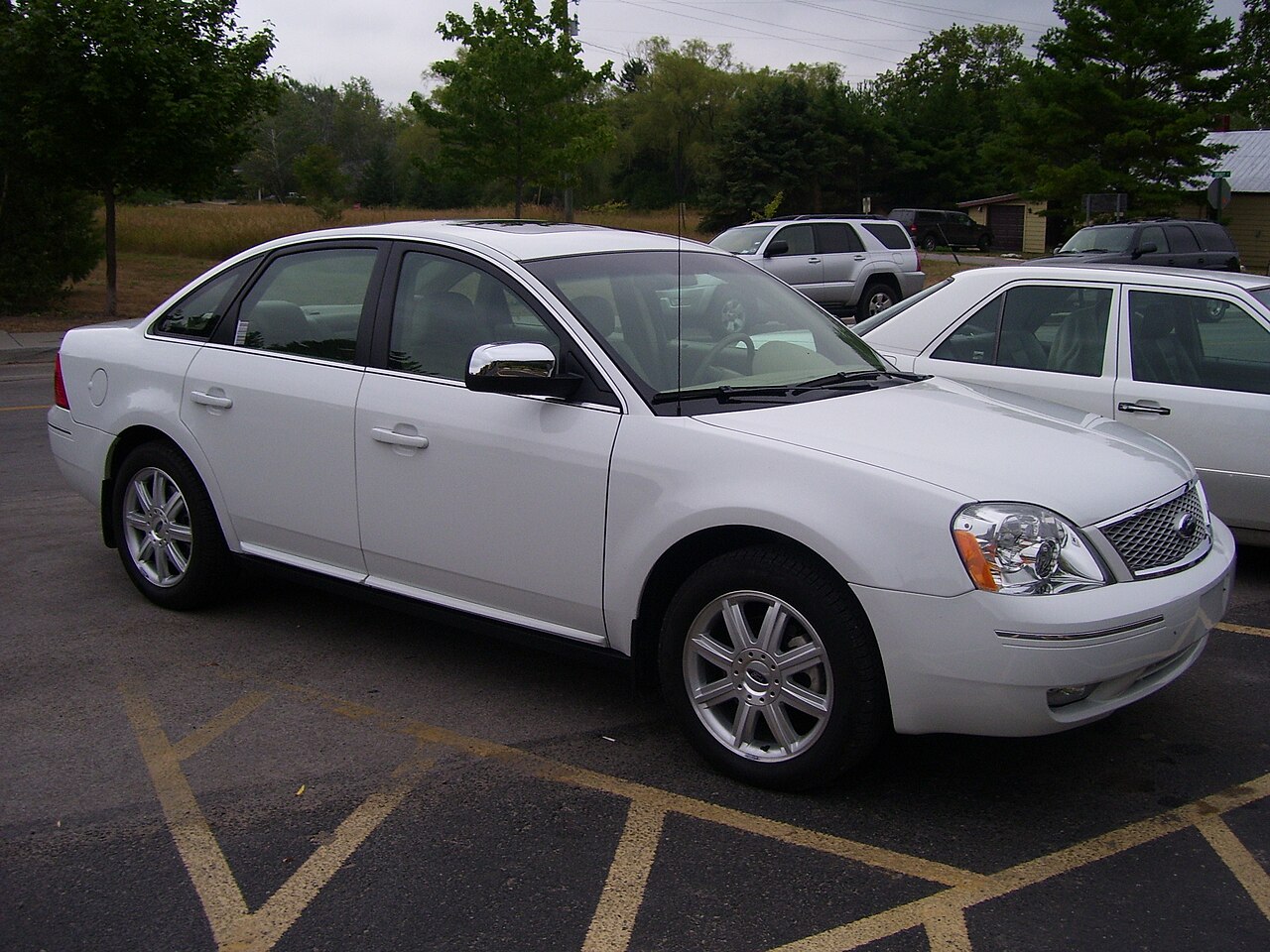
2006 Ford Five Hundred sedan
2006 Ford Five Hundred. Photo by Crazytales, CC BY-SA 3.0, via Wikimedia Commons.

How a Ford Five Hundred VIN is put together

The 17 characters follow a global standard, so each position carries fixed meaning. The Five Hundred was built at Chicago in the United States, so its VIN begins with 1FA, marking a Ford passenger car built in the United States. Characters four through eight describe the body, the restraint system, the drivetrain and the engine, which is the 3.0 V6. The ninth character is a check digit, the tenth is the model year, the eleventh is the plant, and the final six are the unique build sequence.

VIN clue What it means
WMI 1FA Ford Five Hundred built as a Ford car in the United States
Position 9 Check digit that validates the whole VIN
Position 10 Model year code (for example 5 is 2005, 7 is 2007)
Positions 4 to 8 Body, drivetrain, restraint system and engine
Positions 12 to 17 Unique sequential build number

You will find the VIN at the base of the windshield on the driver’s side, on the door jamb label, and in the registration paperwork.

Ford Five Hundred VIN position by position

The Five Hundred was a large American sedan built for a short run in the mid 2000s, and it uses the seventeen character VIN. Read it in order and you can settle the year, the plant and the drive layout before you trust the advert.

Position Name What it tells you on a Five Hundred
1 to 3 World Manufacturer Identifier 1FA marks a Ford passenger car built in the United States
4 to 8 Vehicle descriptor Body, trim and drive layout, where front drive is separated from all wheel drive
9 Check digit A calculated character that validates the rest of the VIN
10 Model year A single character, listed in the chart below
11 Assembly plant The Ford factory that built the car
12 to 17 Serial number The build sequence unique to that car

Ford Five Hundred model year codes (position 10)

The Five Hundred ran for three model years, and the tenth character reads as follows.

Model year Code in position 10
Ford Five Hundred 2005 5
Ford Five Hundred 2006 6
Ford Five Hundred 2007 7

Where to find the VIN on a Ford Five Hundred

Read the VIN through the windshield at the base of the glass on the driver side, and check it against the label in the driver door jamb. The two should match. Because this was a sensible, high mileage family car, a quick VIN read is the simplest way to confirm the year and drive layout match the advert.

Reading a Five Hundred VIN in practice

Take a VIN that starts with 1FA and shows 6 in position ten. That marks it as a United States built Ford passenger car from the 2006 model year. The descriptor characters then tell you whether it is front or all wheel drive, and the final six digits are the car’s own serial number.

About the Ford Five Hundred

The Five Hundred was Ford’s full-size sedan from 2005 to 2007, notable for its tall, roomy cabin, available all-wheel drive and a high seating position. It used a 3.0 V6 with a choice of transmissions, and after 2007 Ford renamed it the Taurus, so the Five Hundred name covers just these three model years.

Phase Years Body Engine VIN type
Ford Five Hundred 2005 to 2007 Full-size sedan 3.0 Duratec V6, front or all-wheel drive 1FA, Chicago

Ford Five Hundred engines and specifications

Because the engine and drivetrain are encoded in the VIN, a check confirms what the car was built with, which matters for parts and value.

Configuration Years Power Drivetrain
Ford Five Hundred 3.0 V6 (FWD) 2005 to 2007 about 203 hp Front-wheel drive
Ford Five Hundred 3.0 V6 (AWD) 2005 to 2007 about 203 hp All-wheel drive

Ford Five Hundred by model year

The Five Hundred follows the standard VIN year characters, so position ten quickly confirms the year a seller claims.

Model year VIN year code Notes
Ford Five Hundred 2005 5 First model year
Ford Five Hundred 2006 6 Mid-cycle
Ford Five Hundred 2007 7 Final year before the Taurus name returned

Reliability and the things worth checking

The Five Hundred is generally dependable, but as an older car its condition matters. Confirm a specific car against records by its VIN where possible.

Area What to check
Ford Five Hundred 3.0 V6 Confirm cooling system health and general maintenance
Ford Five Hundred CVT transmission Some cars used a CVT; confirm smooth operation on a road test
Ford Five Hundred all-wheel drive On AWD cars, confirm the system engages quietly and correctly
Ford Five Hundred general Inspect for rust and confirm a clean accident record

A VIN check together with a careful inspection is the best way to choose a good Five Hundred, with particular attention to the transmission.

Ford Five Hundred recalls

The Ford Five Hundred was a short lived model, from 2005 to 2007, and it has very few safety recalls on record with the American road safety regulator, the NHTSA. It shares its platform with the Ford Freestyle and later the Taurus X, so it is worth checking the VIN against those related campaigns too, for example the cold weather door latch issue recorded on the Freestyle.

Because a recall only applies to certain build dates and VIN ranges, a VIN check is the reliable way to see whether anything is open on a specific car. Recall data is published by the NHTSA and changes over time, so treat this as background rather than a substitute for the official record for your VIN.

Check a specific VIN for open recalls: use the official NHTSA recalls lookup or the Ford recall page. Both are free and show whether the work has already been done.

Buying a used Ford Five Hundred

Decode the VIN first and confirm the model year and drivetrain match the advertisement. Decide whether you want front-wheel or all-wheel drive, confirm the transmission works smoothly, and prioritise a clean body and documented service history on a sedan of this age. When you are ready, enter your Ford Five Hundred VIN in the decoder above to confirm the year, engine and configuration before you buy.
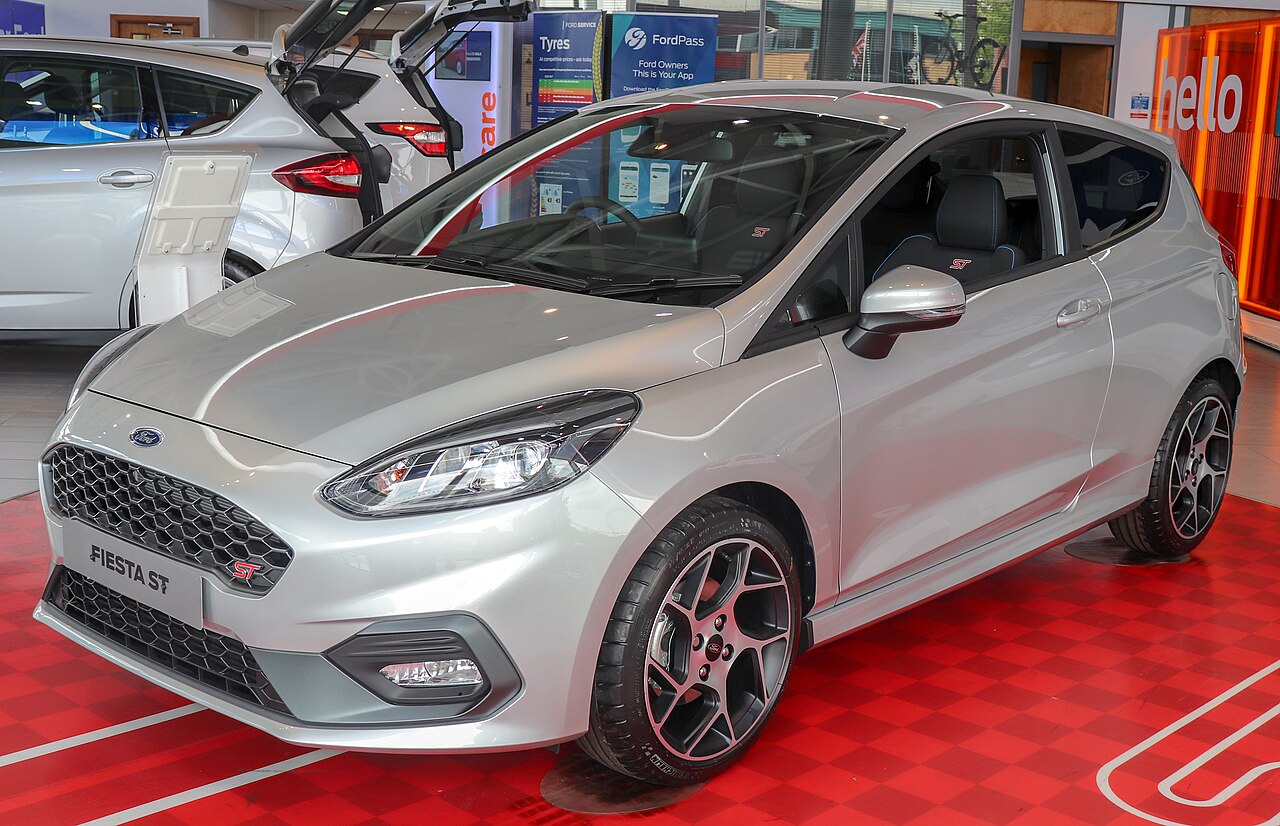
Ford Figo VIN Decoder: Generations, Engines and VIN Lookup Guide

Every Ford Figo carries a 17-character Vehicle Identification Number, and decoding it is the quickest way to confirm what a given car really is before you trust a listing. The VIN reveals the model year, the country and plant it came from, the engine fitted at the factory, the body and the safety equipment. On the Figo this matters most for confirming the engine, telling petrol from diesel, and verifying the model year a seller claims. Run any Figo VIN through the decoder above to read it in seconds. The guide below explains how the number is built, walks through the generations, and points out what to check.

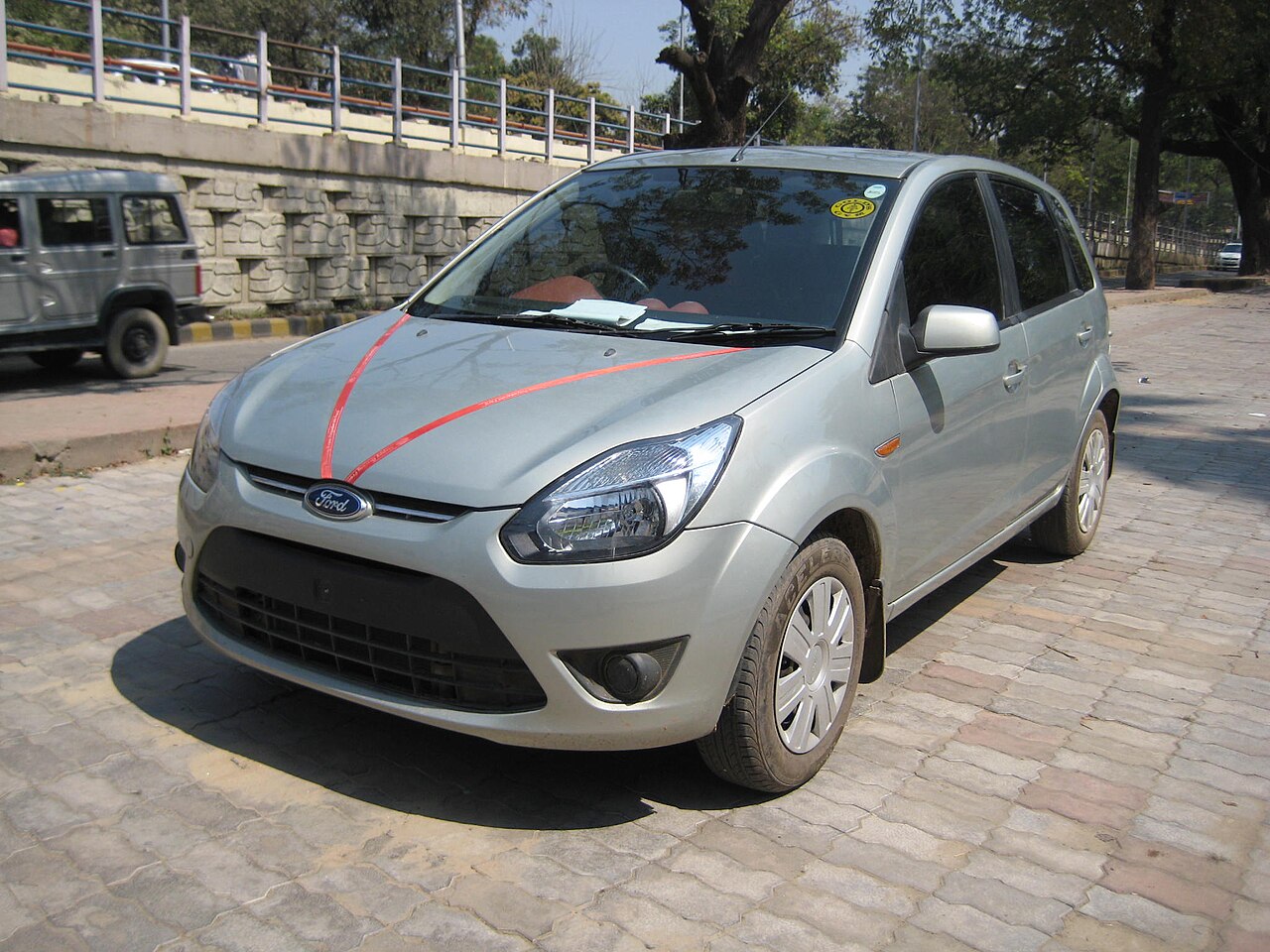
Ford Figo hatchback, front view
Ford Figo. Photo by OnkelFordTaunus, CC BY-SA 3.0, via Wikimedia Commons.

How a Ford Figo VIN is put together

The 17 characters follow a global standard, so each position carries fixed meaning. The Figo is built mainly in India and Brazil, so its World Manufacturer Identifier reflects that origin rather than a United States code. Characters four through eight describe the body, the restraint system and the engine, which is where a petrol unit is separated from a diesel. The ninth character is a check digit, the tenth is the model year, the eleventh is the plant, and the final six are the unique build sequence.

VIN clue What it means
Positions 1 to 3 Manufacturer and country code, showing where the Figo was built
Position 9 Check digit that validates the whole VIN
Position 10 Model year code
Positions 4 to 8 Body, restraint system and engine family
Positions 12 to 17 Unique sequential build number

You will find the VIN at the base of the windshield on the driver’s side, on the door jamb label, and in the registration paperwork.

Ford Figo VIN position by position

The Figo is a small car built mainly for India and other emerging markets, and it uses the seventeen character VIN. Because it was built in more than one country, the VIN is useful for confirming the origin as well as the year.

Position Name What it tells you on a Figo
1 to 3 World Manufacturer Identifier The country and maker, for example MAJ for a car built in India, with other codes for cars built in Brazil or South Africa
4 to 8 Vehicle descriptor Body, trim and engine
9 Check digit A calculated character that validates the rest of the VIN
10 Model year A single character, listed in the chart below
11 Assembly plant The factory that built the car
12 to 17 Serial number The build sequence unique to that Figo

Ford Figo model year codes (position 10)

The tenth character gives the model year. Match your letter or number below.

Model year Code in position 10
Ford Figo 2010 A
Ford Figo 2011 B
Ford Figo 2012 C
Ford Figo 2015 F
Ford Figo 2016 G
Ford Figo 2017 H
Ford Figo 2018 J
Ford Figo 2019 K
Ford Figo 2020 L
Ford Figo 2021 M

Where to find the VIN on a Ford Figo

Read the VIN through the base of the windscreen on the driver side and check it against the plate or label in the door area. Because these were sold across many markets and some reach other countries as imports, matching the number on the car to the documents is worth doing.

Reading a Figo VIN in practice

Take a VIN that starts with MAJ and shows H in position ten. That already tells you it is an Indian built Ford from the 2017 model year. The descriptor characters then show the engine and trim, and the closing six digits are the car’s own serial number.

Generations of the Ford Figo

The Figo is Ford’s small, affordable car for emerging markets such as India, Brazil and South Africa. The first generation arrived in 2009 based on an earlier Fiesta, and the second generation from 2015 modernised the hatchback and added a related sedan, offering efficient petrol and diesel engines at a low price.

Generation Years Body Key engines VIN type
Ford Figo first generation 2009 to 2015 Hatchback 1.2 petrol, 1.4 diesel 17-character
Ford Figo second generation 2015 to 2021 Hatchback and sedan 1.2 and 1.5 petrol, 1.5 diesel 17-character

Ford Figo engines and specifications

Because the engine code sits in the middle of the VIN, a check confirms the engine the car was built with, which is exactly what you want when a listing is vague about the unit or fuel type.

Configuration Years Power Fuel
Ford Figo 1.2 petrol 2009 to 2021 about 88 to 96 hp Petrol
Ford Figo 1.5 petrol 2015 to 2021 about 110 to 123 hp Petrol
Ford Figo 1.4 diesel 2009 to 2015 about 68 hp Diesel
Ford Figo 1.5 diesel 2015 to 2021 about 100 hp Diesel

Ford Figo by model year

The Figo follows the standard VIN year characters, so position ten quickly confirms the year a seller claims.

Model year VIN year code Generation
Ford Figo 2012 C First generation
Ford Figo 2016 G Second generation
Ford Figo 2018 J Second generation
Ford Figo 2020 L Late second generation
Ford Figo 2021 M Final model year

Reliability and the things worth checking

The Figo is simple and economical, so condition matters most. Confirm a specific car against local records by its VIN where possible.

Area What to check
Ford Figo engine Confirm cooling system and cam belt or chain service depending on the engine
Ford Figo automatic Where a dual-clutch automatic is fitted, test shift quality carefully
Ford Figo bodywork Inspect for accident repair and kerb damage common on small city cars
Ford Figo general Confirm the identification details match and a tidy service record

A VIN check together with a careful inspection is the best way to choose a sound Figo.

Buying a used Ford Figo

Decode the VIN first and confirm the model year, engine and origin match the advertisement. On this affordable small car, condition and a tidy service history matter most, and confirming the engine through the VIN helps when planning parts and maintenance. When you are ready, enter your Ford Figo VIN in the decoder above to confirm the year, engine and configuration before you buy.
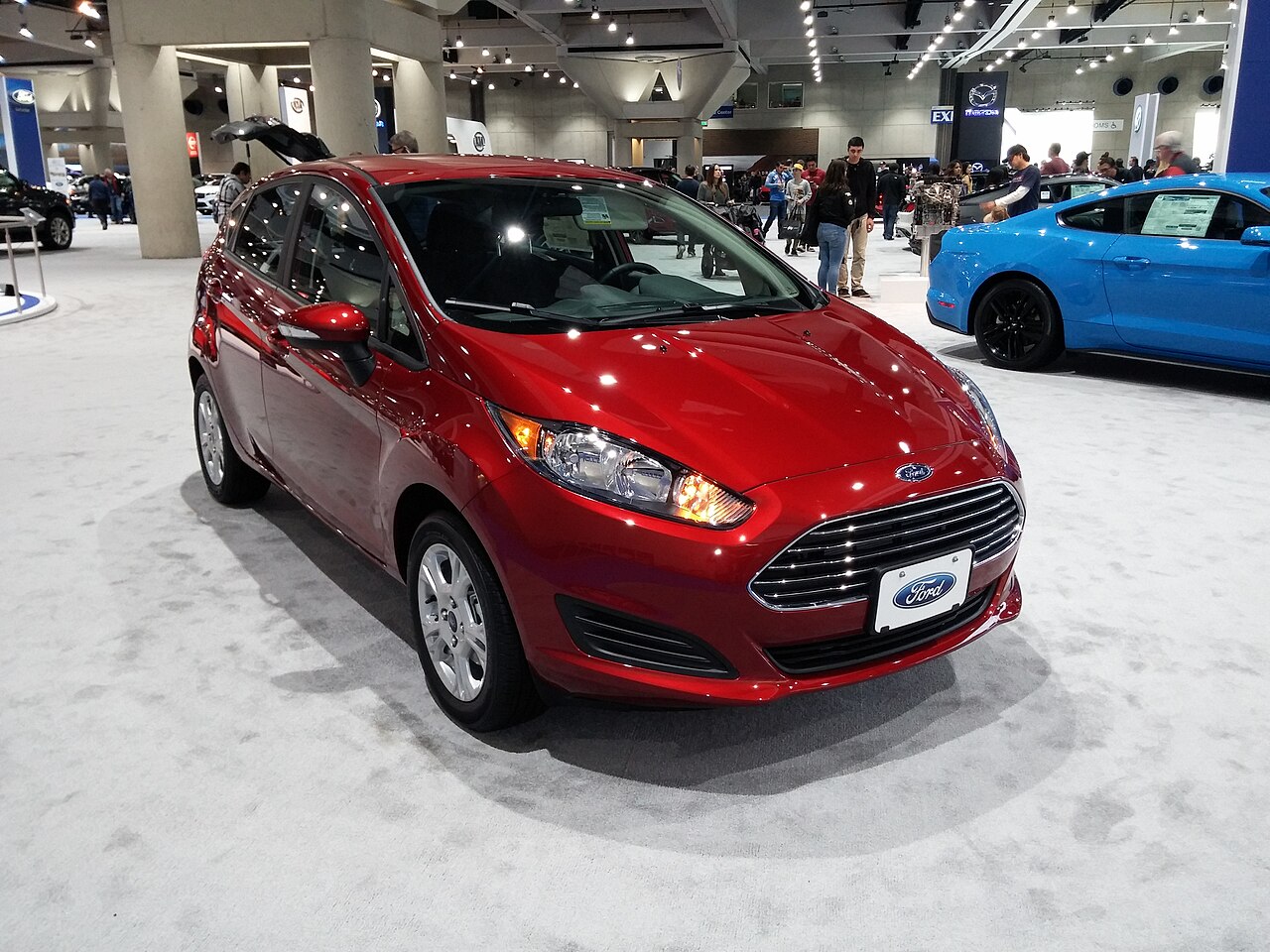
Ford Fiesta ST VIN Decoder: Generations, Engines and VIN Lookup Guide

Every Ford Fiesta ST carries a 17-character Vehicle Identification Number, and decoding it is the quickest way to confirm what a given car really is before you trust a listing. The VIN reveals the model year, the plant it came from, the engine fitted at the factory, the body and the safety equipment. On this much-loved hot hatch the VIN is the surest way to confirm a genuine ST, the exact engine and the generation. Run any Fiesta ST VIN through the decoder above to read it in seconds. The guide below explains how the number is built, walks through the generations, and points out what to check on each.

2018 Ford Fiesta ST, front view
2018 Ford Fiesta ST. Photo by Vauxford, CC BY-SA 4.0, via Wikimedia Commons.

How a Ford Fiesta ST VIN is put together

The 17 characters follow a global standard, so each position carries fixed meaning. The Fiesta ST was built in Europe, so its VIN typically begins with WF0, the World Manufacturer Identifier for Ford in Europe. Characters four through eight describe the body, the restraint system and the engine, which is the key to confirming a real ST rather than a standard Fiesta. The ninth character is a check digit, the tenth is the model year, the eleventh is the plant, and the final six are the unique build sequence.

VIN clue What it means
WMI WF0 Ford Fiesta ST built by Ford in Europe
Position 9 Check digit that validates the whole VIN
Position 10 Model year code (for example F is 2015, M is 2021)
Positions 4 to 8 Body, restraint system and engine, the key to confirming a genuine ST
Positions 12 to 17 Unique sequential build number

You will find the VIN at the base of the windshield on the driver’s side, on the door jamb label, and in the registration paperwork.

Ford Fiesta ST VIN position by position

The Fiesta ST is the hot version of the Fiesta, and the VIN is the best way to tell a real ST from a base car with a body kit. European cars were built in Europe, while the ST sold in America from 2014 was built in Mexico, which the first three characters make clear. It uses the standard seventeen character layout.

Position Name What it tells you on a Fiesta ST
1 to 3 World Manufacturer Identifier WF0 for a European built car and 3FA for one built in Mexico
4 to 8 Vehicle descriptor Body style, trim and the turbocharged engine that marks the ST out
9 Check digit A calculated character that validates the rest of the VIN
10 Model year A single character, listed in the chart below
11 Assembly plant The Ford factory that built the car
12 to 17 Serial number The build sequence unique to that car

Ford Fiesta ST model year codes (position 10)

The ST was sold in a few runs, and the tenth character reads as follows for those years.

Model year Code in position 10
Ford Fiesta ST 2005 5
Ford Fiesta ST 2006 6
Ford Fiesta ST 2007 7
Ford Fiesta ST 2008 8
Ford Fiesta ST 2013 D
Ford Fiesta ST 2014 E
Ford Fiesta ST 2015 F
Ford Fiesta ST 2016 G
Ford Fiesta ST 2017 H
Ford Fiesta ST 2018 J
Ford Fiesta ST 2019 K
Ford Fiesta ST 2020 L
Ford Fiesta ST 2021 M
Ford Fiesta ST 2022 N

Where to find the VIN on a Ford Fiesta ST

Read the VIN through the base of the windscreen on the driver side and check it against the plate or label in the door area. A genuine ST is worth a clear premium over a standard Fiesta, so confirm the VIN and the engine point to a factory ST before you pay ST money.

Reading a Fiesta ST VIN in practice

Take a car whose VIN shows E in position ten. That places it as a 2014 model. If it opens with WF0 it is a European car, and if it opens with 3FA it is one of the Mexican built cars sold in America. The descriptor section confirms the ST engine, and the closing six digits are the car’s own serial number.

Generations of the Ford Fiesta ST

The Fiesta ST is the high-performance version of the Fiesta and one of the most celebrated small hot hatches of its era. It moved from a naturally aspirated engine to a turbocharged 1.6, then to a turbocharged three-cylinder, each praised for sharp handling and strong value.

Generation Years Body Engine VIN type
Ford Fiesta ST (Mk6) 2005 to 2008 Three-door hatchback 2.0 naturally aspirated 17-character
Ford Fiesta ST (Mk7) 2013 to 2017 Three-door hatchback 1.6 EcoBoost, ST200 17-character
Ford Fiesta ST (Mk8) 2018 to 2023 Three and five-door 1.5 EcoBoost three-cylinder WF0, 17-character

Ford Fiesta ST engines and specifications

Because the engine code sits in the middle of the VIN, a check confirms the engine the car was built with, which is exactly what you need to verify a genuine ST.

Configuration Years Power Layout
Ford Fiesta ST 2.0 2005 to 2008 about 150 hp Naturally aspirated inline-4
Ford Fiesta ST 1.6 EcoBoost 2013 to 2017 about 182 hp Turbocharged inline-4
Ford Fiesta ST200 2016 to 2017 about 200 hp Turbocharged inline-4
Ford Fiesta ST 1.5 EcoBoost 2018 to 2023 about 200 hp Turbocharged inline-3

Ford Fiesta ST by model year

The Fiesta ST follows the standard VIN year letters, so position ten quickly confirms the year a seller claims.

Model year VIN year code Generation
Ford Fiesta ST 2014 E Mk7, 1.6 EcoBoost
Ford Fiesta ST 2016 G Mk7, ST200 available
Ford Fiesta ST 2019 K Mk8, 1.5 EcoBoost
Ford Fiesta ST 2021 M Mk8
Ford Fiesta ST 2022 N Late Mk8

Reliability and the things worth checking

The Fiesta ST is generally robust but often driven hard, so confirm a specific car against the relevant recall database by its VIN.

Area What to check
Ford Fiesta ST 1.0 and 1.5 EcoBoost Confirm cooling system and cam belt service on the small turbo engines
Ford Fiesta ST clutch and tyres Check for clutch wear and uneven tyre wear from spirited driving
Ford Fiesta ST authenticity Confirm a genuine ST through the engine and series codes in the VIN, not the badges
Ford Fiesta ST modifications Ask what has been changed, since many are tuned, and confirm it was done properly

A VIN history check together with a careful inspection for hard use and authenticity is the best way to choose a good Fiesta ST.

Buying a used Ford Fiesta ST

Decode the VIN first and confirm the model year, generation and engine match the advertisement, then run that number through the relevant recall database. Confirm a genuine ST through the VIN rather than the badges, look carefully for track use and modification, and prioritise a complete service history with evidence of cam belt maintenance on the turbo engines. When you are ready, enter your Ford Fiesta ST VIN in the decoder above to confirm the year, engine and configuration before you buy.
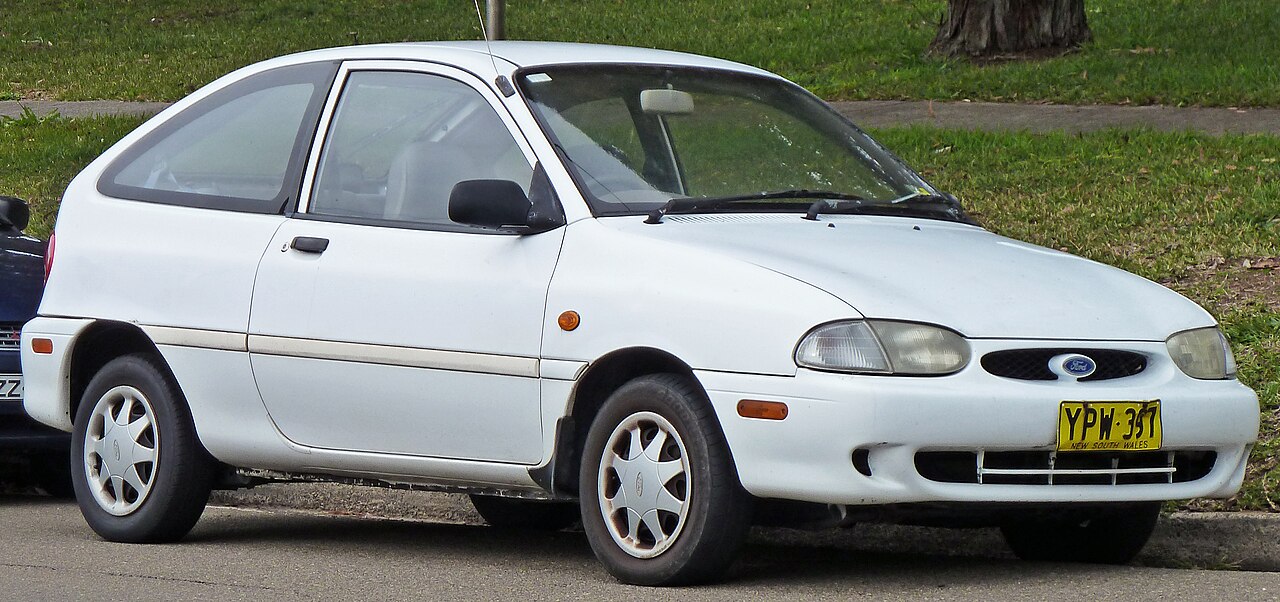
Ford Fiesta (1976 to 2002) VIN Decoder: Generations, Engines and VIN Lookup Guide

Every Ford Fiesta from the late 1970s onward carries a Vehicle Identification Number, and reading it is the quickest way to confirm what a particular car really is before you trust a listing. This guide covers the classic Fiesta from its 1976 launch through to the cars built up to 2002, the small front wheel drive hatchback that became one of Europe’s best selling cars. The VIN confirms the model year, the engine the car left the line with and the plant that built it, which matters most on the sporty XR2 and RS versions where originality drives value. You can run any Fiesta VIN through the decoder at the top of this page and read the result in a few seconds. The rest of this guide explains how the number is built, walks through the early generations, and points out what to check when you look one over.

2017 Ford Fiesta hatchback
2017 Ford Fiesta. Photo by MTSRider18, CC BY-SA 3.0, via Wikimedia Commons.

How a Ford Fiesta VIN is put together

From the early 1980s the Fiesta uses the 17 character VIN, which splits into three blocks where the same position always carries the same kind of information. The very first Mk1 cars used shorter factory chassis numbers, so a late 1970s Fiesta has to be read with period references rather than a modern decoder. The first three characters are the World Manufacturer Identifier, and because the Fiesta was built in several countries this varies by plant. Cars from Germany begin with WF0, while cars from the Valencia plant in Spain begin with VS6. Characters four through eight describe the car, including the body and the engine, which is where a plain economy model is set apart from an XR2 or an RS Turbo. The ninth character is a check digit that validates the whole number. The last eight characters describe the individual car, with position ten the model year, position eleven the plant and the final six the sequential build number. The quick reference below covers the clues you will use most often when you read a Ford Fiesta VIN.

VIN clue What it means
WMI WF0 Ford Fiesta built by Ford in Germany
WMI VS6 Ford Fiesta built by Ford in Valencia, Spain
Position 8 Engine code, for example an OHV, CVH or Zetec unit
Position 9 Check digit that validates the whole VIN
Position 10 Model year code, for example F is 1985 and V is 1997
Position 11 Assembly plant code

On these cars the number is found behind the windscreen, on the plate in the door area and on the registration documents, and matching them is the first check worth doing.

Ford Fiesta VIN position by position

Fiestas from the 1981 model year on use the seventeen character VIN, which reads cleanly one position at a time. The earliest cars, from 1976 to 1980, predate that system and carry a shorter Ford number instead, so the first step is to check which side of 1981 your car sits on.

Position Name What it tells you on a Fiesta
1 to 3 World Manufacturer Identifier WF0 marks a Ford built in Europe, the origin of the European Fiesta
4 to 8 Vehicle descriptor Body style, trim and engine, where a base car is separated from an XR2 or a diesel
9 Check digit A calculated character that validates the rest of the VIN
10 Model year A single character, listed in the chart below
11 Assembly plant The European Ford factory that built the car
12 to 17 Serial number The build sequence unique to that Fiesta

Ford Fiesta model year codes (position 10)

On the cars that carry the seventeen character VIN, the tenth character reads as follows.

Model year Code in position 10
Ford Fiesta 1990 L
Ford Fiesta 1991 M
Ford Fiesta 1992 N
Ford Fiesta 1993 P
Ford Fiesta 1994 R
Ford Fiesta 1995 S
Ford Fiesta 1996 T
Ford Fiesta 1997 V
Ford Fiesta 1998 W
Ford Fiesta 1999 X
Ford Fiesta 2000 Y
Ford Fiesta 2001 1
Ford Fiesta 2002 2

Where to find the VIN on a Ford Fiesta

On these cars the VIN is stamped on the body and shown on a plate in the engine bay, and on the later ones it also reads through the base of the windscreen. Because a tidy classic Fiesta, and especially a genuine XR2, is worth far more than a plain car, confirm the number against the plate and the paperwork before you trust a hot hatch badge.

Reading a Fiesta VIN in practice

Take a car whose VIN opens with WF0 and shows W in position ten. That places it as a European built Ford from the 1998 model year. The descriptor section then shows the body and the engine, and the closing six digits are the car’s own serial number.

A short history, generation by generation

The Fiesta arrived in 1976 as Ford’s first modern front wheel drive supermini and was an immediate success. The Mk1 ran to 1983 with simple Kent OHV engines and introduced the hot XR2. The Mk2 of 1983 brought cleaner styling and a five speed gearbox along with CVH engines, and the Mk3 of 1989 was a bigger step with a five door body, the RS Turbo and the later RS1800. From 1995 the Mk4, lightly revised into the Mk5 in 1999, modernised the car with Zetec engines and ran to 2002, when an all new Fiesta took over. The table below sums up these generations.

Generation Years Body styles Key engines
Ford Fiesta Mk1 1976 to 1983 Three-door hatchback 0.9 to 1.3 petrol, 1.6 XR2
Ford Fiesta Mk2 1983 to 1989 Three-door hatchback 1.0 to 1.6 petrol, 1.6 diesel, XR2
Ford Fiesta Mk3 1989 to 1997 Three and five-door 1.0 to 1.8, RS Turbo, RS1800
Ford Fiesta Mk4 and Mk5 1995 to 2002 Three and five-door 1.25 to 1.6 Zetec, 1.8 diesel

Ford Fiesta engines and specifications

Because the engine code sits in the middle of the VIN, a proper check confirms the engine the car was born with, which matters most on the performance versions. The figures below cover the main configurations, with power as a range because output changed across the years.

Configuration Years Power Layout
Ford Fiesta 957 and 1.1 OHV 1976 to 1990 about 40 to 55 hp Kent inline-4 petrol
Ford Fiesta 1.4 and 1.6 CVH 1983 to 1996 about 70 to 95 hp Inline-4 petrol
Ford Fiesta XR2 1.6 1981 to 1989 about 95 to 105 hp Inline-4 petrol
Ford Fiesta RS Turbo 1.6 1990 to 1992 about 130 hp Turbocharged inline-4 petrol
Ford Fiesta 1.25 and 1.4 Zetec 1995 to 2002 about 75 to 90 hp Inline-4 petrol
Ford Fiesta 1.8 diesel 1989 to 2002 about 60 to 75 hp Inline-4 diesel

Ford Fiesta by model year

Buyers searching for a specific year want to know what they are getting, so the table below maps several model years to their VIN year code, generation and engine options. The early Mk1 cars predate the 17 character VIN and use shorter chassis numbers.

Model year VIN year code Generation Engine options
Ford Fiesta 1985 F Mk2 1.0 to 1.6 petrol, XR2
Ford Fiesta 1990 L Mk3 1.0 to 1.8, RS Turbo
Ford Fiesta 1993 P Mk3 1.1 to 1.8, RS1800
Ford Fiesta 1997 V Mk4 1.25 to 1.4 Zetec, 1.8 diesel
Ford Fiesta 2000 Y Mk5 1.25 to 1.6 Zetec, 1.8 diesel
Ford Fiesta 2002 2 Mk5 1.25 to 1.6 Zetec, 1.8 diesel

Reliability and the things worth checking

These Fiestas are simple and generally tough, but every survivor is old now, so condition matters far more than reputation. The most common points to check are summarized below.

Engine or area What to check
Ford Fiesta OHV and CVH petrol Simple and rugged, but worn carburettors or early injection and general age show
Ford Fiesta Zetec petrol Reliable, confirm timing belt history and overall wear
Ford Fiesta XR2 and RS models Often modified and raced, so check originality and accident history carefully
Ford Fiesta body Rust in the arches, sills and floors is the main enemy on survivors

Buying a used Ford Fiesta

When you find one worth pursuing, decode the VIN first and make sure the model year and engine line up with the advertisement, and on an XR2 or RS confirm that the car is what it claims to be rather than a lookalike built from a lesser model, because the difference in value is large. Spend your time underneath checking for corrosion, which is the thing most likely to write off an otherwise good car. When you are ready, enter your Ford Fiesta VIN in the decoder above to confirm the year, engine and plant, then use the advice here to make sure the car is genuinely what it claims to be.

Ford Festiva VIN Decoder: History, Engines and VIN Lookup Guide

Every Ford Festiva carries a 17-character Vehicle Identification Number, and decoding it is the quickest way to confirm what a given car really is before you trust a listing. The VIN reveals the model year, the country and plant it came from, the engine fitted at the factory, the body and the safety equipment. On this simple subcompact the VIN is a useful way to confirm the year and origin of a car that is now quite old. Run any Festiva VIN through the decoder above to read it in seconds. The guide below explains how the number is built and what to check.

1998 Ford Festiva three-door hatchback
1998 Ford Festiva (WF) Trio. Photo by OSX, Public domain, via Wikimedia Commons.

How a Ford Festiva VIN is put together

The 17 characters follow a global standard, so each position carries fixed meaning. The Festiva sold in North America was built in South Korea by Kia, so its VIN begins with a Korean manufacturer code rather than a United States code. Characters four through eight describe the body, the restraint system and the engine, which is the 1.3 four-cylinder. The ninth character is a check digit, the tenth is the model year, the eleventh is the plant, and the final six are the unique build sequence.

VIN clue What it means
Korean WMI Ford Festiva built in South Korea by Kia
Position 9 Check digit that validates the whole VIN
Position 10 Model year code (for example J is 1988, P is 1993)
Positions 4 to 8 Body, restraint system and engine family
Positions 12 to 17 Unique sequential build number

You will find the VIN at the base of the windshield on the driver’s side, on the door jamb label, and in the registration paperwork.

Ford Festiva VIN position by position

The Festiva was a small car designed by Mazda and built mainly by Kia in Korea, then sold around the world under the Ford badge. It uses the seventeen character VIN, and the first three characters are the quickest way to see where a given car was actually built.

Position Name What it tells you on a Festiva
1 to 3 World Manufacturer Identifier KNJ for a car built by Kia in Korea, with other codes for cars built elsewhere
4 to 8 Vehicle descriptor Body, trim and engine
9 Check digit A calculated character that validates the rest of the VIN
10 Model year A single character, listed in the chart below
11 Assembly plant The factory that built the car
12 to 17 Serial number The build sequence unique to that Festiva

Ford Festiva model year codes (position 10)

The tenth character gives the model year. Match your letter or number below.

Model year Code in position 10
Ford Festiva 1988 J
Ford Festiva 1989 K
Ford Festiva 1990 L
Ford Festiva 1991 M
Ford Festiva 1992 N
Ford Festiva 1993 P

Where to find the VIN on a Ford Festiva

Read the VIN through the base of the windscreen on the driver side and check it against the plate or label in the door area. Because the Festiva shares so much with its Mazda and Kia siblings, a specialist in those cars can help with parts where a Ford dealer may not.

Reading a Festiva VIN in practice

Take a car whose VIN opens with KNJ and shows L in position ten. That confirms a Korean built car from the 1990 model year. The descriptor section then shows the trim and engine, and the closing six digits are the car’s own serial number.

About the Ford Festiva

The Festiva was a small, economical subcompact sold in North America from 1988 to 1993, designed by Mazda and built by Kia in South Korea. It was light, simple and frugal, and it earned a reputation as a dependable, no-frills small car, later succeeded by the Aspire.

Phase Years Body Engine VIN type
Ford Festiva 1988 to 1993 Three-door subcompact 1.3 four-cylinder 17-character, built in Korea

Ford Festiva engines and specifications

Because the engine is encoded in the VIN, a check confirms what the car was built with, which helps when sourcing parts for an older subcompact.

Configuration Years Power Fuel
Ford Festiva 1.3 four-cylinder 1988 to 1993 about 58 to 63 hp Petrol

Ford Festiva by model year

The Festiva follows the standard VIN year characters, so position ten quickly confirms the year a seller claims.

Model year VIN year code Notes
Ford Festiva 1988 J First North American year
Ford Festiva 1990 L Early run
Ford Festiva 1991 M Mid-cycle
Ford Festiva 1993 P Final model year

Reliability and the things worth checking

The Festiva is simple and generally dependable, but its age means condition matters most. Confirm a specific car against records by its VIN where possible.

Area What to check
Ford Festiva bodywork Rust is the main enemy on a light older subcompact, so inspect arches, sills and floors
Ford Festiva 1.3 engine Generally robust; confirm basic maintenance and check for oil leaks
Ford Festiva clutch and gearbox Check for clutch wear on a test drive
Ford Festiva general Confirm the identification details match and look for past accident repair

A VIN check together with a careful inspection for rust is the best way to choose a sound Festiva.

Buying a used Ford Festiva

Decode the VIN first and confirm the model year and origin match the advertisement. On this simple, affordable subcompact, a rust-free body and evidence of basic maintenance matter far more than specification. When you are ready, enter your Ford Festiva VIN in the decoder above to confirm the year, engine and configuration before you buy.
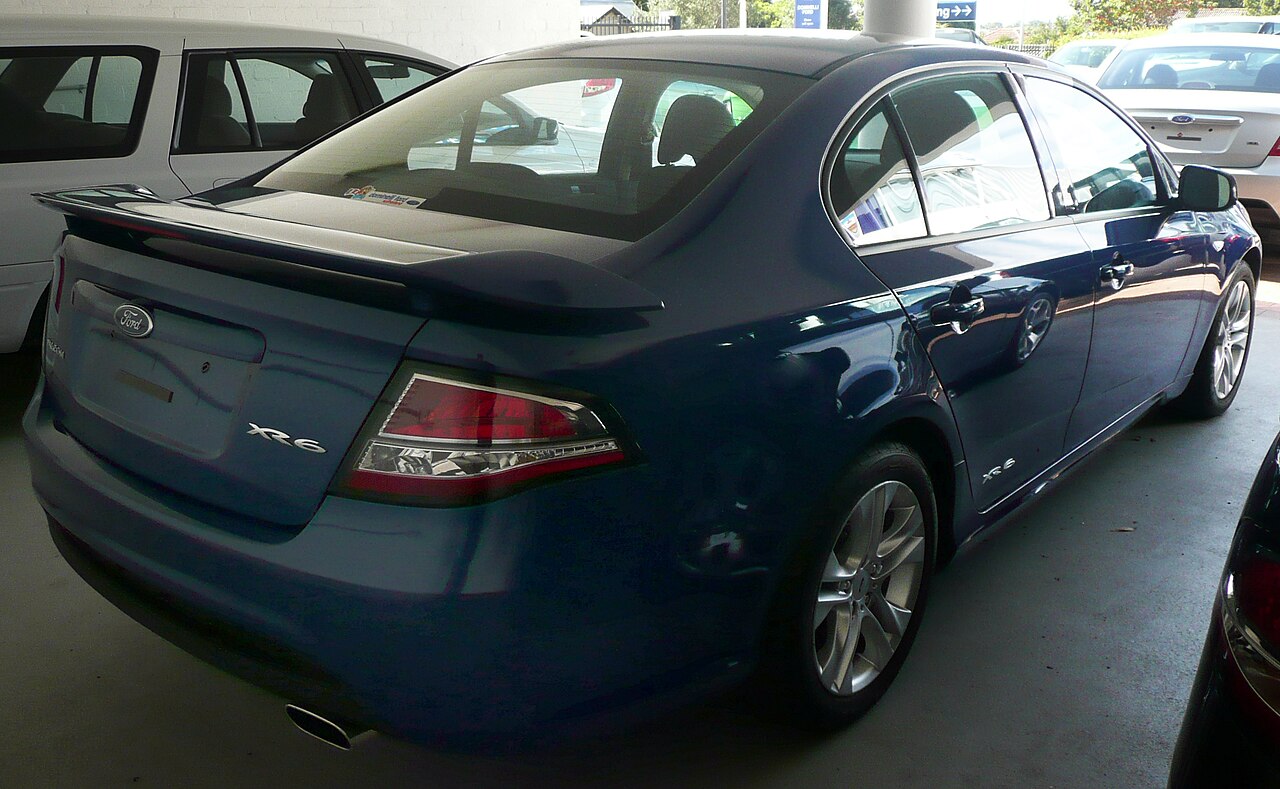
Ford Falcon VIN Decoder: History, Engines and VIN Lookup Guide

Every modern Ford Falcon carries a 17-character Vehicle Identification Number, and decoding it is the quickest way to confirm what a given car really is before you trust a listing. The VIN reveals the model year, the country and plant it came from, the engine fitted at the factory, the body and the safety equipment. On the Falcon this matters most for confirming the engine, separating a six-cylinder from a turbo or a V8, and verifying the model year a seller claims. The Falcon name covers two very different cars: the American Falcon of the 1960s and the long-running Australian Falcon. Run any Falcon VIN through the decoder above, and use the guide below to understand the number and what to check.

2008 Ford Falcon FG XR6 sedan, Australian model
2008 Ford Falcon (FG) XR6. Photo by OSX, Public domain, via Wikimedia Commons.

How a Ford Falcon VIN is put together

The 17 characters follow a global standard, so each position carries fixed meaning. The Australian Falcon was built at Broadmeadows in Victoria, so its World Manufacturer Identifier reflects Australian manufacture. Characters four through eight describe the body, the restraint system and the engine, which is where a six-cylinder is separated from a turbo six or a V8. The ninth character is a check digit, the tenth is the model year, the eleventh is the plant, and the final six are the unique build sequence. The American Falcon of the 1960s predates the 17-character VIN and uses an older factory number.

VIN clue What it means
Australian WMI Ford Falcon built by Ford in Australia (Broadmeadows)
Position 9 Check digit that validates the whole VIN
Position 10 Model year code on 1981 and later cars
Positions 4 to 8 Body, restraint system and engine family
1960s US Falcon Uses an older factory number, not the 17-character VIN

You will find the number at the base of the windshield, on the door jamb label, on body plates, and in the registration documents.

Ford Falcon VIN position by position

There were two very different Falcons. The American Falcon ran from 1960 to 1970 and predates the seventeen character VIN, so it uses a shorter Ford number. The Australian Falcon lasted all the way to 2016, and the later Australian cars use the full seventeen character VIN, which is what the table below describes.

Position Name What it tells you on an Australian Falcon
1 to 3 World Manufacturer Identifier 6FP marks a car built by Ford in Australia, at the Broadmeadows plant near Melbourne
4 to 8 Vehicle descriptor Body style, series and engine, where the six is separated from the V8
9 Check digit A calculated character that validates the rest of the VIN
10 Model year A single character, listed in the chart below
11 Assembly plant The Ford Australia factory that built the car
12 to 17 Serial number The build sequence unique to that Falcon

Australian Ford Falcon model year codes (position 10)

On the later Australian cars the tenth character gives the model year. The chart below covers the common BA, BF and FG era.

Model year Code in position 10
Ford Falcon 2000 Y
Ford Falcon 2002 2
Ford Falcon 2004 4
Ford Falcon 2006 6
Ford Falcon 2008 8
Ford Falcon 2010 A
Ford Falcon 2012 C
Ford Falcon 2014 E
Ford Falcon 2016 G

Where to find the VIN on a Ford Falcon

On the later Australian cars the VIN sits on the compliance plate and reads through the base of the windscreen. On an American Falcon or an early Australian car, the chassis number and the plate in the engine bay are the numbers that count. Match them to the paperwork before you buy, since a genuine GT or a V8 car is worth far more than a plain six.

Reading a Falcon VIN in practice

Take a later Australian car whose VIN opens with 6FP. That alone confirms a Ford built in Australia rather than an import. The tenth character then fixes the model year from the chart above, the descriptor section shows whether it left the line as a six or a V8, and the closing six digits are the car’s own serial number.

The two Ford Falcons

The original American Falcon was a compact car sold from 1960 to 1970, simple and light, which also provided the basis for the early Mustang. The Australian Falcon was a separate, much longer-lived story: a large rear-wheel-drive sedan and ute built from 1960 all the way to 2016, beloved for its straight-six and V8 engines and its high-performance XR and FPV versions.

Version Years Body Key engines VIN type
Ford Falcon (United States) 1960 to 1970 Compact car Inline-six, small-block V8 Pre-1981 factory number
Ford Falcon (Australia, classic) 1960 to 1998 Large sedan, wagon, ute Inline-six, 4.9 and 5.0 V8 Older then 17-character
Ford Falcon (Australia, modern) 1998 to 2016 Large sedan and ute 4.0 six, 4.0 turbo six, 5.0 and 5.4 V8 17-character

Ford Falcon engines and specifications

Because the engine code sits in the middle of the VIN on modern cars, a check confirms the engine the car was built with, which is exactly what you want on the sought-after performance Falcons.

Configuration Years Notes
Ford Falcon 4.0 inline-six (Barra) 2002 to 2016 Famous durable Australian six
Ford Falcon 4.0 turbo six (XR6 Turbo) 2002 to 2016 Strong turbocharged performance six
Ford Falcon 5.0 and 5.4 V8 (XR8, FPV) 1998 to 2016 High-performance V8 models
Ford Falcon US inline-six and V8 1960 to 1970 Classic compact engines

Ford Falcon by era

The VIN or factory number confirms which Falcon you have and, on modern cars, the exact year.

If the car is What to expect
Ford Falcon built in Australia, 1998 to 2016 Modern large sedan or ute with a 17-character VIN
Ford Falcon built in Australia, classic Older large car, often with an older identification number
Ford Falcon built in the United States 1960s compact, read with classic references
Ford Falcon XR6 Turbo, XR8 or FPV Sought-after performance version worth confirming carefully

Reliability and the things worth checking

Condition and originality matter most, especially on classic and performance Falcons.

Area What to check
Ford Falcon Barra six Very durable, but confirm cooling and service history, and turbo health on XR6 Turbo
Ford Falcon performance models Confirm authenticity of XR and FPV cars through the VIN and documentation
Ford Falcon bodywork Inspect for rust on older cars and past accident repair
Ford Falcon originality Confirm the engine and trim match the identification details

A VIN or factory-number check together with a careful inspection is essential, particularly on the desirable turbo and V8 Falcons.

Buying a used Ford Falcon

Decode the VIN first on modern Australian cars to confirm the year, engine and body, and use classic references for the 1960s American Falcon. Authenticity and condition are everything on the performance models, so confirm an XR6 Turbo, XR8 or FPV through the VIN and history before paying a premium. When you are ready, enter your Ford Falcon VIN in the decoder above to confirm the year, engine and configuration before you buy.
Ford Fairmont VIN Decoder: History and Identification Guide

Every Ford Fairmont carries an identification number that tells you what a given car really is, which is useful when buying, restoring or verifying one of these models. Cars built from 1981 use the standard 17-character VIN, while earlier American Fairmonts use older factory numbers read with year-specific references. The Fairmont name was used on an American compact and as a long-running Australian luxury trim of the Falcon. Run a number through the decoder above, and use the guide below to understand identification and what to check.

How a Ford Fairmont is identified

The American Fairmont, built on the Fox platform, used the 17-character VIN from 1981, where the first three characters mark a Ford United States car, the descriptor section records the engine and body, and the tenth character is the model year. The Australian Fairmont was a luxury version of the Falcon and shares that car’s identification, including the modern VIN on later examples built in Australia.

Identification clue What it means
1981 and later cars Use the standard 17-character VIN
American Fairmont Fox-platform compact, built in the United States
Australian Fairmont Luxury version of the Australian Falcon
Engine and body Recorded in the descriptor section of the number
Where to find it Windshield base, door or body plate, and registration documents

Ford Fairmont VIN position by position

The Fairmont was Ford Australia’s plush take on the Falcon, and the later cars carry the standard seventeen character VIN. Read it in order and it tells you the country of build, the year and the plant. Older Fairmonts, from before that system came in, are identified by the chassis number and the compliance plate rather than a modern VIN.

Position Name What it tells you on a Fairmont
1 to 3 World Manufacturer Identifier 6FP marks a car built by Ford in Australia, at the Broadmeadows plant near Melbourne
4 to 8 Vehicle descriptor Body style, series and engine, the part that separates a six from a V8 Fairmont
9 Check digit A calculated character that validates the rest of the VIN
10 Model year A single character, listed in the chart below
11 Assembly plant The Ford Australia factory that built the car
12 to 17 Serial number The build sequence unique to that Fairmont

Ford Fairmont model year codes (position 10)

On the later cars the tenth character gives the model year. For the final Falcon based Fairmonts the codes run like this.

Model year Code in position 10
Ford Fairmont 2000 Y
Ford Fairmont 2001 1
Ford Fairmont 2002 2
Ford Fairmont 2003 3
Ford Fairmont 2004 4
Ford Fairmont 2005 5
Ford Fairmont 2006 6
Ford Fairmont 2007 7
Ford Fairmont 2008 8

Where to find the VIN on a Ford Fairmont

On the later cars the VIN sits on the compliance plate and is repeated where you would expect on a modern car, readable through the base of the windscreen and on the driver door area. On an older Fairmont the chassis number and the compliance plate in the engine bay are the numbers that count. Match them to the papers before you buy, since a Falcon based Fairmont with a clean, matching identity is far easier to register and value.

Reading a Fairmont VIN in practice

Take a later Fairmont whose VIN opens with 6FP. That alone confirms a Ford built in Australia rather than an imported car. The tenth character then fixes the model year from the chart above, the descriptor section shows whether it left the line as a six or a V8, and the final digits are the car’s own serial number.

The Ford Fairmont story

The American Fairmont was a practical compact sold from 1978 to 1983 on Ford’s versatile Fox platform, offered as a sedan, wagon and coupe. The Australian Fairmont was a separate, long-running luxury trim of the Falcon, giving buyers more equipment and comfort over the standard car for decades.

Version Years Body Typical engines VIN type
Ford Fairmont (United States) 1978 to 1983 Sedan, wagon, coupe 2.3 four-cylinder, inline-six, 5.0 V8 Older then 17-character from 1981
Ford Fairmont (Australia) 1960s to 2008 Luxury Falcon-based sedan Inline-six, V8 Older then 17-character

Ford Fairmont engines

Confirming the engine against the car’s documentation matters for value and originality on a Fairmont.

Configuration Notes
Ford Fairmont 2.3 four-cylinder (US) Economical base engine on the Fox-platform car
Ford Fairmont inline-six Common engine on both American and Australian cars
Ford Fairmont 5.0 V8 Available on sportier and luxury versions
Ford Fairmont Australian six and V8 Fitted to the luxury Falcon-based sedans

Reliability and the things worth checking

On an older Fairmont, condition and originality matter most.

Area What to check
Ford Fairmont bodywork Rust is the main enemy: inspect the body, floors and chassis carefully
Ford Fairmont engine and transmission Check for oil leaks, smoke and clean shifts on a test drive
Ford Fairmont trim and parts Confirm trim and parts are present, as some are hard to source
Ford Fairmont originality Confirm the engine and trim match the documentation

A careful inspection for rust and originality, supported by the car’s documentation, is essential on a model of this age.

Buying a used Ford Fairmont

Confirm the model, year and engine against the car’s identification number and paperwork. On both the American and Australian Fairmont, a solid body, a sound drivetrain and a documented history matter far more than specification. When you are ready, enter your Ford Fairmont details in the decoder above and compare them with the car and its documents.

Ford Fairlane VIN Decoder: History and Identification Guide

Every Ford Fairlane carries an identification number that tells you what a given car really is, which is invaluable when buying, restoring or verifying one of these classics. Cars built from 1981 use the standard 17-character VIN, while earlier American Fairlanes use older factory numbers read with year-specific references. The Fairlane name was used on an American classic and on a long-running Australian luxury car. Run a number through the decoder above, and use the guide below to understand identification and what to check.

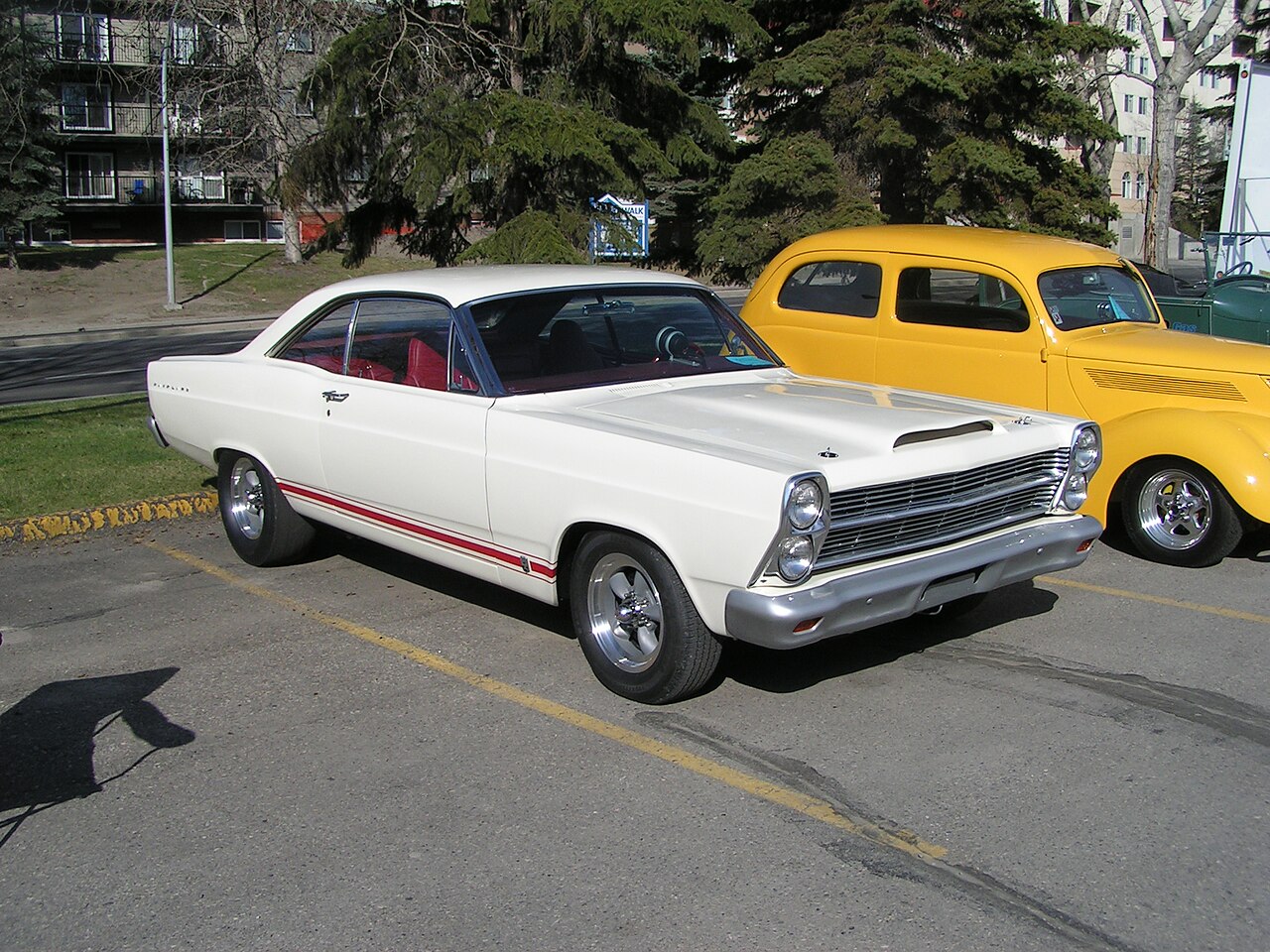
1966 Ford Fairlane GT
1966 Ford Fairlane GT. Photo by dave_7 from Lethbridge, Canada, CC BY 2.0, via Wikimedia Commons.

How a Ford Fairlane is identified

The American Fairlane of the 1950s and 1960s predates the 17-character VIN and uses Ford’s older factory numbering, which records the model, body and engine by year-specific schemes. The Australian Fairlane, built into the 2000s, uses the modern 17-character VIN on later cars, where the first three characters mark Australian manufacture, the descriptor section records the engine and body, and the tenth character is the model year.

Identification clue What it means
1981 and later cars Use the standard 17-character VIN
Classic American Fairlane Uses older factory numbers, read with year-specific references
Australian Fairlane Built by Ford in Australia, long-wheelbase luxury car
Engine and body Recorded in the descriptor section of the number
Where to find it Windshield base or dashboard, door or body plate, and registration documents

Ford Fairlane VIN position by position

The Fairlane name covers two very different cars. The American Fairlane ran from the 1950s into 1970 and predates the seventeen character VIN, so it uses a shorter Ford number. The Australian Fairlane was a long running luxury car based on the Falcon that lasted to 2007, and the later Australian cars use the full seventeen character VIN, which the table below describes.

Position Name What it tells you on an Australian Fairlane
1 to 3 World Manufacturer Identifier 6FP marks a car built by Ford in Australia, at the Broadmeadows plant near Melbourne
4 to 8 Vehicle descriptor Body style, series and engine, where the six is separated from the V8
9 Check digit A calculated character that validates the rest of the VIN
10 Model year A single character, listed in the chart below
11 Assembly plant The Ford Australia factory that built the car
12 to 17 Serial number The build sequence unique to that Fairlane

Australian Ford Fairlane model year codes (position 10)

On the later Australian cars the tenth character gives the model year.

Model year Code in position 10
Ford Fairlane 2000 Y
Ford Fairlane 2001 1
Ford Fairlane 2002 2
Ford Fairlane 2003 3
Ford Fairlane 2004 4
Ford Fairlane 2005 5
Ford Fairlane 2006 6
Ford Fairlane 2007 7

Where to find the number on a Ford Fairlane

On the later Australian cars the VIN sits on the compliance plate and reads through the base of the windscreen. On an American Fairlane the number is stamped on the car and set out on the door data plate, with the year, plant, body and engine spelled out. On the American cars especially, a genuine big block or a GT is worth confirming against the plate rather than the badges.

Reading a Fairlane VIN in practice

Take a later Australian car whose VIN opens with 6FP. That confirms a Ford built in Australia. The tenth character then fixes the model year from the chart above, and the descriptor section shows whether it left the line as a six or a V8. On an American Fairlane you instead read the older number against a year specific chart, where the first character gives the year.

The Ford Fairlane story

The American Fairlane began in the mid-1950s as a full-size Ford and became a midsize favourite in the 1960s, including sporty and muscle versions. The Australian Fairlane was a separate, long-running model: a stretched, luxury version of the Falcon built from 1967 to 2007, prized locally for its space and comfort.

Version Years Body Typical engines VIN type
Ford Fairlane (United States) 1955 to 1970 Full-size then midsize Inline-six, small and big-block V8 Pre-1981 factory number
Ford Fairlane (Australia) 1967 to 2007 Long-wheelbase luxury sedan Inline-six, 4.9 to 5.4 V8 Older then 17-character

Ford Fairlane engines

Confirming the engine against the car’s documentation matters for value and originality on a Fairlane.

Configuration Notes
Ford Fairlane inline-six Economical engine on base cars
Ford Fairlane small-block V8 Common V8 across many years
Ford Fairlane big-block V8 (US) Used on the sought-after American performance models
Ford Fairlane V8 (Australia) Fitted to the luxury Australian sedans

Reliability and the things worth checking

On a classic Fairlane, condition and originality matter most.

Area What to check
Ford Fairlane bodywork Rust is the main enemy: inspect the body, floors and chassis carefully
Ford Fairlane performance models Confirm authenticity of muscle and V8 versions, which command a premium
Ford Fairlane engine and transmission Check for oil leaks, smoke and clean shifts on a test drive
Ford Fairlane originality Confirm the engine and trim match the documentation

A careful inspection for rust and originality, supported by the car’s documentation, is essential on a classic of this age.

Buying a used Ford Fairlane

Confirm the model, year and engine against the car’s identification number and paperwork. On the classic American Fairlane, a solid body and genuine drivetrain are everything, and on the Australian Fairlane a well-kept luxury sedan with history is worth seeking out. When you are ready, enter your Ford Fairlane details in the decoder above and compare them with the car and its documents.

Fast & Free

Quickly get vehicle details for free.

Reliable Data

We source data from trusted providers.

Global VIN Check

Supports VINs from all over the world.

How to read VIN code?

1
H
G
B
H
4
1
J
X
M
N
1
0
9
1
8
6

What Is a VIN Code for Cars?

A Vehicle Identification Number (VIN) is a unique 17-character code that serves as a car's fingerprint. It contains specific information about the vehicle and is used for identification and tracking purposes.

A VIN provides detailed information about:

  • Manufacturer
  • Model
  • Engine type
  • Production year
  • Assembly plant
  • Serial number

VINs are globally recognized and standardized for vehicle identification.

How Does a VIN Code Work?

A VIN is divided into three main sections, each providing specific information about the vehicle.

1. World Manufacturer Identifier (WMI) - Characters 1-3

This section identifies the manufacturer and country of origin.

Examples: "1HG = Honda, made in the USA", "JHM = Honda, made in Japan"

2. Vehicle Descriptor Section (VDS) - Characters 4-9

This section provides details about the vehicle's model, engine type, body style, and includes a check digit (9th character).

3. Vehicle Identifier Section (VIS) - Characters 10-17

This section reveals the model year (10th character), manufacturing plant (11th), and serial number (12-17).

Examples: "Y in the 10th spot = 2000", "A = 2010", "L = 2020"

Why Is the VIN Important?

VINs are essential for various purposes:

  • Checking vehicle history reports
  • Registering a car
  • Buying or selling a vehicle
  • Insurance purposes
  • Verifying stolen vehicles
  • Recalls and warranty claims

You can typically find the VIN on the dashboard, door frame, or in registration documents.

Want to Decode a VIN?

Ford VIN Decoder is a fast and easy tool to get detailed vehicle information including specifications, manufacturing details, engine type, trim level, and production year.

Decode VIN