VIN Decoder - Check Your VIN Number

Ford LTD VIN Decoder: History, Engines and VIN Lookup Guide

Every Ford LTD carries an identification number, and reading it is the quickest way to confirm what a particular car really is before you trust a seller’s description. The LTD was Ford’s full-size flagship for decades, from the mid 1960s to the 1980s, sold as a sedan, a hardtop and a wagon, and it became a symbol of roomy, comfortable American motoring. The number confirms the model year, the engine the car left the line with and the plant that built it, and from 1981 it follows the modern 17 character VIN. You can run an LTD number through the decoder at the top of this page, and the guide below explains how the number is built, walks through the eras of the car, and points out what to check when you look one over.
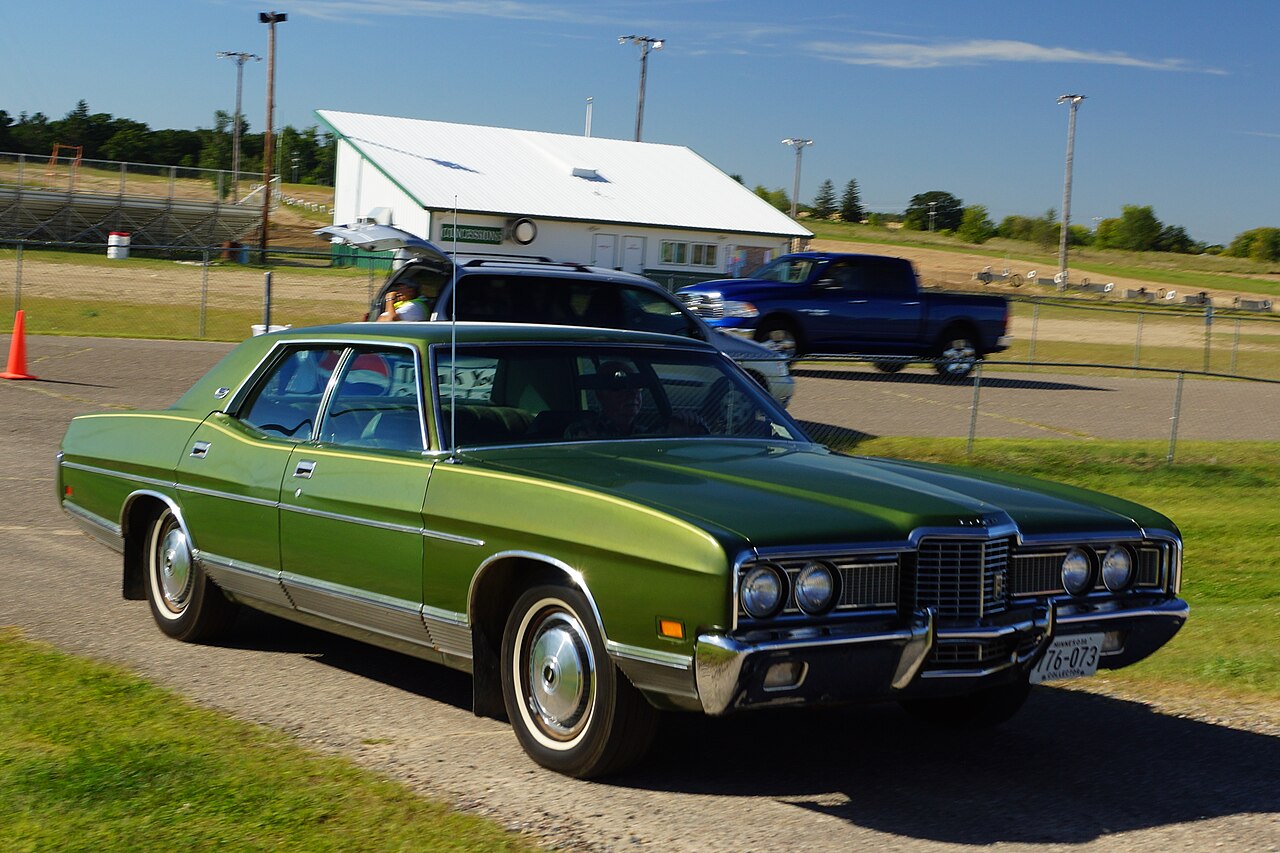
1972 Ford LTD four-door sedan, front three-quarter view
1972 Ford LTD. Photo by Greg Gjerdingen, CC BY 2.0, via Wikimedia Commons.

How a Ford LTD VIN is put together

LTDs built before 1981 use a shorter Ford identification number found on the data plate and the body, where the first character is the model year, the second is the assembly plant, and further characters give the body and engine codes. From 1981 the LTD uses the 17 character VIN, which begins with 1FA for Ford built passenger cars in the United States and places the engine in the middle block and the model year at position ten. The engine code is the part that matters most, because it separates a small-block car from one of the big-blocks. The quick reference below covers the clues you will use most often when you read a Ford LTD number.

VIN clue What it means
First character (pre-1981) Model year, for example 8 is 1978 and 0 is 1980
WMI 1FA (1981 on) Ford LTD built by Ford in the United States
Engine code For example a 302, a 351 or a 460 V8
Check digit (1981 on) Position nine validates the 17 character VIN
Assembly plant The factory that built the car

On a car this old, matching the number on the data plate with the title and any other stampings is the first check worth doing.

How a Ford LTD is identified

The LTD was a mainstay of the Ford range for two decades, and it sits across the change to the modern VIN. Cars from the 1981 model year on carry the seventeen character VIN, which begins with 1FA on a United States built Ford passenger car and gives the model year in the tenth character. The earlier cars predate that system and instead are identified by an older Ford number, a shorter code stamped on the car and set out on the door data plate, where the first character is the model year.

What the number tells you

On the later cars the seventeen character VIN reads in the usual way, position by position, with the tenth character giving the year. On the earlier cars the stamped number and the data plate together record the year, the plant, the body style and the engine, and restorers translate each field against a year specific Ford chart rather than reading it straight through like a modern VIN.

Where to find the number on a Ford LTD

On the later cars the VIN reads through the windshield at the base of the glass on the driver side and repeats on the door jamb label. On the earlier cars look for the data plate on the door or door pillar and the stamped number on the body. On any car of this age, the plate, the stamped number and the paperwork all need to agree before you buy.

A short history, generation by generation

The LTD started life in 1965 as the top trim of the full-size Ford and soon became its own prestige model, the quiet, smooth car that Ford advertised as riding like a much more expensive machine. The full-size cars grew through the 1970s with big-block power, then slimmed down onto the lighter Panther platform in 1979. From 1983 the LTD name also appeared on a mid-size car before being retired later in the decade as the Crown Victoria and Taurus took over. The table below sums up the eras.

Generation Years Body styles Key engines
Ford LTD full-size classic 1965 to 1978 Sedan, hardtop, wagon 240 six, 302 to 460 V8
Ford LTD Panther 1979 to 1982 Sedan, wagon 302 and 351 V8
Ford LTD mid-size 1983 to 1986 Sedan, wagon 3.8 V6, 5.0 V8

Ford LTD engines and specifications

Because the engine code is part of the number, a proper check confirms the engine the car was born with. The figures below cover the main engines, with power as a range because output changed across the years and the way it was measured changed too.

Configuration Years Power Layout
Ford LTD 302 V8 1968 to 1986 about 130 to 150 hp Small-block V8
Ford LTD 351 V8 1969 to 1982 about 150 to 165 hp Windsor or Cleveland V8
Ford LTD 400 and 460 V8 1972 to 1978 about 160 to 220 hp Big-block V8
Ford LTD 3.8 V6 1983 to 1986 about 110 hp Naturally aspirated V6

Ford LTD by model year

Buyers searching for a specific year want to know what they are getting, so the table below maps several model years to their year code, era and engine options. Cars before 1981 use the year digit, while later cars use the 17 character VIN year code.

Model year Year code Era Engine options
Ford LTD 1972 2 Full-size classic 351 to 460 V8
Ford LTD 1978 8 Full-size classic 302 to 460 V8
Ford LTD 1980 0 Panther 302 and 351 V8
Ford LTD 1983 D Mid-size 3.8 V6, 5.0 V8
Ford LTD 1985 F Mid-size 3.8 V6, 5.0 V8

Reliability and the things worth checking

These are simple, robust cars by modern standards, but every LTD is old now, so condition and originality matter far more than mechanical complexity. The most common points to check are summarized below.

Engine or area What to check
Ford LTD V8 Durable and easy to service, confirm the engine matches the number and check for overheating
Ford LTD 3.8 V6 On the mid-size cars watch for head gasket history
Ford LTD body and frame Rust in floors, frame and lower panels is the main enemy on survivors
Ford LTD originality Verify the engine and trim against the data plate

Buying a used Ford LTD

When you find one worth pursuing, read the number first and make sure the model year, engine and body line up with the seller’s description and the title. Confirm a big-block car really left the factory that way through the data plate, and on every LTD spend your time checking for corrosion, which is the thing most likely to turn a tempting project into a money pit. When you are ready, enter your Ford LTD number in the decoder above to confirm the year, engine and plant, then use the advice here to make sure the car is genuinely what it claims to be.
Ford Laser VIN Decoder: Generations, Engines and VIN Lookup Guide

Every Ford Laser carries a 17 character Vehicle Identification Number, and reading it is the quickest way to confirm what a particular car really is before you trust a listing. The Laser was Ford’s small family car for Asia Pacific, Australia and many other markets from 1981 to 2002, based on the Mazda 323 and sold as a hatchback and a sedan, including the sporty turbocharged TX3. The VIN settles the model year, the engine the car left the line with and the plant that built it. You can run any Laser VIN through the decoder at the top of this page and read the result in a few seconds. The rest of this guide explains how the number is built, walks through the generations, and points out what to check when you look one over.

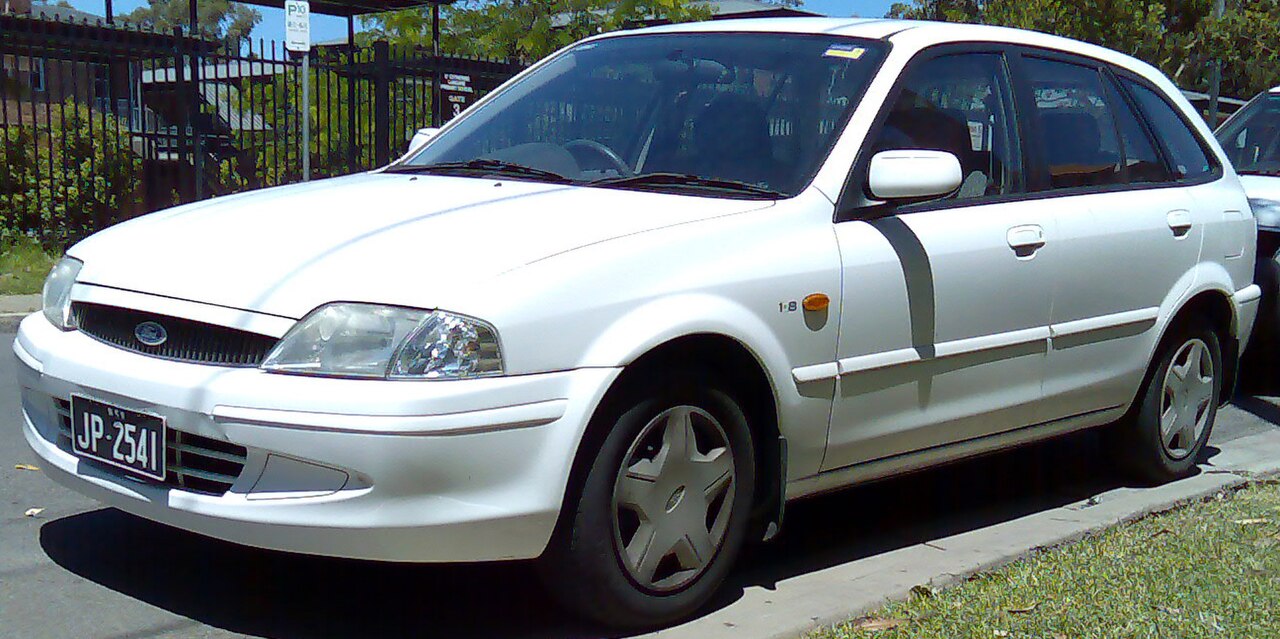
Ford Laser GLXi hatchback, 1999 to 2001
Ford Laser (KN) GLXi, 1999 to 2001. Photo by OSX, Public domain, via Wikimedia Commons.

How a Ford Laser VIN is put together

The 17 characters split into three blocks, and because the layout follows a global standard, the same position always carries the same kind of information. The first three characters are the World Manufacturer Identifier, which identify where the car was built. Australian built Lasers begin with 6FP, the code for Ford Australia, while cars built in other markets carry their own codes. Characters four through eight describe the car, including the body and, most usefully, the engine, which is where a standard four cylinder is set apart from the turbocharged TX3. The ninth character is a check digit that validates the whole number. The last eight characters describe the individual car, with position ten the model year, position eleven the plant and the final six the sequential build number. The quick reference below covers the clues you will use most often when you read a Ford Laser VIN.

VIN clue What it means
WMI 6FP Ford Laser built by Ford in Australia
Position 8 Engine code, for example a 1.6 four or the TX3 turbo
Position 9 Check digit that validates the whole VIN
Position 10 Model year code, for example L is 1990 and S is 1995
Position 11 Assembly plant code

You will find the number behind the windscreen, on the plate in the door jamb and on the registration documents, and matching them is the first check worth doing.

Ford Laser VIN position by position

The Laser was a rebadged Mazda 323, sold across Australia and Asia, and it uses the seventeen character VIN. Because it was built in more than one country, the VIN is useful for confirming the origin as well as the year, and knowing it is really a Mazda 323 helps with parts and servicing.

Position Name What it tells you on a Laser
1 to 3 World Manufacturer Identifier The country and maker, for example 6FP for a car built by Ford in Australia, while cars built in Japan carry a Japanese code
4 to 8 Vehicle descriptor Body, trim and engine, whether a base car or a sporty model
9 Check digit A calculated character that validates the rest of the VIN
10 Model year A single character, listed in the chart below
11 Assembly plant The factory that built the car
12 to 17 Serial number The build sequence unique to that Laser

Ford Laser model year codes (position 10)

The tenth character gives the model year. Match your letter or number below.

Model year Code in position 10
Ford Laser 1990 L
Ford Laser 1992 N
Ford Laser 1994 R
Ford Laser 1996 T
Ford Laser 1998 W
Ford Laser 2000 Y
Ford Laser 2002 2

Where to find the VIN on a Ford Laser

Read the VIN through the base of the windscreen on the driver side and check it against the plate or label in the door area. Because the Laser is really a Mazda 323 under the badge, a Mazda specialist can help with parts and servicing where a Ford dealer may not recognise the name.

Reading a Laser VIN in practice

Take a car whose VIN opens with 6FP and shows N in position ten. That confirms a Ford built in Australia from the 1992 model year. The descriptor section then shows the body and engine, and the closing six digits are the car’s own serial number.

A short history, generation by generation

The Laser arrived in 1981 as Ford’s Mazda based small car, sharing its engineering with the well regarded 323, which made it dependable and easy to live with. The sporty TX3, offered with a turbocharged engine and on some versions all wheel drive, gave the range a performance flagship through the late 1980s and early 1990s. Later generations refined the formula until the Laser was replaced by the Focus in the early 2000s. The table below sums up the generations.

Generation Years Body styles Key engines
Ford Laser first generation 1981 to 1985 Hatchback, sedan 1.3 to 1.5 petrol
Ford Laser second generation 1985 to 1989 Hatchback, sedan 1.3 to 1.6, TX3 turbo
Ford Laser third generation 1989 to 1994 Hatchback, sedan 1.6 to 1.8, TX3 turbo
Ford Laser fourth and fifth 1994 to 2002 Hatchback, sedan 1.6 to 1.8

Ford Laser engines and specifications

Because the engine code sits in the middle of the VIN, a proper check confirms the engine the car was born with. The figures below cover the main configurations, with power as a range because output changed across the years.

Configuration Years Power Layout
Ford Laser 1.3 and 1.5 1981 to 1994 about 68 to 90 hp Inline-4 petrol
Ford Laser 1.6 and 1.8 1985 to 2002 about 90 to 125 hp Inline-4 petrol
Ford Laser TX3 turbo 1985 to 1994 about 130 to 140 hp Turbocharged inline-4
Ford Laser diesel 1985 to 1994 about 60 to 70 hp Inline-4 diesel

Ford Laser by model year

Buyers searching for a specific year want to know what they are getting, so the table below maps several model years to their VIN year code, generation and engine options. The same model year letter logic runs across the production run.

Model year VIN year code Generation Engine options
Ford Laser 1985 F Second generation 1.3 to 1.6, TX3
Ford Laser 1990 L Third generation 1.6 to 1.8, TX3
Ford Laser 1995 S Fourth generation 1.6 to 1.8
Ford Laser 1999 X Fifth generation 1.6 to 1.8
Ford Laser 2001 1 Fifth generation 1.6 to 1.8

Reliability and the things worth checking

The Laser shares the dependable engineering of its Mazda relative, but every survivor is old now, so condition matters most. Always run the VIN through the relevant history check and look closely at the points below.

Engine or area What to check
Ford Laser petrol fours Reliable, confirm cambelt history and cooling system condition
Ford Laser TX3 turbo Check the turbo and for signs of hard use on the sporty models
Ford Laser transmission Confirm the manual or automatic shifts cleanly on a test drive
Ford Laser body Rust and tired suspension are the main issues on survivors

Buying a used Ford Laser

When you find one worth pursuing, decode the VIN first and make sure the model year, engine and body line up with the advertisement, then run the same number through the relevant history check. On a TX3 confirm the turbo engine and check for hard use, and on every Laser inspect for corrosion and overall condition. When you are ready, enter your Ford Laser VIN in the decoder above to confirm the year, engine and plant, then use the advice here to make sure the car is genuinely what it claims to be.
Ford Kuga VIN Decoder: Generations, Engines and VIN Lookup Guide

Every Ford Kuga carries a 17 character Vehicle Identification Number, and reading it is the quickest way to confirm what a particular car really is before you trust a listing. The Kuga has been Ford of Europe’s compact SUV since 2008, offered with petrol, diesel, hybrid and plug-in hybrid power and with front or all wheel drive. The VIN settles the model year, the engine the car left the line with, the drive type and the plant that built it, which is exactly what you want when comparing two cars that look identical in the photos. You can run any Kuga VIN through the decoder at the top of this page and read the result in a few seconds. The rest of this guide explains how the number is built, walks through every generation, and points out what to check when you look one over.

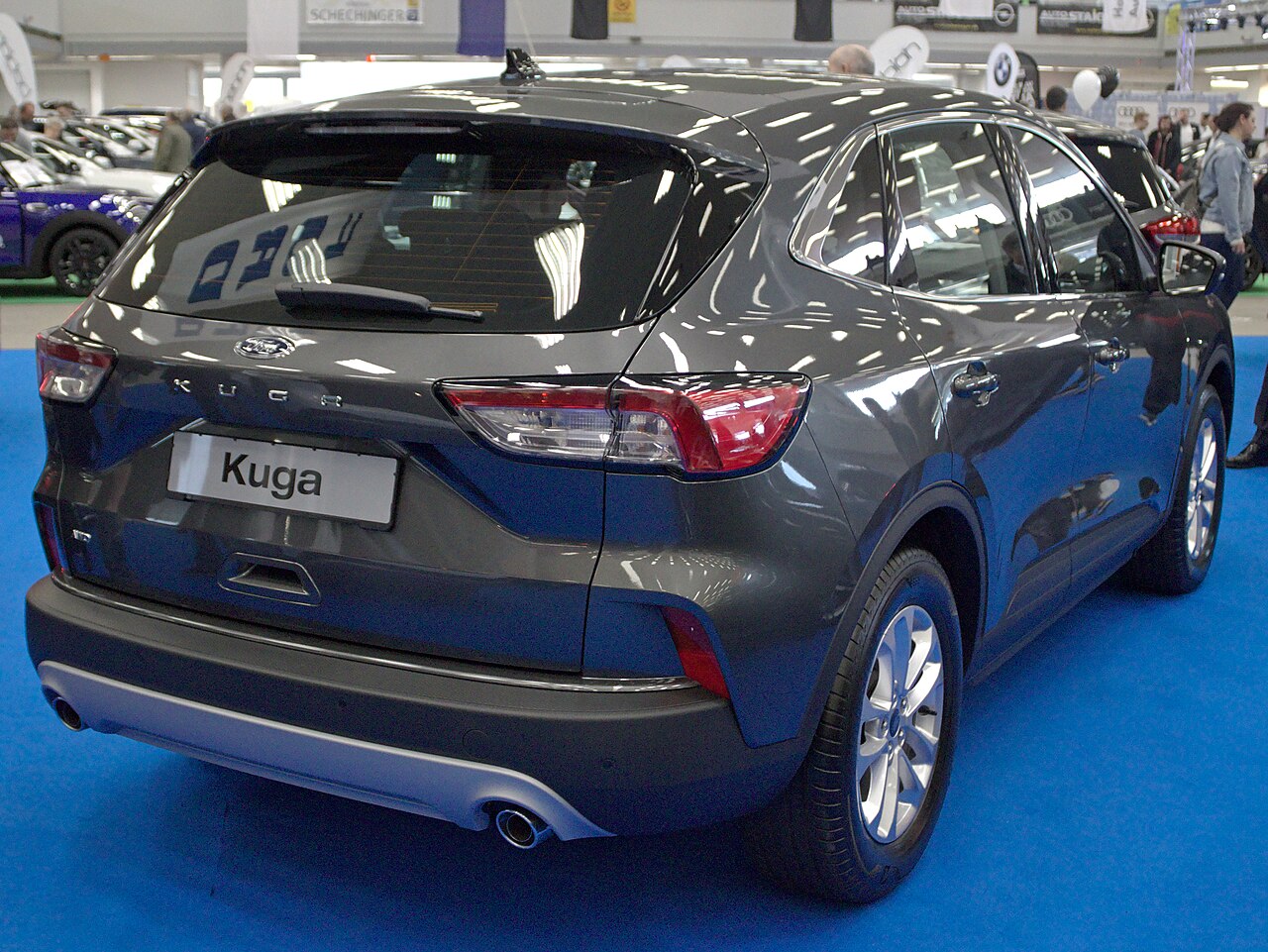
Third generation Ford Kuga SUV
Ford Kuga, third generation. Photo by Alexander Migl, CC BY-SA 4.0, via Wikimedia Commons.

How a Ford Kuga VIN is put together

The 17 characters split into three blocks, and because the layout follows a global standard, the same position always carries the same kind of information. The first three characters are the World Manufacturer Identifier, and most Kugas begin with WF0, the code for Ford built passenger cars in Europe. Characters four through eight describe the car, including the body and, most usefully, the engine, which is where an EcoBoost petrol is set apart from a TDCi or EcoBlue diesel or a hybrid. The ninth character is a check digit that validates the whole number. The last eight characters describe the individual car, with position ten the model year, position eleven the plant and the final six the sequential build number. The quick reference below covers the clues you will use most often when you read a Ford Kuga VIN.

VIN clue What it means
WMI WF0 Ford Kuga built by Ford in Europe
Position 8 Engine code, for example an EcoBoost petrol, a diesel or a hybrid unit
Position 9 Check digit that validates the whole VIN
Position 10 Model year code, for example E is 2014 and L is 2020
Position 11 Assembly plant code, such as Valencia or Saarlouis

You will find the number behind the windscreen on the driver’s side, on the plate in the door jamb and on the registration documents, and matching them is the first check worth doing.

A short history, generation by generation

The first Kuga arrived in 2008 as Ford’s stylish answer to the growing demand for compact SUVs, with petrol and diesel engines and the option of all wheel drive. The second generation of 2013 shared its platform with the global Escape and broadened the engine range with smaller EcoBoost petrol units. The third generation of 2019 was a bigger step, adding a self charging hybrid and a plug-in hybrid that became one of the more popular choices in its class. The table below sums up the generations.

Generation Years Body styles Key engines
Ford Kuga first generation 2008 to 2012 5-door SUV 2.0 and 2.5 petrol, 2.0 TDCi
Ford Kuga second generation 2013 to 2019 5-door SUV 1.5 and 1.6 EcoBoost, 2.0 TDCi
Ford Kuga third generation 2019 to present 5-door SUV 1.5 EcoBoost, EcoBlue diesel, hybrid and plug-in hybrid

Ford Kuga engines and specifications

Because the engine code sits in the middle of the VIN, a proper check confirms the engine the car was born with. The figures below cover the main configurations, with power as a range because output changed across model years.

Configuration Years Power Layout
Ford Kuga 1.5 EcoBoost 2016 to present about 120 to 182 hp Turbocharged petrol
Ford Kuga 2.0 EcoBoost 2008 to 2019 about 200 to 242 hp Turbocharged inline-4 petrol
Ford Kuga 2.0 TDCi 2008 to 2019 about 115 to 180 hp Turbocharged diesel
Ford Kuga 1.5 and 2.0 EcoBlue 2019 to present about 120 to 190 hp Turbocharged diesel
Ford Kuga 2.5 Duratec plug-in hybrid 2020 to present about 225 hp combined Petrol electric plug-in

Ford Kuga by model year

Buyers searching for a specific year want to know what they are getting, so the table below maps several model years to their VIN year code, generation and engine options. The same model year letter logic runs across the whole production run.

Model year VIN year code Generation Engine options
Ford Kuga 2010 A First generation 2.0 and 2.5 petrol, 2.0 TDCi
Ford Kuga 2014 E Second generation 1.6 EcoBoost, 2.0 TDCi
Ford Kuga 2017 H Second generation 1.5 EcoBoost, 2.0 TDCi
Ford Kuga 2020 L Third generation 1.5 EcoBoost, EcoBlue, plug-in hybrid
Ford Kuga 2022 N Third generation 1.5 EcoBoost, EcoBlue, hybrid
Ford Kuga 2024 R Third generation 1.5 EcoBoost, EcoBlue, plug-in hybrid

Reliability and the things worth checking

Reliability depends on the engine and on maintenance, and you should always run the VIN through the relevant recall check. The most common points to check are summarized below.

Engine or area What to check
Ford Kuga EcoBoost petrol Generally good, keep on top of cooling and regular oil changes
Ford Kuga diesel Strong, but check the diesel particulate filter, turbo and injectors on high mileage cars
Ford Kuga plug-in hybrid Confirm the high voltage battery state and that any recall work has been done
Ford Kuga all wheel drive On AWD cars check the system engages smoothly and listen for driveline noise

Ford Kuga VIN position by position

The Kuga uses the standard seventeen character VIN, so every one reads the same way. Take it in order and you can fix the year, the origin and the engine family before you trust the advert.

Position Name What it tells you on a Kuga
1 to 3 World Manufacturer Identifier WF0 marks a Ford built in Europe, the origin of the Kuga
4 to 8 Vehicle descriptor Trim, body and engine, where front drive is separated from all wheel drive and petrol from diesel
9 Check digit A calculated character that validates the rest of the VIN
10 Model year A single character, listed in the chart below
11 Assembly plant The European Ford factory that built the car
12 to 17 Serial number The build sequence unique to that Kuga

Ford Kuga model year codes (position 10)

The tenth character is the quickest way to date a Kuga. Match your letter or number below.

Model year Code in position 10
Ford Kuga 2008 8
Ford Kuga 2009 9
Ford Kuga 2010 A
Ford Kuga 2011 B
Ford Kuga 2012 C
Ford Kuga 2013 D
Ford Kuga 2014 E
Ford Kuga 2015 F
Ford Kuga 2016 G
Ford Kuga 2017 H
Ford Kuga 2018 J
Ford Kuga 2019 K
Ford Kuga 2020 L
Ford Kuga 2021 M
Ford Kuga 2022 N
Ford Kuga 2023 P
Ford Kuga 2024 R

Where to find the VIN on a Ford Kuga

Read the VIN through the base of the windscreen on the driver side, and check it against the plate or label in the driver door area. The two should agree. On a used family SUV like this, a quick VIN read is the easiest way to confirm the advert matches the actual car and its trim.

Reading a Kuga VIN in practice

Take a VIN that opens with WF0 and shows K in position ten. That already places it as a European built Ford from the 2019 model year. The descriptor characters then tell you the drive layout and whether it is petrol, diesel or a hybrid, and the closing six digits are the car’s own serial number.

Buying a used Ford Kuga

When you find one worth pursuing, decode the VIN first and make sure the model year, engine and drive type line up with the advertisement, then run the same number through the relevant recall check, which is especially important on the plug-in hybrid. Confirm the service history, since diesels and hybrids reward careful maintenance, and check that the all wheel drive, where fitted, works as it should. When you are ready, enter your Ford Kuga VIN in the decoder above to confirm the year, engine, drive type and plant, then use the advice here to make sure the car is genuinely what it claims to be.

Ford Ka VIN Decoder: Generations, Engines and VIN Lookup Guide

Every Ford Ka carries a 17-character Vehicle Identification Number, and decoding it is the quickest way to confirm what a given city car really is before you trust a listing. The VIN reveals the model year, the plant it came from, the engine fitted at the factory, the body style and the safety equipment. On a used Ka this matters most for confirming the exact engine and generation, and verifying the model year a seller claims. Run any Ka VIN through the decoder above to read it in seconds. The guide below explains how the number is built, walks through the generations, and points out what to check on each.

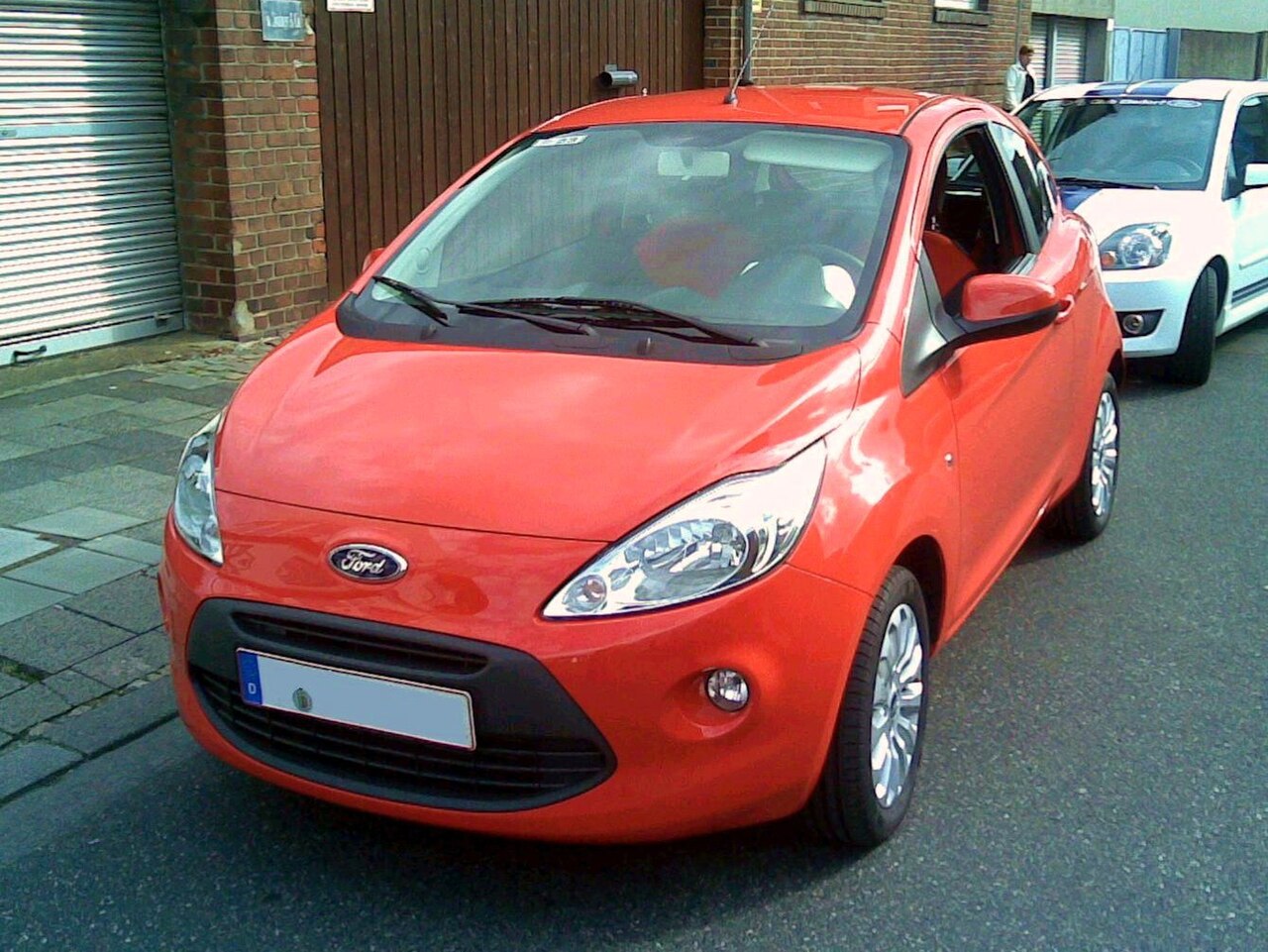
2009 Ford Ka, front view
2009 Ford Ka. Photo by KAgamemnon, CC BY 3.0, via Wikimedia Commons.

How a Ford Ka VIN is put together

The 17 characters follow a global standard, so each position carries fixed meaning. The first three are the World Manufacturer Identifier, which depends on where the car was built. European Ka models built in Europe typically begin with WF0, the identifier for Ford in Europe, while the later Ka Plus built in India carries a different identifier. Characters four through eight describe the body, the restraint system and the engine. The ninth character is a check digit, the tenth is the model year, the eleventh is the plant, and the final six are the unique build sequence.

VIN clue What it means
WMI WF0 Ford Ka built by Ford in Europe
Position 9 Check digit that validates the whole VIN
Position 10 Model year code (for example A is 2010, J is 2018)
Positions 4 to 8 Body style, restraint system and engine family
Positions 12 to 17 Unique sequential build number

You will find the VIN at the base of the windshield on the driver’s side, on the door jamb label, and in the registration paperwork.

Ford Ka VIN position by position

The Ka is a small city car that changed a lot across its life, and it was built in more than one country, so the VIN is useful for confirming both the year and the origin. It uses the standard seventeen character layout. The first Ka was built in Spain, the second shared its underpinnings with the Fiat 500 and was built in Poland, and the Ka Plus came from India.

Position Name What it tells you on a Ka
1 to 3 World Manufacturer Identifier WF0 for the earlier European cars, while the later cars built in Poland and India carry different codes
4 to 8 Vehicle descriptor Body, trim and engine
9 Check digit A calculated character that validates the rest of the VIN
10 Model year A single character, listed in the chart below
11 Assembly plant The factory that built the car
12 to 17 Serial number The build sequence unique to that Ka

Ford Ka model year codes (position 10)

The tenth character gives the model year. Match your letter or number below.

Model year Code in position 10
Ford Ka 2000 Y
Ford Ka 2001 1
Ford Ka 2002 2
Ford Ka 2003 3
Ford Ka 2004 4
Ford Ka 2005 5
Ford Ka 2006 6
Ford Ka 2007 7
Ford Ka 2008 8
Ford Ka 2009 9
Ford Ka 2010 A
Ford Ka 2011 B
Ford Ka 2012 C
Ford Ka 2013 D
Ford Ka 2014 E
Ford Ka 2015 F
Ford Ka 2016 G

Where to find the VIN on a Ford Ka

Read the VIN through the base of the windscreen on the driver side and check it against the plate or label in the door area. These were cheap runabouts that changed hands often, so a quick VIN read is the simplest way to confirm the year and history match the advert.

Reading a Ka VIN in practice

Take a car whose VIN opens with WF0 and shows 6 in position ten. That places it as a European built Ford from the 2006 model year, one of the first generation cars. The descriptor section then shows the trim and engine, and the closing six digits are the car’s own serial number.

Generations of the Ford Ka

The Ka was Ford’s smallest car in Europe and a popular first car for many drivers. The first generation ran from 1996 with distinctive styling on Fiesta mechanicals, the second generation from 2008 shared its platform with the Fiat 500, and the larger Ka Plus from 2016 moved the model into the small hatchback class before it was discontinued.

Generation Years Body Key engines VIN type
Ford Ka first generation 1996 to 2008 Three-door city car 1.3 petrol 17-character
Ford Ka second generation 2008 to 2016 Three-door city car 1.2 petrol, 1.3 diesel 17-character
Ford Ka Plus 2016 to 2019 Five-door hatchback 1.2 and 1.5 petrol, 1.5 diesel 17-character

Ford Ka engines and specifications

Because the engine code sits in the middle of the VIN, a check confirms the engine the car was built with, which is exactly what you want when a listing is vague about the unit.

Configuration Years Power Fuel
Ford Ka 1.3 petrol 1996 to 2008 about 60 to 70 hp Petrol
Ford Ka 1.2 petrol 2008 to 2016 about 69 hp Petrol
Ford Ka Plus 1.2 petrol 2016 to 2019 about 70 to 85 hp Petrol
Ford Ka Plus 1.5 diesel 2018 to 2019 about 95 hp Diesel

Ford Ka by model year

The Ka follows the standard VIN year characters, so position ten quickly confirms the year a seller claims.

Model year VIN year code Generation
Ford Ka 2010 A Second generation
Ford Ka 2013 D Second generation
Ford Ka 2015 F Second generation
Ford Ka 2017 H Ka Plus
Ford Ka 2018 J Ka Plus

Reliability and the things worth checking

The Ka is simple and generally dependable, but its age and city use mean condition matters. Confirm a specific car against the relevant records by its VIN where possible.

Area What to check
Ford Ka first generation bodywork Early cars are prone to rust, so inspect arches, sills and floors carefully
Ford Ka second generation Shares parts with the Fiat 500; confirm cam belt and service history
Ford Ka clutch and gearbox City cars get heavy clutch use, so check for wear on a test drive
Ford Ka general Inspect for parking damage and confirm a clean accident record

A VIN check together with a careful inspection, especially for rust on older cars, is the best way to avoid a tired Ka.

Buying a used Ford Ka

Decode the VIN first and confirm the model year, engine and generation match the advertisement. On these affordable city cars, condition and a tidy service history matter more than specification, and on the first generation a rust-free body is the single most important thing to confirm. When you are ready, enter your Ford Ka VIN in the decoder above to confirm the year, engine and configuration before you buy.

The Ford Ixion is one of the more unusual cars to wear a Ford badge. It was a compact people mover sold mainly in Japan from 1999, and under the skin it was a Mazda Premacy, built by Mazda and rebadged for Ford dealers in that market. Because it was a Japanese market car rather than a European or American Ford, it is identified in a different way from the models most people picture when they think of a Ford VIN.

How a Ford Ixion is identified

Cars built for the Japanese home market do not use the seventeen character VIN that Ford applies in Europe and North America. Instead they carry a Japanese chassis number, a shorter code that starts with a model type prefix and is followed by a serial number. On the Ixion that prefix ties the car back to its Mazda Premacy origins. You will find the chassis number on the identification plate in the engine bay and on the vehicle documents, and it is the number an importer or a parts supplier will ask for.

What the Ixion actually is

Knowing the car is a rebadged Mazda Premacy is the single most useful fact for an owner. It means that for servicing, parts and technical information you are really looking after a Premacy of the same year. The Ixion was a small, practical five door with flexible seating, aimed at families who wanted more space than a normal hatchback without moving up to a full size van.

Detail Ford Ixion
Sold from 1999, mainly in Japan
Built by Mazda, as a rebadged Mazda Premacy
Body Compact five door people mover
Identification Japanese chassis number, not a Western seventeen character VIN

Where to find the number on a Ford Ixion

Look for the maker’s plate in the engine bay and the stamped chassis number on the body, and check both against the import and registration paperwork. Because these cars reach other countries as used imports, matching the plate to the documents matters even more than usual, since the paperwork is what your local authority will register the car against.

Buying an imported Ford Ixion

Treat it as you would any used Japanese import. Confirm the chassis number on the car matches the papers, look for the service history, and remember that mechanically it is a Mazda Premacy, so a Mazda specialist can help where a Ford dealer may not recognise the name. A clean, well kept example with clear import documents is the one to hold out for.

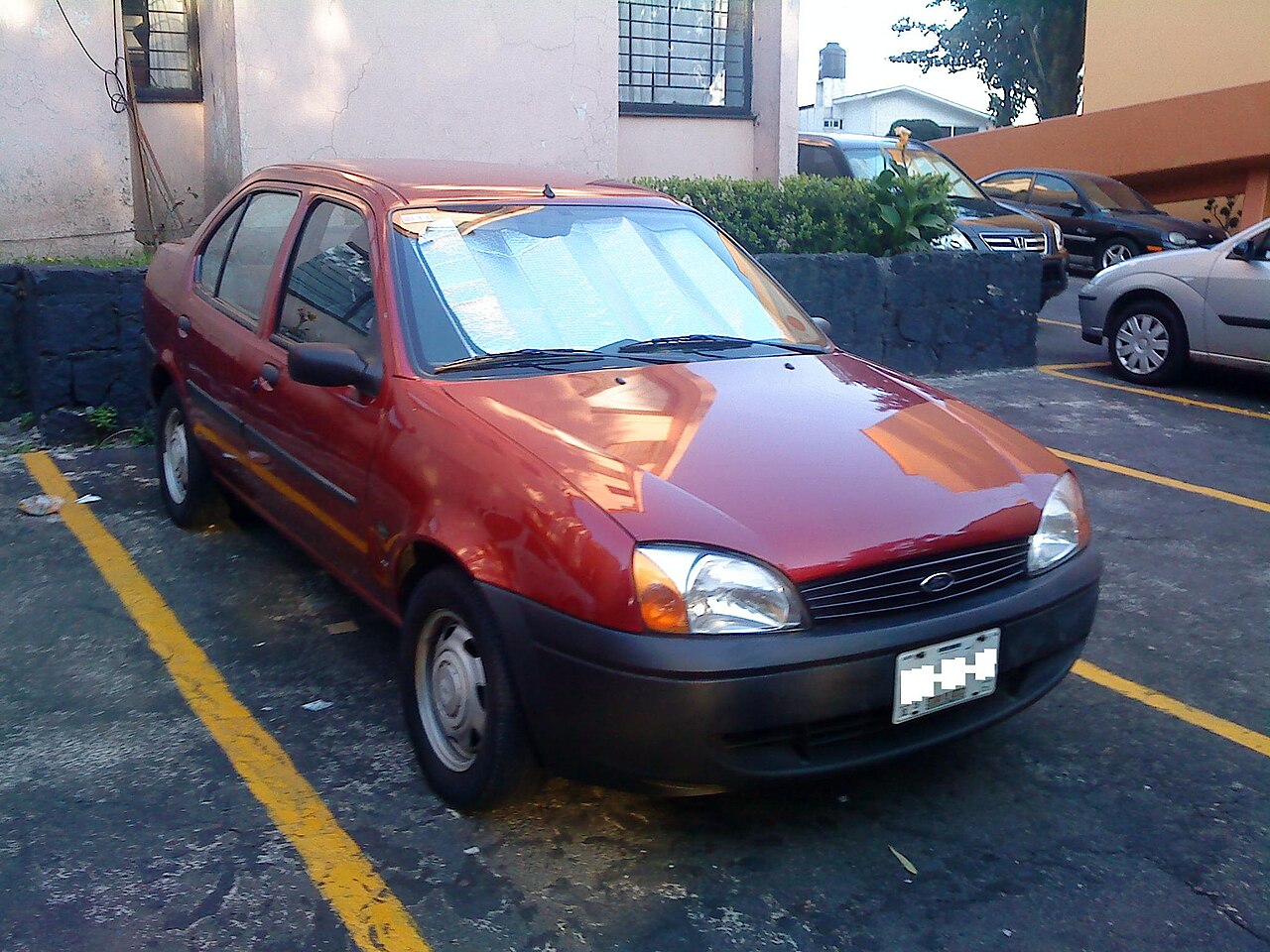
Ford Ikon VIN Decoder: Generations, Engines and VIN Lookup Guide

Every Ford Ikon carries a 17 character Vehicle Identification Number, and reading it is the quickest way to confirm what a particular car really is before you trust a listing. The Ikon was a compact sedan built mainly for India from 2000 to 2011, based on the Fiesta and marketed as the Josh Machine, a popular and affordable family saloon. The VIN settles the model year, the engine the car left the line with and the plant that built it. You can run any Ikon VIN through the decoder at the top of this page and read the result in a few seconds. The rest of this guide explains how the number is built, walks through the car, and points out what to check when you look one over.

2001 Ford Ikon sedan
2001 Ford Ikon. Photo by Alfacevedoa, Public domain, via Wikimedia Commons.

How a Ford Ikon VIN is put together

The 17 characters split into three blocks, and because the layout follows a global standard, the same position always carries the same kind of information. The first three characters are the World Manufacturer Identifier. The Ikon was built in Chennai, so its VIN begins with the code for Ford India, MAJ. Characters four through eight describe the car, including the body and, most usefully, the engine, which is where a Rocam petrol is set apart from the diesel. The ninth character is a check digit that validates the whole number. The last eight characters describe the individual car, with position ten the model year, position eleven the plant and the final six the sequential build number. The quick reference below covers the clues you will use most often when you read a Ford Ikon VIN.

VIN clue What it means
WMI MAJ Ford Ikon built by Ford in India
Position 8 Engine code, for example a 1.3 or 1.6 Rocam petrol or a diesel
Position 9 Check digit that validates the whole VIN
Position 10 Model year code, for example 6 is 2006 and 9 is 2009
Position 11 Assembly plant code

You will find the number behind the windscreen, on the plate in the door jamb and on the registration documents, and matching them is the first check worth doing.

Ford Ikon VIN position by position

The Ikon was a compact saloon built in India on the Fiesta platform, and it uses the seventeen character VIN. Read it in order and you can settle the origin, the year and the engine before you trust the advert.

Position Name What it tells you on an Ikon
1 to 3 World Manufacturer Identifier MAJ marks a car built by Ford in India, where the Ikon was made
4 to 8 Vehicle descriptor Body, trim and engine, whether the petrol or the diesel
9 Check digit A calculated character that validates the rest of the VIN
10 Model year A single character, listed in the chart below
11 Assembly plant The Ford factory that built the car
12 to 17 Serial number The build sequence unique to that Ikon

Ford Ikon model year codes (position 10)

The tenth character gives the model year. Match your letter or number below.

Model year Code in position 10
Ford Ikon 2000 Y
Ford Ikon 2001 1
Ford Ikon 2002 2
Ford Ikon 2003 3
Ford Ikon 2004 4
Ford Ikon 2005 5
Ford Ikon 2006 6
Ford Ikon 2007 7
Ford Ikon 2008 8
Ford Ikon 2009 9
Ford Ikon 2010 A
Ford Ikon 2011 B

Where to find the VIN on a Ford Ikon

Read the VIN through the base of the windscreen on the driver side and check it against the plate or label in the door area. On a car sold mainly in one market, matching the number to the documents is the simplest check before you buy.

Reading an Ikon VIN in practice

Take a VIN that starts with MAJ and shows 6 in position ten. That already tells you it is an Indian built Ford from the 2006 model year. The descriptor characters then show the engine and trim, and the closing six digits are the car’s own serial number.

A short history of the Ford Ikon

The Ikon arrived in 2000 as Ford’s first car developed with the Indian market firmly in mind, a three box sedan on Fiesta underpinnings with a roomy cabin and a sprightly Rocam petrol engine that the marketing leaned on heavily. It became a familiar sight on Indian roads, gained a diesel option for high mileage drivers, and received a thorough makeover in 2010 before being replaced. The table below sums up the car.

Generation Years Body Key engines
Ford Ikon first generation 2000 to 2010 4-door sedan 1.3 and 1.6 petrol, 1.8 diesel
Ford Ikon facelift 2010 to 2011 4-door sedan 1.4 TDCi diesel, 1.6 petrol

Ford Ikon engines and specifications

Because the engine code sits in the middle of the VIN, a proper check confirms the engine the car was born with. The figures below cover the main configurations, with power as a range because output varied across the run.

Configuration Years Power Layout
Ford Ikon 1.3 Rocam 2000 to 2010 about 70 hp Inline-4 petrol
Ford Ikon 1.6 Rocam 2000 to 2011 about 95 hp Inline-4 petrol
Ford Ikon 1.8 Endura diesel 2000 to 2010 about 60 hp Inline-4 diesel
Ford Ikon 1.4 TDCi 2005 to 2011 about 68 hp Turbocharged diesel

Ford Ikon by model year

Buyers searching for a specific year want to know what they are getting, so the table below maps several model years to their VIN year code and engine options. The same model year letter logic runs across the production run.

Model year VIN year code Engine options
Ford Ikon 2002 2 1.3 and 1.6 petrol, 1.8 diesel
Ford Ikon 2006 6 1.3 and 1.6 petrol, 1.4 TDCi
Ford Ikon 2009 9 1.3 and 1.6 petrol, 1.4 TDCi
Ford Ikon 2011 B 1.4 TDCi, 1.6 petrol

Reliability and the things worth checking

The Ikon is simple and cheap to run, but every car is now old and many have worked hard, so condition and history matter most. The most common points to check are summarized below.

Engine or area What to check
Ford Ikon Rocam petrol Durable, confirm timing belt history and cooling system condition
Ford Ikon diesel Check the injectors and for the wear that comes with high mileage
Ford Ikon suspension The suspension takes a beating on rough roads, so check bushes and shocks
Ford Ikon body Check for corrosion, accident repair and interior wear

Buying a used Ford Ikon

When you find one worth pursuing, decode the VIN first and make sure the model year and engine line up with the advertisement, then confirm the service history. These are inexpensive cars, so condition matters most, and you should check the suspension, the engine service record and the body carefully. When you are ready, enter your Ford Ikon VIN in the decoder above to confirm the year, engine and plant, then use the advice here to make sure the car is genuinely what it claims to be.
Ford GT40 VIN Decoder: History, Engines and VIN Lookup Guide

Every Ford GT40 carries a chassis number, and reading it is the quickest way to confirm what a particular car really is, which on a car this rare and valuable is the whole game. The GT40 was the mid-engined racer Ford built to beat Ferrari at Le Mans, and it did, winning the race four years running from 1966 to 1969. As a 1960s racing and road car it carries a chassis number rather than a modern VIN, and that number, with the car’s documented history, is what proves its identity.

You can run a GT40 number through the decoder at the top of this page, and the guide below explains how the numbering works, walks through the variants, and points out what matters most when you check one.

1966 Ford GT40 racing car
1966 Ford GT40. Photo by Alexander Migl, CC BY-SA 4.0, via Wikimedia Commons.

How a Ford GT40 VIN is put together

The GT40 predates the 17 character VIN, so it carries a chassis number rather than a modern VIN. The number identifies the individual car and its build series, for example the prefixes used for the various marks, and on a GT40 it is inseparable from the car’s racing and ownership history, which collectors and historians track in detail.

Because genuine GT40s are worth enormous sums and continuation and replica cars exist, the chassis number must be verified against recognised registries and documented provenance. The quick reference below covers the clues you will use most often when you read a Ford GT40 number.

VIN clue What it means
Chassis number Identifies the individual car and its build series
Mark Mk I, Mk II, Mk III or Mk IV
Engine The 4.7 small-block or the 7.0 big-block V8
Registry records Recognised registries track each genuine chassis
Provenance Racing and ownership history confirm authenticity

On a car of this value, verifying the chassis number against the registries and the documented history is the single most important check.

A short history, mark by mark

The GT40 began in 1964 as Ford’s weapon against Ferrari, and after early struggles it was developed into a winner. The Mk I used a small-block V8 and took the car from also ran to race winner, the Mk II with its 7.0 litre big-block won Le Mans outright in 1966, and the American built Mk IV won again in 1967. A small number of Mk III road cars were built for the street. The name lived on as the inspiration for the modern Ford GT. The table below sums up the marks.

Mark Years Role Engine
Ford GT40 Mk I 1964 to 1968 Race and road coupe 4.7 V8
Ford GT40 Mk II 1965 to 1966 Race coupe 7.0 V8
Ford GT40 Mk III 1967 to 1969 Road coupe 4.7 V8
Ford GT40 Mk IV 1967 Race coupe 7.0 V8

Ford GT40 engines and specifications

The GT40 used two very different engines, and which one a car has is central to its identity and value. The figures below cover both, with power as a range because race tune varied.

Configuration Years Power Layout
Ford GT40 4.7 V8 1964 to 1969 about 335 to 380 hp Small-block V8
Ford GT40 7.0 V8 1965 to 1967 about 485 to 500 hp FE big-block V8

Ford GT40 by model year

The GT40 was built in tiny numbers across the mid to late 1960s, and each car is identified by its chassis number rather than the 17 character VIN. The table below maps the key years and marks.

Model year Identification Marks Engines
Ford GT40 1965 chassis number Mk I and Mk II 4.7 and 7.0 V8
Ford GT40 1966 chassis number Mk I and Mk II 4.7 and 7.0 V8
Ford GT40 1967 chassis number Mk III and Mk IV 4.7 and 7.0 V8
Ford GT40 1968 chassis number Mk I 4.7 V8

Reliability and the things worth checking

A GT40 is a historic competition car rather than an everyday machine, so authenticity, history and the integrity of the car matter far more than ordinary reliability. The most important points to check are summarized below.

Area What to check
Ford GT40 authenticity Verify the chassis number against recognised registries and documented provenance
Ford GT40 history Racing and ownership history is central to value, so confirm it in detail
Ford GT40 originality Establish which components are original and which have been replaced over a racing life
Ford GT40 expert inspection Have a recognised marque historian inspect the car before any purchase

Buying a used Ford GT40

When you find one, the chassis number, the registries and the documented history are everything. Genuine GT40s change hands rarely and for very large sums, so verify the car’s identity through recognised experts, understand exactly what is original, and be clear about whether a car is an original, a continuation or a replica before any money is discussed.

When you are ready, enter your Ford GT40 number in the decoder above, then use the advice here to make sure the car is genuinely what it claims to be.

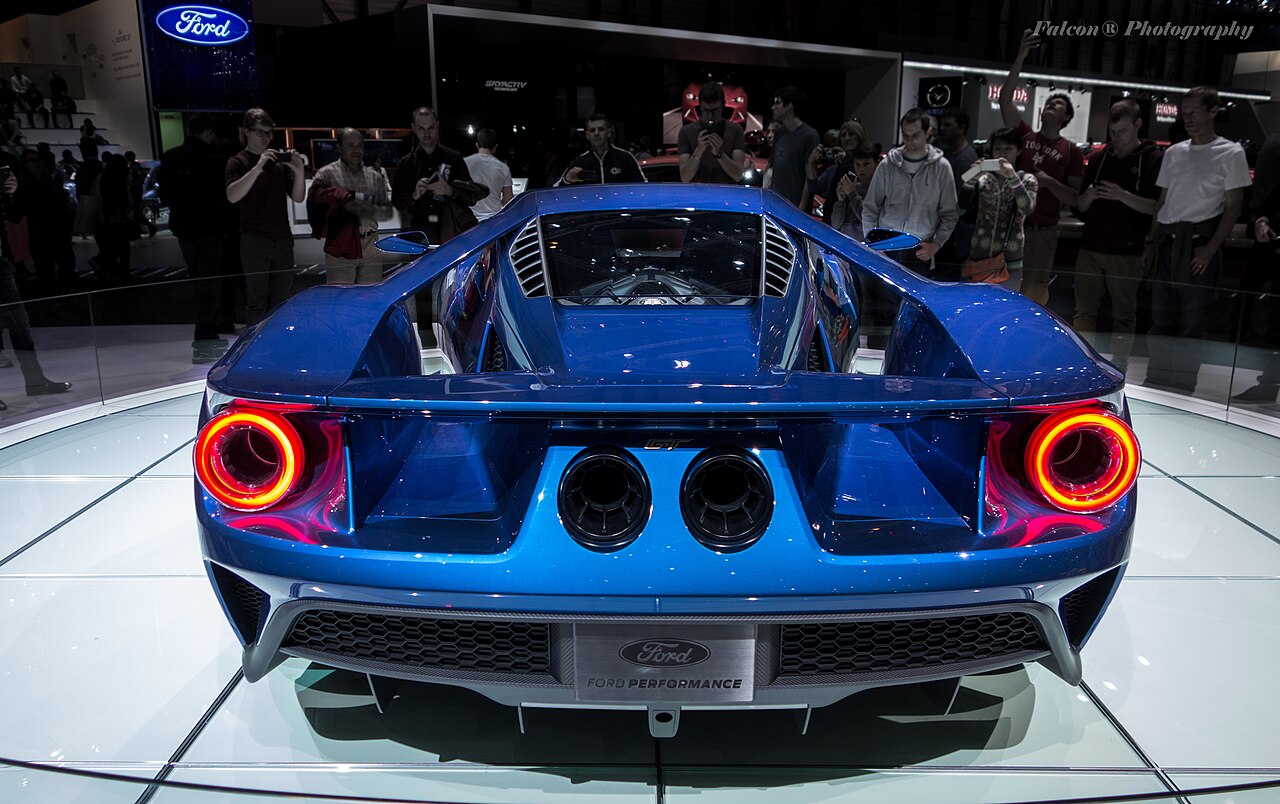
Ford GT VIN Decoder: Generations, Engines and VIN Lookup Guide

Every Ford GT carries a 17 character Vehicle Identification Number, and reading it is the quickest way to confirm what a particular car really is before you trust a listing. The GT is Ford’s modern supercar, a homage to the Le Mans winning GT40, built in two short and highly collectible runs: a supercharged V8 car for 2005 and 2006, and a twin turbo V6 car from 2017 to 2022. On cars this valuable the VIN is central to proving the year, the specification and the car’s identity. You can run any Ford GT VIN through the decoder at the top of this page and read the result in a few seconds. The rest of this guide explains how the number is built, walks through both generations, and points out what matters most when you check one.

2016 Ford GT supercar
2016 Ford GT. Photo by Falcon® Photography from France, CC BY-SA 2.0, via Wikimedia Commons.

How a Ford GT VIN is put together

The 17 characters split into three blocks, and because the layout follows a global standard, the same position always carries the same kind of information. The first three characters are the World Manufacturer Identifier. The first generation GT was built in the United States and begins with 1FA, while the second generation was built in Canada by Multimatic. Characters four through eight describe the car, including the body and the engine, which is where the supercharged V8 is set apart from the twin turbo V6. The ninth character is a check digit that validates the whole number. The last eight characters describe the individual car, with position ten the model year, position eleven the plant and the final six the sequential build number. The quick reference below covers the clues you will use most often when you read a Ford GT VIN.

VIN clue What it means
WMI 1FA First generation Ford GT built in the United States
Position 8 Engine code, the supercharged 5.4 V8 or the 3.5 EcoBoost V6
Position 9 Check digit that validates the whole VIN
Position 10 Model year code, for example 5 is 2005 and H is 2017
Position 11 Assembly plant code

You will find the number at the base of the windshield and on the documentation, and on a car of this value confirming the VIN against the title and the build records is essential.

Ford GT VIN position by position

The Ford GT is a modern supercar, so unlike the 1960s GT40 it does carry a seventeen character VIN. There have been two runs, the 2005 to 2006 car built in the United States and the 2017 onward car built in Canada. Given the values involved and the tightly controlled build numbers, the VIN together with the full history file is what establishes a genuine car.

Position Name What it tells you on a Ford GT
1 to 3 World Manufacturer Identifier 1FA for the 2005 to 2006 car built in the United States, while the 2017 onward car was built in Canada
4 to 8 Vehicle descriptor Body and the engine, the supercharged V8 on the first car and the EcoBoost V6 on the second
9 Check digit A calculated character that validates the rest of the VIN
10 Model year A single character, listed in the charts below
11 Assembly plant The factory that built the car
12 to 17 Serial number The build sequence unique to that car

First generation model year codes, 2005 to 2006 (position 10)

Model year Code in position 10
Ford GT 2005 5
Ford GT 2006 6

Second generation model year codes, 2017 to 2022 (position 10)

Model year Code in position 10
Ford GT 2017 H
Ford GT 2018 J
Ford GT 2019 K
Ford GT 2020 L
Ford GT 2021 M
Ford GT 2022 N

Where to find the VIN on a Ford GT

Read the VIN through the base of the windscreen on the driver side and check it against the plate in the door area and the car’s documents. On a car at this level, the VIN alone means little without the full history, so verification through the marque records and the original paperwork is essential.

Reading a Ford GT VIN in practice

Take a car whose VIN opens with 1FA and shows 5 in position ten. That marks it as a United States built car from the 2005 model year, one of the first generation supercars. A later car built in Canada with H in that slot points to a 2017 model. The descriptor section confirms the engine, and the closing digits are the serial number.

A short history, generation by generation

The first Ford GT arrived for 2005 to mark Ford’s centenary, a mid-engined supercar styled after the original GT40 and powered by a supercharged 5.4 litre V8. Just over four thousand were built across 2005 and 2006, and they have become blue chip modern classics. The second generation of 2017 was a far more extreme, carbon fibre racing car for the road, powered by a twin turbo 3.5 litre EcoBoost V6, built in tiny numbers and sold only to approved buyers. The table below sums up both generations.

Generation Years Body Engine
Ford GT first generation 2005 to 2006 Mid-engined coupe 5.4 supercharged V8
Ford GT second generation 2017 to 2022 Mid-engined coupe 3.5 EcoBoost V6

Ford GT engines and specifications

Because the engine is encoded in the VIN, a proper check confirms what the car was born with. The figures below cover the two GT engines.

Configuration Years Power Layout
Ford GT 5.4 supercharged V8 2005 to 2006 about 550 hp Supercharged V8
Ford GT 3.5 EcoBoost V6 2017 to 2022 about 647 hp Twin-turbocharged V6

Ford GT by model year

Buyers searching for a specific year want to know what they are getting, so the table below maps each model year to its VIN year code and engine.

Model year VIN year code Engine
Ford GT 2005 5 5.4 supercharged V8
Ford GT 2006 6 5.4 supercharged V8
Ford GT 2017 H 3.5 EcoBoost V6
Ford GT 2019 K 3.5 EcoBoost V6
Ford GT 2022 N 3.5 EcoBoost V6

Reliability and the things worth checking

These are low mileage collector cars rather than daily drivers, so provenance and condition matter far more than ordinary reliability concerns. The most important points to check are summarized below.

Area What to check
Ford GT provenance Confirm the VIN against build records and full history, as authenticity drives value
Ford GT supercharged V8 Check for correct servicing and any signs of track use on the first generation
Ford GT carbon body On the second generation inspect the carbon fibre body and aero parts for damage
Ford GT mileage and storage Confirm how the car has been stored and used, and check for flat-spotted tyres and fluids

Buying a used Ford GT

When you find one, the VIN and a documented history are everything, so confirm the car’s identity against the build records and check that the specification matches what the seller claims. Have a marque specialist inspect it, confirm servicing, and treat originality and provenance as the main drivers of value. When you are ready, enter your Ford GT VIN in the decoder above to confirm the year, engine and plant, then use the advice here to make sure the car is genuinely what it claims to be.

Ford Granada (North America) VIN Decoder: Generations, Engines and VIN Lookup Guide

Every North American Ford Granada carries an identification number, and reading it is the quickest way to confirm what a particular car really is before you trust a seller’s description. This Granada was a compact American sedan and coupe built from 1975 to 1982, a different car from the European Granada, sold as an affordable alternative to pricier compacts and closely related to the Mercury Monarch. The number confirms the model year, the engine the car left the line with and the plant that built it. You can run a Granada number through the decoder at the top of this page, and the guide below explains how the number is built, walks through both generations, and points out what to check when you look one over.

How a Ford Granada VIN is put together

The first generation Granada, built from 1975 to 1980, predates the 17 character VIN and uses a shorter Ford identification number found on the data plate and the body. From 1981 the second generation car switched to the modern 17 character VIN, which begins with 1FA for Ford built passenger cars in the United States. In the earlier format the first character is the model year, the second is the assembly plant, and further characters give the body and engine codes before the sequential build number. In the later 17 character VIN the engine sits in the middle block and position ten gives the model year. The quick reference below covers the clues you will use most often when you read a Ford Granada number.

VIN clue What it means
First character (1975 to 1980) Model year, for example 6 is 1976 and 0 is 1980
WMI 1FA (1981 to 1982) Ford Granada built by Ford in the United States
Engine code For example a 250 six, a 255 V8 or a 302 V8
Check digit (1981 to 1982) Position nine validates the 17 character VIN
Assembly plant The factory that built the car

On a car this old, matching the number on the data plate with the title and any other stampings is the first check worth doing.

How a Ford Granada is identified

This is the North American Granada, a compact from the late 1970s and early 1980s, and it sits right on the change to the modern VIN. Cars from the 1981 model year on carry the seventeen character VIN, which begins with 1FA on a United States built Ford passenger car. The earlier cars, from 1975 to 1980, predate that system and instead are identified by an older Ford number, a shorter code stamped on the car and set out on the door data plate.

What the old Ford number tells you

On the 1975 to 1980 cars the stamped number and the data plate together record the model year, the plant, the body style and the engine. Restorers translate each field against a year specific Ford chart rather than reading it straight through like a modern VIN. On the 1981 and 1982 cars you read the seventeen character VIN in the usual way, with the tenth character giving the model year.

Where to find the number on a Ford Granada

On the later cars the VIN reads through the windshield at the base of the glass on the driver side and repeats on the door jamb label. On the earlier cars look for the data plate on the door or door pillar and the stamped number on the body. On any car of this age, the plate, the stamped number and the paperwork all need to agree before you buy.

A short history, generation by generation

The Granada arrived in 1975 as a neatly styled compact that Ford marketed as a sensible, near luxury choice, and it sold strongly through the late 1970s on the same rear wheel drive platform that underpinned the Maverick. For 1981 the Granada moved onto the Fox platform, sharing much with the Fairmont, and added a four cylinder option before the name gave way to the LTD in 1983. The table below sums up both generations.

Generation Years Body styles Key engines
Ford Granada first generation 1975 to 1980 Sedan, coupe 200 and 250 six, 302 and 351 V8
Ford Granada second generation 1981 to 1982 Sedan, coupe 2.3 I4, 200 six, 255 and 302 V8

Ford Granada engines and specifications

Because the engine code is part of the number, a proper check confirms the engine the car was born with. The figures below cover the main engines, with power as a range because output changed across the years.

Configuration Years Power Layout
Ford Granada 200 and 250 six 1975 to 1982 about 85 to 100 hp Inline-6
Ford Granada 2.3 I4 1981 to 1982 about 88 hp Inline-4 petrol
Ford Granada 302 V8 1975 to 1982 about 130 to 140 hp Small-block V8
Ford Granada 351 V8 1975 to 1977 about 150 hp Windsor V8

Ford Granada by model year

Buyers searching for a specific year want to know what they are getting, so the table below maps several model years to their year code, generation and engine options. Cars from 1975 to 1980 use the year digit, while 1981 and 1982 cars use the 17 character VIN year code.

Model year Year code Generation Engine options
Ford Granada 1976 6 First generation 250 six, 302 V8
Ford Granada 1978 8 First generation 250 six, 302 V8
Ford Granada 1980 0 First generation 200 six, 302 V8
Ford Granada 1981 B Second generation 2.3 I4, 255 V8
Ford Granada 1982 C Second generation 200 six, 302 V8

Reliability and the things worth checking

These are simple, easy to service cars, but every survivor is old now, so condition matters far more than reputation. The most common points to check are summarized below.

Engine or area What to check
Ford Granada inline six Tough and simple, watch for age related oil leaks and cooling neglect
Ford Granada 302 V8 Durable and easy to service, confirm general condition and history
Ford Granada body Rust in floors, lower panels and around the rear window is the main enemy
Ford Granada originality Verify the engine and trim against the data plate

Buying a used Ford Granada

When you find one worth pursuing, read the number first and make sure the model year and engine line up with the seller’s description and the title. These are inexpensive cars now, so condition and a clean history matter most, and you should check carefully for corrosion, which is the thing most likely to end an otherwise sound car. When you are ready, enter your Ford Granada number in the decoder above to confirm the year, engine and plant, then use the advice here to make sure the car is genuinely what it claims to be.
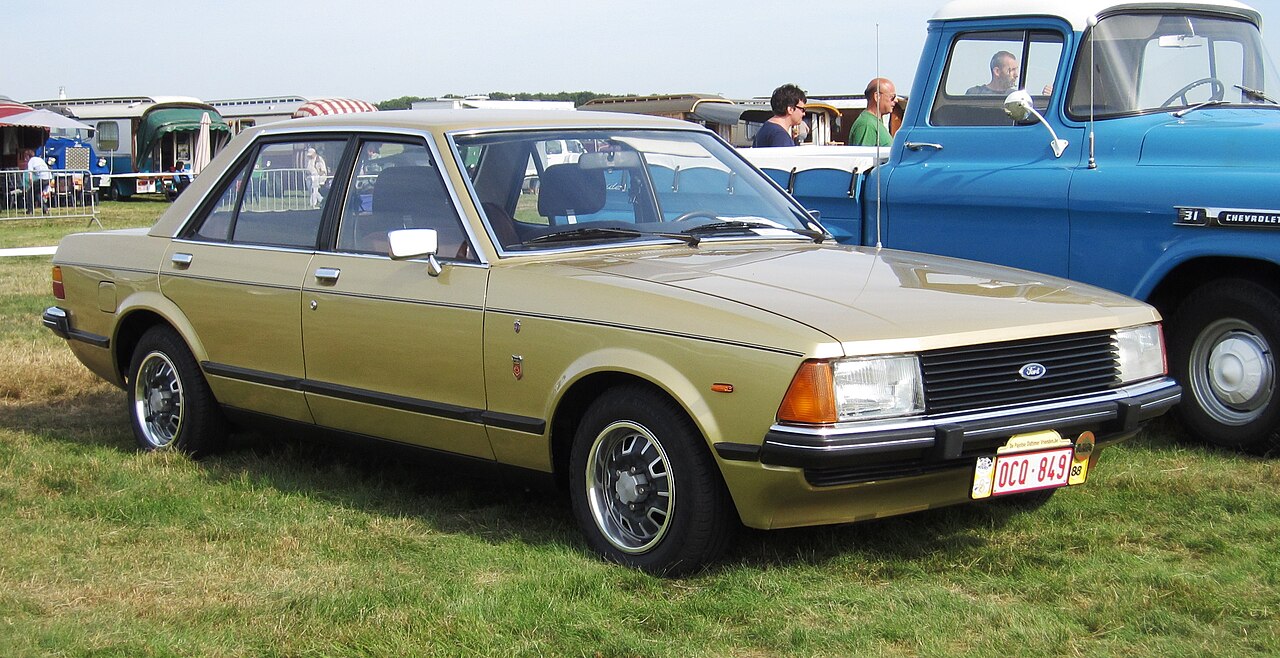
Ford Granada VIN Decoder: Generations, Engines and VIN Lookup Guide

Every Ford Granada carries an identification number, and reading it is the quickest way to confirm what a particular car really is before you trust a listing. The Granada was Ford of Europe’s executive car from 1972 to 1985, sold as a saloon, a coupe and an estate, and it became a fixture on European roads and television screens alike. The number confirms the model year, the engine the car left the line with and the plant that built it, and for cars from the early 1980s it follows the modern 17 character VIN. You can run a Granada number through the decoder at the top of this page, and the guide below explains how the number is built, walks through both generations, and points out what to check when you look one over.

Ford Granada Mk2 saloon, around 1980
Ford Granada Mk2, around 1980. Photo by Charles01, CC BY-SA 3.0, via Wikimedia Commons.

How a Ford Granada VIN is put together

From the early 1980s the Granada uses the 17 character VIN, which splits into three blocks where the same position always carries the same kind of information. Earlier cars from the 1970s use a shorter Ford chassis number and have to be read with period references rather than a modern decoder. The first three characters are the World Manufacturer Identifier, and most Granadas begin with WF0, the code for Ford built passenger cars in Europe. Characters four through eight describe the car, including the body and, most usefully, the engine, which is where a four cylinder is set apart from the smooth Cologne V6. The ninth character is a check digit that validates the whole number. The last eight characters describe the individual car, with position ten the model year, position eleven the plant and the final six the sequential build number. The quick reference below covers the clues you will use most often when you read a Ford Granada VIN.

VIN clue What it means
WMI WF0 Ford Granada built by Ford in Europe
Position 8 Engine code, for example a Pinto four, a Cologne V6 or a diesel
Position 9 Check digit that validates the whole VIN
Position 10 Model year code, for example C is 1982 and E is 1984
Position 11 Assembly plant code, such as Cologne or Dagenham

You will find the number behind the windscreen, on the plate in the door area and on the registration documents, and matching them is the first check worth doing.

Ford Granada VIN position by position

This is the European Granada, Ford’s large executive car. Cars from the 1981 model year on use the seventeen character VIN, while the earlier ones carry a shorter Ford number, so the first step is to check which side of 1981 your car sits on.

Position Name What it tells you on a Granada
1 to 3 World Manufacturer Identifier WF0 marks a Ford built in Europe, the origin of the Granada
4 to 8 Vehicle descriptor Body style, trim and engine, where a four cylinder is separated from the smooth V6
9 Check digit A calculated character that validates the rest of the VIN
10 Model year A single character, listed in the chart below
11 Assembly plant The European Ford factory that built the car
12 to 17 Serial number The build sequence unique to that Granada

Ford Granada model year codes (position 10)

For the cars that carry the seventeen character VIN, the tenth character reads as follows.

Model year Code in position 10
Ford Granada 1981 B
Ford Granada 1982 C
Ford Granada 1983 D
Ford Granada 1984 E
Ford Granada 1985 F
Ford Granada 1986 G
Ford Granada 1987 H
Ford Granada 1988 J
Ford Granada 1989 K
Ford Granada 1990 L
Ford Granada 1991 M
Ford Granada 1992 N
Ford Granada 1993 P
Ford Granada 1994 R

Where to find the VIN on a Ford Granada

On the Granada the VIN is stamped on the body and shown on a plate in the engine bay, and on the later cars it also reads through the base of the windscreen. On a survivor of this age, check the number against the plate and the paperwork, since rust and time have thinned out the honest cars.

Reading a Granada VIN in practice

Take a car whose VIN opens with WF0 and shows H in position ten. That places it as a European built Ford from the 1987 model year. The descriptor section then shows the body and whether it is a four cylinder or a V6, and the closing six digits are the car’s own serial number.

A short history, generation by generation

The first Granada arrived in 1972 as Ford’s large car for Europe, offered with four cylinder and V6 engines and even a handsome coupe. The second generation of 1977 grew more formal and is the one most people remember, with the 2.8 litre Cologne V6 in the plush Ghia models and a diesel option for high mileage drivers. The Granada name continued into the Scorpio era, and the car was retired in its original form in 1985. The table below sums up both generations.

Generation Years Body styles Key engines
Ford Granada Mk1 1972 to 1977 Saloon, coupe, estate 1.7 to 2.0, 2.5 and 3.0 V6
Ford Granada Mk2 1977 to 1985 Saloon, estate 1.7 to 2.0, 2.3 and 2.8 V6, 2.1 diesel

Ford Granada engines and specifications

Because the engine code is part of the number, a proper check confirms the engine the car was born with. The figures below cover the main engines, with power as a range because output changed across the years.

Configuration Years Power Layout
Ford Granada 2.0 Pinto 1977 to 1985 about 100 hp Inline-4 petrol
Ford Granada 2.8 Cologne V6 1977 to 1985 about 135 to 160 hp V6 petrol
Ford Granada 3.0 Essex V6 1972 to 1977 about 138 hp V6 petrol
Ford Granada 2.5 diesel 1978 to 1985 about 63 to 69 hp Inline-4 diesel

Ford Granada by model year

Buyers searching for a specific year want to know what they are getting, so the table below maps several model years to their VIN year code, generation and engine options. Cars from the 1970s predate the 17 character VIN and use a shorter chassis number.

Model year VIN year code Generation Engine options
Ford Granada 1981 B Mk2 2.0, 2.8 V6, 2.5 diesel
Ford Granada 1982 C Mk2 2.0, 2.8 V6, 2.5 diesel
Ford Granada 1983 D Mk2 2.0, 2.8 V6, 2.5 diesel
Ford Granada 1984 E Mk2 2.0, 2.8 V6, 2.5 diesel
Ford Granada 1985 F Mk2 2.0, 2.8 V6, 2.5 diesel

Reliability and the things worth checking

The Granada is generally robust, but every survivor is old now, so condition matters far more than reputation. Always run the VIN through the relevant recall and history check, and look closely at the points below.

Engine or area What to check
Ford Granada Cologne V6 Smooth and durable, confirm cooling system condition and history
Ford Granada Pinto four Simple and tough, watch for camshaft wear from poor oil changes
Ford Granada diesel Slow but long lived, check for the usual high mileage diesel wear
Ford Granada body Rust in arches, sills and suspension mounts is the main enemy on survivors

Buying a used Ford Granada

When you find one worth pursuing, read the number first and make sure the model year, engine and body line up with the advertisement. The V6 Ghia models are the ones to have, so confirm the engine and trim, and on every Granada spend your time checking for corrosion, which is the thing most likely to end an otherwise sound car. When you are ready, enter your Ford Granada number in the decoder above to confirm the year, engine and plant, then use the advice here to make sure the car is genuinely what it claims to be.
Fast & Free

Quickly get vehicle details for free.

Reliable Data

We source data from trusted providers.

Global VIN Check

Supports VINs from all over the world.

How to read VIN code?

1
H
G
B
H
4
1
J
X
M
N
1
0
9
1
8
6

What Is a VIN Code for Cars?

A Vehicle Identification Number (VIN) is a unique 17-character code that serves as a car's fingerprint. It contains specific information about the vehicle and is used for identification and tracking purposes.

A VIN provides detailed information about:

  • Manufacturer
  • Model
  • Engine type
  • Production year
  • Assembly plant
  • Serial number

VINs are globally recognized and standardized for vehicle identification.

How Does a VIN Code Work?

A VIN is divided into three main sections, each providing specific information about the vehicle.

1. World Manufacturer Identifier (WMI) - Characters 1-3

This section identifies the manufacturer and country of origin.

Examples: "1HG = Honda, made in the USA", "JHM = Honda, made in Japan"

2. Vehicle Descriptor Section (VDS) - Characters 4-9

This section provides details about the vehicle's model, engine type, body style, and includes a check digit (9th character).

3. Vehicle Identifier Section (VIS) - Characters 10-17

This section reveals the model year (10th character), manufacturing plant (11th), and serial number (12-17).

Examples: "Y in the 10th spot = 2000", "A = 2010", "L = 2020"

Why Is the VIN Important?

VINs are essential for various purposes:

  • Checking vehicle history reports
  • Registering a car
  • Buying or selling a vehicle
  • Insurance purposes
  • Verifying stolen vehicles
  • Recalls and warranty claims

You can typically find the VIN on the dashboard, door frame, or in registration documents.

Want to Decode a VIN?

Ford VIN Decoder is a fast and easy tool to get detailed vehicle information including specifications, manufacturing details, engine type, trim level, and production year.

Decode VIN