Ford Fairlane VIN Decoder: History and Identification Guide
Every Ford Fairlane carries an identification number that tells you what a given car really is, which is invaluable when buying, restoring or verifying one of these classics. Cars built from 1981 use the standard 17-character VIN, while earlier American Fairlanes use older factory numbers read with year-specific references. The Fairlane name was used on an American classic and on a long-running Australian luxury car. Run a number through the decoder above, and use the guide below to understand identification and what to check.
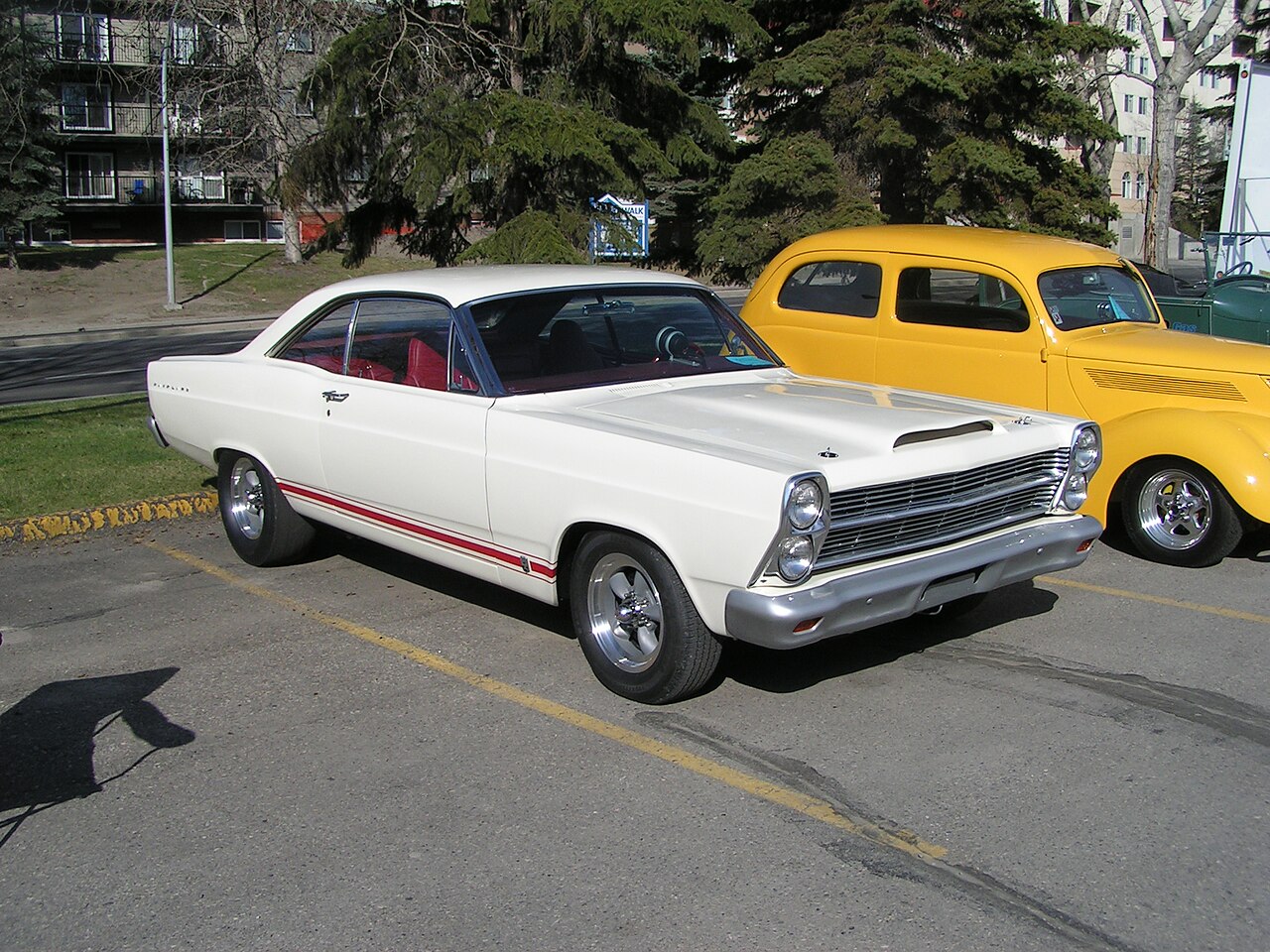
How a Ford Fairlane is identified
The American Fairlane of the 1950s and 1960s predates the 17-character VIN and uses Ford’s older factory numbering, which records the model, body and engine by year-specific schemes. The Australian Fairlane, built into the 2000s, uses the modern 17-character VIN on later cars, where the first three characters mark Australian manufacture, the descriptor section records the engine and body, and the tenth character is the model year.
| Identification clue | What it means |
|---|---|
| 1981 and later cars | Use the standard 17-character VIN |
| Classic American Fairlane | Uses older factory numbers, read with year-specific references |
| Australian Fairlane | Built by Ford in Australia, long-wheelbase luxury car |
| Engine and body | Recorded in the descriptor section of the number |
| Where to find it | Windshield base or dashboard, door or body plate, and registration documents |
Ford Fairlane VIN position by position
The Fairlane name covers two very different cars. The American Fairlane ran from the 1950s into 1970 and predates the seventeen character VIN, so it uses a shorter Ford number. The Australian Fairlane was a long running luxury car based on the Falcon that lasted to 2007, and the later Australian cars use the full seventeen character VIN, which the table below describes.
| Position | Name | What it tells you on an Australian Fairlane |
|---|---|---|
| 1 to 3 | World Manufacturer Identifier | 6FP marks a car built by Ford in Australia, at the Broadmeadows plant near Melbourne |
| 4 to 8 | Vehicle descriptor | Body style, series and engine, where the six is separated from the V8 |
| 9 | Check digit | A calculated character that validates the rest of the VIN |
| 10 | Model year | A single character, listed in the chart below |
| 11 | Assembly plant | The Ford Australia factory that built the car |
| 12 to 17 | Serial number | The build sequence unique to that Fairlane |
Australian Ford Fairlane model year codes (position 10)
On the later Australian cars the tenth character gives the model year.
| Model year | Code in position 10 |
|---|---|
| Ford Fairlane 2000 | Y |
| Ford Fairlane 2001 | 1 |
| Ford Fairlane 2002 | 2 |
| Ford Fairlane 2003 | 3 |
| Ford Fairlane 2004 | 4 |
| Ford Fairlane 2005 | 5 |
| Ford Fairlane 2006 | 6 |
| Ford Fairlane 2007 | 7 |
Where to find the number on a Ford Fairlane
On the later Australian cars the VIN sits on the compliance plate and reads through the base of the windscreen. On an American Fairlane the number is stamped on the car and set out on the door data plate, with the year, plant, body and engine spelled out. On the American cars especially, a genuine big block or a GT is worth confirming against the plate rather than the badges.
Reading a Fairlane VIN in practice
Take a later Australian car whose VIN opens with 6FP. That confirms a Ford built in Australia. The tenth character then fixes the model year from the chart above, and the descriptor section shows whether it left the line as a six or a V8. On an American Fairlane you instead read the older number against a year specific chart, where the first character gives the year.
The Ford Fairlane story
The American Fairlane began in the mid-1950s as a full-size Ford and became a midsize favourite in the 1960s, including sporty and muscle versions. The Australian Fairlane was a separate, long-running model: a stretched, luxury version of the Falcon built from 1967 to 2007, prized locally for its space and comfort.
| Version | Years | Body | Typical engines | VIN type |
|---|---|---|---|---|
| Ford Fairlane (United States) | 1955 to 1970 | Full-size then midsize | Inline-six, small and big-block V8 | Pre-1981 factory number |
| Ford Fairlane (Australia) | 1967 to 2007 | Long-wheelbase luxury sedan | Inline-six, 4.9 to 5.4 V8 | Older then 17-character |
Ford Fairlane engines
Confirming the engine against the car’s documentation matters for value and originality on a Fairlane.
| Configuration | Notes |
|---|---|
| Ford Fairlane inline-six | Economical engine on base cars |
| Ford Fairlane small-block V8 | Common V8 across many years |
| Ford Fairlane big-block V8 (US) | Used on the sought-after American performance models |
| Ford Fairlane V8 (Australia) | Fitted to the luxury Australian sedans |
Reliability and the things worth checking
On a classic Fairlane, condition and originality matter most.
| Area | What to check |
|---|---|
| Ford Fairlane bodywork | Rust is the main enemy: inspect the body, floors and chassis carefully |
| Ford Fairlane performance models | Confirm authenticity of muscle and V8 versions, which command a premium |
| Ford Fairlane engine and transmission | Check for oil leaks, smoke and clean shifts on a test drive |
| Ford Fairlane originality | Confirm the engine and trim match the documentation |
A careful inspection for rust and originality, supported by the car’s documentation, is essential on a classic of this age.
Buying a used Ford Fairlane
Confirm the model, year and engine against the car’s identification number and paperwork. On the classic American Fairlane, a solid body and genuine drivetrain are everything, and on the Australian Fairlane a well-kept luxury sedan with history is worth seeking out. When you are ready, enter your Ford Fairlane details in the decoder above and compare them with the car and its documents.