Ford Ka VIN Decoder: Generations, Engines and VIN Lookup Guide
Every Ford Ka carries a 17-character Vehicle Identification Number, and decoding it is the quickest way to confirm what a given city car really is before you trust a listing. The VIN reveals the model year, the plant it came from, the engine fitted at the factory, the body style and the safety equipment. On a used Ka this matters most for confirming the exact engine and generation, and verifying the model year a seller claims. Run any Ka VIN through the decoder above to read it in seconds. The guide below explains how the number is built, walks through the generations, and points out what to check on each.
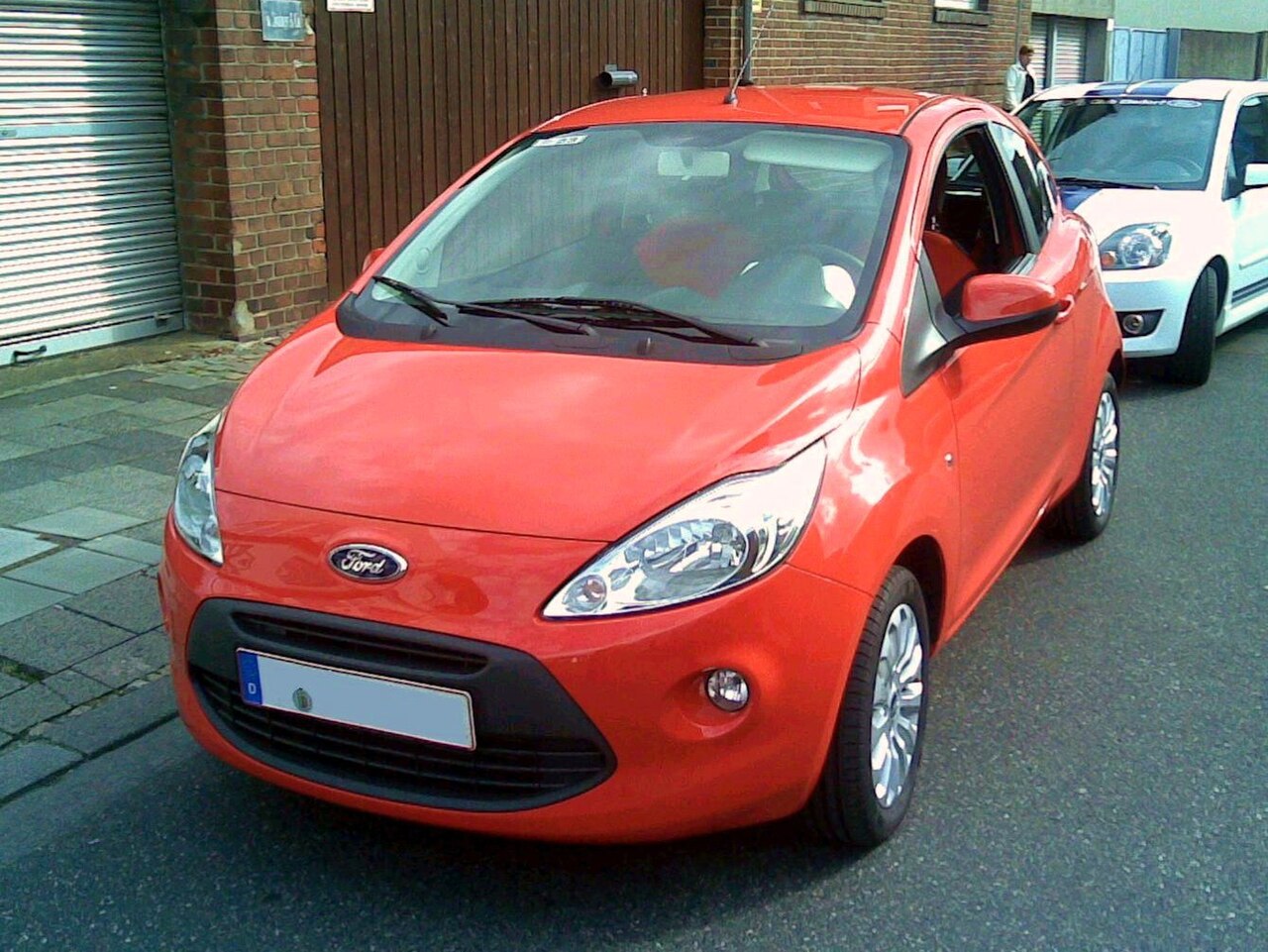
How a Ford Ka VIN is put together
The 17 characters follow a global standard, so each position carries fixed meaning. The first three are the World Manufacturer Identifier, which depends on where the car was built. European Ka models built in Europe typically begin with WF0, the identifier for Ford in Europe, while the later Ka Plus built in India carries a different identifier. Characters four through eight describe the body, the restraint system and the engine. The ninth character is a check digit, the tenth is the model year, the eleventh is the plant, and the final six are the unique build sequence.
| VIN clue | What it means |
|---|---|
| WMI WF0 | Ford Ka built by Ford in Europe |
| Position 9 | Check digit that validates the whole VIN |
| Position 10 | Model year code (for example A is 2010, J is 2018) |
| Positions 4 to 8 | Body style, restraint system and engine family |
| Positions 12 to 17 | Unique sequential build number |
You will find the VIN at the base of the windshield on the driver’s side, on the door jamb label, and in the registration paperwork.
Ford Ka VIN position by position
The Ka is a small city car that changed a lot across its life, and it was built in more than one country, so the VIN is useful for confirming both the year and the origin. It uses the standard seventeen character layout. The first Ka was built in Spain, the second shared its underpinnings with the Fiat 500 and was built in Poland, and the Ka Plus came from India.
| Position | Name | What it tells you on a Ka |
|---|---|---|
| 1 to 3 | World Manufacturer Identifier | WF0 for the earlier European cars, while the later cars built in Poland and India carry different codes |
| 4 to 8 | Vehicle descriptor | Body, trim and engine |
| 9 | Check digit | A calculated character that validates the rest of the VIN |
| 10 | Model year | A single character, listed in the chart below |
| 11 | Assembly plant | The factory that built the car |
| 12 to 17 | Serial number | The build sequence unique to that Ka |
Ford Ka model year codes (position 10)
The tenth character gives the model year. Match your letter or number below.
| Model year | Code in position 10 |
|---|---|
| Ford Ka 2000 | Y |
| Ford Ka 2001 | 1 |
| Ford Ka 2002 | 2 |
| Ford Ka 2003 | 3 |
| Ford Ka 2004 | 4 |
| Ford Ka 2005 | 5 |
| Ford Ka 2006 | 6 |
| Ford Ka 2007 | 7 |
| Ford Ka 2008 | 8 |
| Ford Ka 2009 | 9 |
| Ford Ka 2010 | A |
| Ford Ka 2011 | B |
| Ford Ka 2012 | C |
| Ford Ka 2013 | D |
| Ford Ka 2014 | E |
| Ford Ka 2015 | F |
| Ford Ka 2016 | G |
Where to find the VIN on a Ford Ka
Read the VIN through the base of the windscreen on the driver side and check it against the plate or label in the door area. These were cheap runabouts that changed hands often, so a quick VIN read is the simplest way to confirm the year and history match the advert.
Reading a Ka VIN in practice
Take a car whose VIN opens with WF0 and shows 6 in position ten. That places it as a European built Ford from the 2006 model year, one of the first generation cars. The descriptor section then shows the trim and engine, and the closing six digits are the car’s own serial number.
Generations of the Ford Ka
The Ka was Ford’s smallest car in Europe and a popular first car for many drivers. The first generation ran from 1996 with distinctive styling on Fiesta mechanicals, the second generation from 2008 shared its platform with the Fiat 500, and the larger Ka Plus from 2016 moved the model into the small hatchback class before it was discontinued.
| Generation | Years | Body | Key engines | VIN type |
|---|---|---|---|---|
| Ford Ka first generation | 1996 to 2008 | Three-door city car | 1.3 petrol | 17-character |
| Ford Ka second generation | 2008 to 2016 | Three-door city car | 1.2 petrol, 1.3 diesel | 17-character |
| Ford Ka Plus | 2016 to 2019 | Five-door hatchback | 1.2 and 1.5 petrol, 1.5 diesel | 17-character |
Ford Ka engines and specifications
Because the engine code sits in the middle of the VIN, a check confirms the engine the car was built with, which is exactly what you want when a listing is vague about the unit.
| Configuration | Years | Power | Fuel |
|---|---|---|---|
| Ford Ka 1.3 petrol | 1996 to 2008 | about 60 to 70 hp | Petrol |
| Ford Ka 1.2 petrol | 2008 to 2016 | about 69 hp | Petrol |
| Ford Ka Plus 1.2 petrol | 2016 to 2019 | about 70 to 85 hp | Petrol |
| Ford Ka Plus 1.5 diesel | 2018 to 2019 | about 95 hp | Diesel |
Ford Ka by model year
The Ka follows the standard VIN year characters, so position ten quickly confirms the year a seller claims.
| Model year | VIN year code | Generation |
|---|---|---|
| Ford Ka 2010 | A | Second generation |
| Ford Ka 2013 | D | Second generation |
| Ford Ka 2015 | F | Second generation |
| Ford Ka 2017 | H | Ka Plus |
| Ford Ka 2018 | J | Ka Plus |
Reliability and the things worth checking
The Ka is simple and generally dependable, but its age and city use mean condition matters. Confirm a specific car against the relevant records by its VIN where possible.
| Area | What to check |
|---|---|
| Ford Ka first generation bodywork | Early cars are prone to rust, so inspect arches, sills and floors carefully |
| Ford Ka second generation | Shares parts with the Fiat 500; confirm cam belt and service history |
| Ford Ka clutch and gearbox | City cars get heavy clutch use, so check for wear on a test drive |
| Ford Ka general | Inspect for parking damage and confirm a clean accident record |
A VIN check together with a careful inspection, especially for rust on older cars, is the best way to avoid a tired Ka.
Buying a used Ford Ka
Decode the VIN first and confirm the model year, engine and generation match the advertisement. On these affordable city cars, condition and a tidy service history matter more than specification, and on the first generation a rust-free body is the single most important thing to confirm. When you are ready, enter your Ford Ka VIN in the decoder above to confirm the year, engine and configuration before you buy.