Ford Econovan VIN Decoder: History and Identification Guide (1987 to 2006)
Every Ford Econovan carries an identification number that tells you what a given van really is, which is useful when buying, servicing or verifying one of these practical workhorses. Because the Econovan was a rebadged Mazda built in Japan, its number reflects Japanese manufacture, and decoding it helps confirm the model year, engine and configuration.
This page covers the Ford Econovan from 1987 to 2006. Run a VIN through the decoder above, and use the guide below to understand the number and what to check.
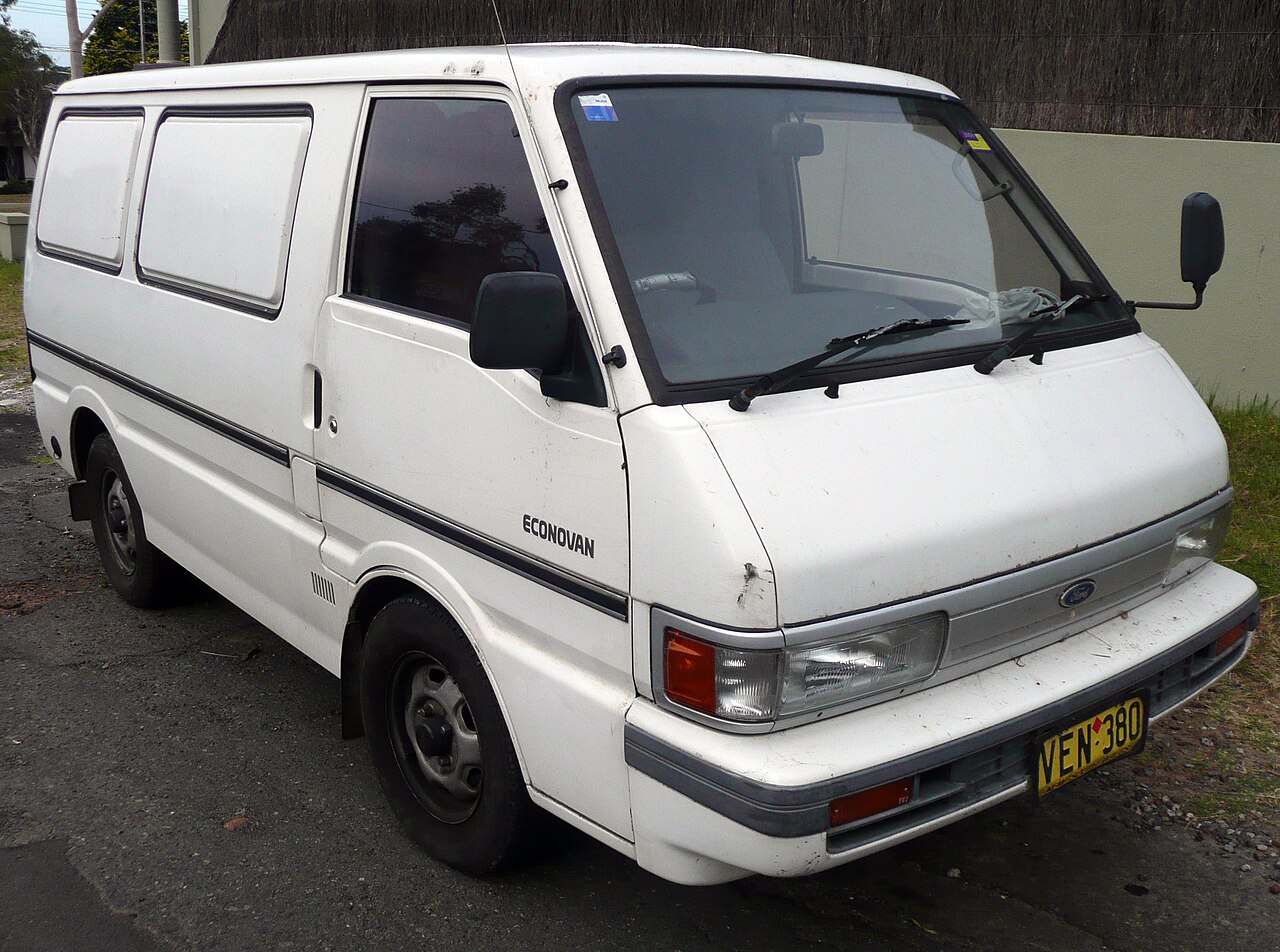
How a Ford Econovan VIN is put together
The Econovan was built by Mazda in Japan, so its identification reflects Japanese manufacture rather than a Ford United States code. On the 17-character era cars the first three characters are the World Manufacturer Identifier showing Japanese origin, the descriptor section records the body and engine, the tenth character is the model year and the eleventh is the plant. The number confirms whether a van is petrol or diesel and which body it uses.
| VIN clue | What it means |
|---|---|
| Japanese WMI | Ford Econovan built by Mazda in Japan |
| Position 9 | Check digit that validates the whole VIN |
| Position 10 | Model year code |
| Positions 4 to 8 | Body, restraint system and engine family |
| Positions 12 to 17 | Unique sequential build number |
You will find the number on the body plate in the engine bay or cab, on the door area, and in the registration documents.
About the Ford Econovan
The Econovan was Ford’s compact van for Australia, New Zealand and parts of Asia, a rebadged version of the Mazda Bongo and E-Series van. It was a simple, durable cargo and people mover offered with petrol and diesel engines and in short and long-wheelbase forms, popular with tradespeople and small businesses.
| Phase | Years | Body | Key engines | Origin |
|---|---|---|---|---|
| Ford Econovan (1987 to 2006) | 1987 to 2006 | Compact cargo and passenger van | 1.8 and 2.0 petrol, 2.0 and 2.2 diesel | Built by Mazda in Japan |
Ford Econovan engines and specifications
Confirming the engine against the van’s identification helps when sourcing parts for these Mazda-based vehicles.
| Configuration | Years | Power | Fuel |
|---|---|---|---|
| Ford Econovan 1.8 petrol | 1987 to 2006 | about 80 hp | Petrol |
| Ford Econovan 2.0 petrol | 1987 to 2006 | about 90 hp | Petrol |
| Ford Econovan 2.0 and 2.2 diesel | 1987 to 2006 | about 65 to 75 hp | Diesel |
Ford Econovan by configuration
The number and badging help confirm the body and drivetrain on a used Econovan.
| If the van is | What to expect |
|---|---|
| Ford Econovan short-wheelbase | Compact van for tight city work |
| Ford Econovan long-wheelbase | More load space for heavier duties |
| Ford Econovan petrol | Smoother and quieter for lighter use |
| Ford Econovan diesel | More economical for high-mileage work |
Reliability and the things worth checking
The Econovan is simple and tough, but as an older commercial van its condition matters most.
| Area | What to check |
|---|---|
| Ford Econovan bodywork | Inspect for rust in the floor, sills and around the doors |
| Ford Econovan engine | Confirm cooling, timing belt and general maintenance |
| Ford Econovan commercial use | Check for heavy wear from years of work, including clutch and suspension |
| Ford Econovan general | Confirm the identification details match and look for past accident repair |
A careful inspection for rust and a healthy drivetrain is the best way to choose a sound Econovan.
Buying a used Ford Econovan
Confirm the year, engine and body against the van’s identification number and paperwork. On this simple, hard-working van, a rust-free body and a well-maintained engine matter far more than specification.
When you are ready, enter your Ford Econovan details in the decoder above and compare them with the van and its documents.