Ford Freda VIN Decoder: History, Engines and VIN Lookup Guide
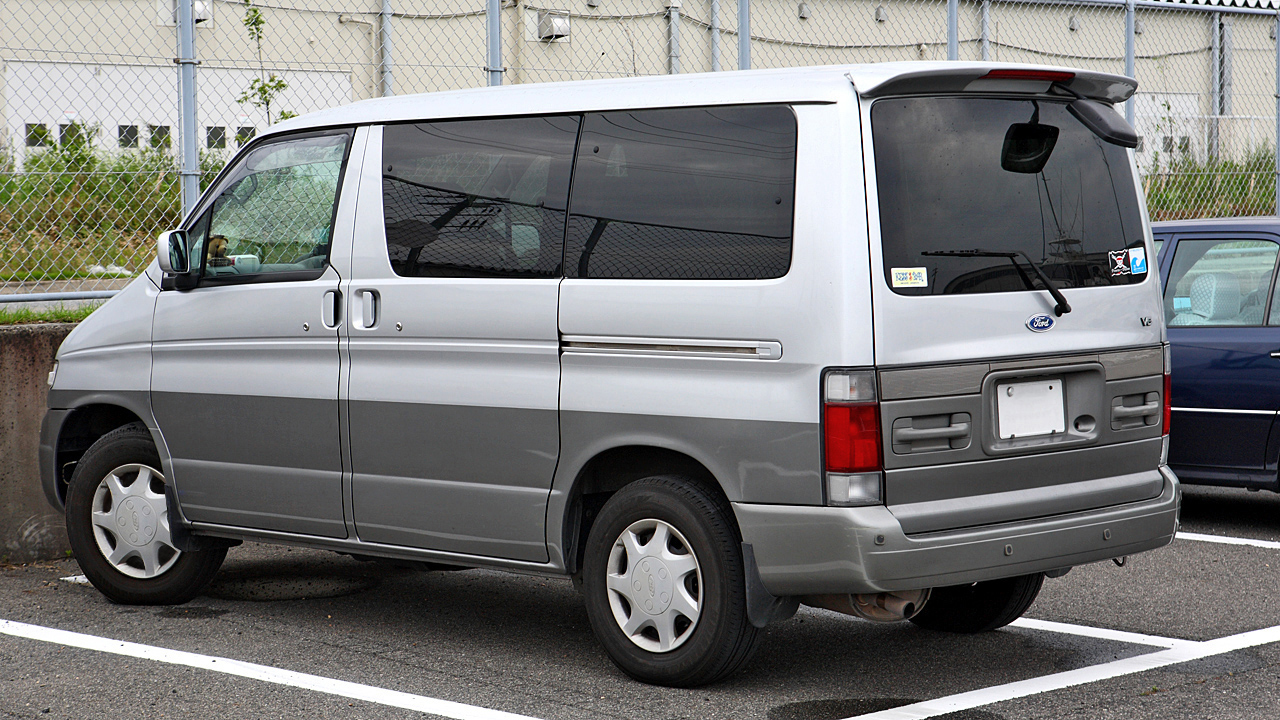
Every Ford Freda carries an identification number, and reading it is the quickest way to confirm what a particular vehicle really is before you trust a listing. The Freda was a Japanese market people mover sold from 1995 to 2005, a rebadged version of the Mazda Bongo Friendee, popular as a versatile family van with sliding doors and, on some versions, a pop up roof. As a Japanese vehicle it uses a Japanese chassis number and chassis code rather than the western 17 character VIN, and reading these confirms the model, engine and drivetrain.
You can run a Freda number through the decoder at the top of this page, and the guide below explains how the number works, covers the engines, and points out what to check when you look one over.
How a Ford Freda VIN is put together
As a Japanese domestic market vehicle, the Freda carries a Japanese chassis number rather than the 17 character VIN used in North America and Europe. The key identifier is the chassis code, a short combination of letters and numbers stamped on a plate in the engine bay and recorded on the import and registration paperwork, which tells you the model, the engine and whether the vehicle is two or four wheel drive.
Because most Fredas outside Japan are imports, the chassis number and the import documentation are what you match against the vehicle. The quick reference below covers the clues you will use most often when you read a Ford Freda number.
| VIN clue | What it means |
|---|---|
| Chassis code | Identifies the model, engine and drivetrain, stamped in the engine bay |
| Engine | A petrol four, a 2.5 V6 or a 2.5 turbodiesel |
| Drivetrain | Two wheel drive or four wheel drive |
| Import paperwork | Should match the chassis number on the vehicle |
| Japanese export records | Auction sheets can confirm the original specification and condition |
On an imported vehicle, matching the chassis number with the import and registration paperwork is the first check worth doing.
A short history of the Ford Freda
The Freda was sold in Japan as Ford’s version of the Mazda Bongo Friendee, the two companies having shared models for years. It was a compact one box people mover built for families, offered with petrol and turbodiesel engines, with two or four wheel drive, and famously with an available Auto Free Top, a pop up roof that turned the van into a simple camper. It was sold until 2005, and many have since been exported as used imports. The table below sums up the vehicle.
| Generation | Years | Body | Key engines |
|---|---|---|---|
| Ford Freda | 1995 to 2005 | Compact MPV van | 2.0 and 2.5 petrol, 2.5 turbodiesel |
Ford Freda engines and specifications
Because the engine is identified by the chassis code, confirming it against the vehicle is well worth doing. The figures below cover the main engines, with power as a range because output varied across the run.
| Configuration | Years | Power | Layout |
|---|---|---|---|
| Ford Freda 2.0 petrol | 1995 to 2005 | about 100 to 120 hp | Inline-4 petrol |
| Ford Freda 2.5 V6 petrol | 1995 to 2005 | about 160 hp | V6 petrol |
| Ford Freda 2.5 turbodiesel | 1995 to 2005 | about 90 to 125 hp | Turbocharged diesel |
Ford Freda by model year
Buyers searching for a specific year want to know what they are getting, so the table below maps several years to the engines offered. The Freda uses a Japanese chassis number rather than the 17 character VIN.
| Model year | Identification | Engine options |
|---|---|---|
| Ford Freda 1996 | chassis code | 2.0 petrol, 2.5 diesel |
| Ford Freda 1999 | chassis code | 2.0, 2.5 V6, diesel |
| Ford Freda 2002 | chassis code | 2.0 petrol, 2.5 diesel |
| Ford Freda 2004 | chassis code | 2.0 petrol, 2.5 diesel |
Reliability and the things worth checking
The Freda shares the dependable engineering of the Mazda Bongo, but these are now older imported vehicles, so condition and history matter most. The most common points to check are summarized below.
| Engine or area | What to check |
|---|---|
| Ford Freda turbodiesel | Check the turbo, injectors and for the cooling and overheating issues these vans can suffer |
| Ford Freda petrol | Confirm cambelt history and cooling system condition |
| Ford Freda pop up roof | If fitted, check the Auto Free Top mechanism and seals work correctly |
| Ford Freda body | Check for rust and confirm the import history and mileage against auction records |
Buying a used Ford Freda
When you find one worth pursuing, read the chassis number and match it to the import and registration paperwork, and where possible check the original Japanese auction sheet for the genuine condition and mileage. Pay close attention to the cooling system on diesel vans, check the pop up roof if fitted, and inspect for corrosion.
When you are ready, enter your Ford Freda number in the decoder above, then use the advice here to make sure the vehicle is genuinely what it claims to be.