Ford Econoline VIN Decoder: E-Series Vans (1992 to 2021) VIN Lookup Guide
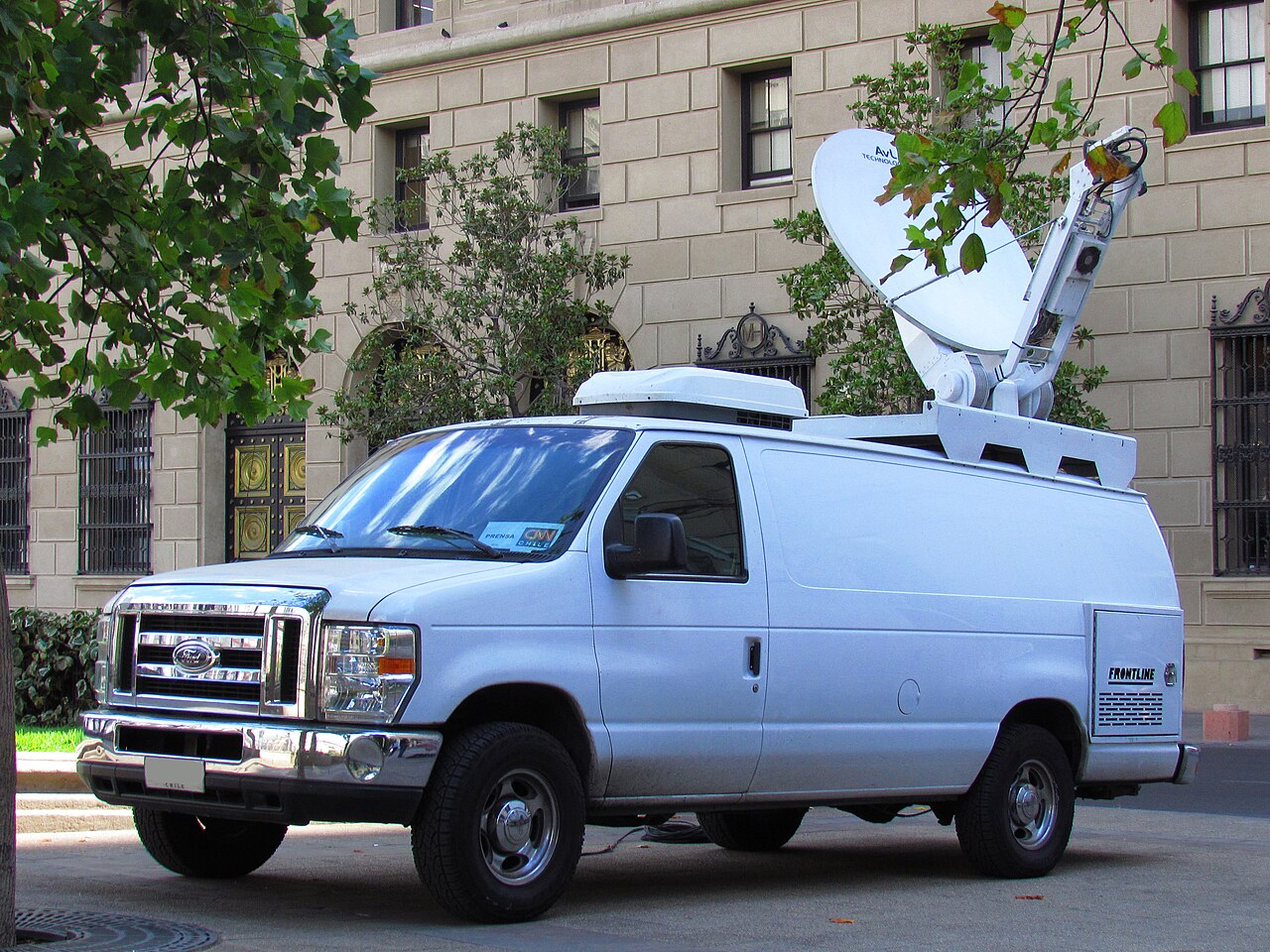
Every Ford Econoline carries a 17-character Vehicle Identification Number, and decoding it is the quickest way to confirm what a given van really is before you trust a listing. The VIN reveals the model year, the plant it came from, the engine fitted at the factory, the series and the safety equipment. On the Econoline, also known as the E-Series, this matters most for confirming the engine, telling a gas V8 from a diesel, and identifying the series and weight rating a seller claims. This page covers the fourth-generation Ford Econoline and E-Series from 1992 to 2021. Run any Econoline VIN through the decoder above to read it in seconds, and use the guide below to understand the number and what to check.
How a Ford Econoline VIN is put together
The 17 characters follow a global standard, so each position carries fixed meaning. The Econoline was built in the United States, so its VIN begins with a Ford truck or commercial code such as 1FT, 1FB or 1FD, marking a Ford built in the United States. Characters four through eight describe the body, the series and weight rating, the restraint system and the engine. The ninth character is a check digit, the tenth is the model year, the eleventh is the plant, and the final six are the unique build sequence.
| VIN clue | What it means |
|---|---|
| WMI 1FT, 1FB or 1FD | Ford Econoline built as a Ford van or commercial vehicle in the United States |
| Position 9 | Check digit that validates the whole VIN |
| Position 10 | Model year code (for example F is 2015, L is 2020) |
| Positions 4 to 8 | Series, weight rating, body and engine |
| Positions 12 to 17 | Unique sequential build number |
You will find the VIN at the base of the windshield on the driver’s side, on the door jamb label, and in the registration paperwork.
Ford Econoline VIN position by position
The modern Econoline, also sold as the E-Series, uses the seventeen character VIN. Reading it in order tells you the series, the year and the engine, which matters on a van that came in cargo, passenger and cutaway forms with a wide choice of engines.
| Position | Name | What it tells you on an Econoline |
|---|---|---|
| 1 to 3 | World Manufacturer Identifier | 1FT for a cargo van and 1FB for a passenger wagon, both Ford built in the United States |
| 4 to 7 | Vehicle descriptor | The series and body, where E150, E250 and E350 are separated along with the load rating |
| 8 | Engine | The engine code, read with the year, since the range ran from a V6 to V8 and V10 petrol and several diesels |
| 9 | Check digit | A calculated character that validates the rest of the VIN |
| 10 | Model year | A single character, listed in the chart below |
| 11 | Assembly plant | The Ford factory that built the van, such as Lorain or Avon Lake in Ohio |
| 12 to 17 | Serial number | The build sequence unique to that van |
Ford Econoline model year codes (position 10)
For the modern vans the tenth character reads as follows.
| Model year | Code in position 10 |
|---|---|
| Ford Econoline 2000 | Y |
| Ford Econoline 2001 | 1 |
| Ford Econoline 2002 | 2 |
| Ford Econoline 2003 | 3 |
| Ford Econoline 2004 | 4 |
| Ford Econoline 2005 | 5 |
| Ford Econoline 2006 | 6 |
| Ford Econoline 2007 | 7 |
| Ford Econoline 2008 | 8 |
| Ford Econoline 2009 | 9 |
| Ford Econoline 2010 | A |
| Ford Econoline 2011 | B |
| Ford Econoline 2012 | C |
| Ford Econoline 2013 | D |
| Ford Econoline 2014 | E |
Where to find the VIN on a Ford Econoline
Read the VIN through the base of the windshield on the driver side and check it against the door jamb label, which also lists the weight ratings that matter on a work van. Many of these vans led hard commercial lives, so make sure the number is intact and matches the paperwork before you buy.
Reading an Econoline VIN in practice
Take a van whose VIN starts with 1FT and shows 6 in position ten. That marks it as a United States built Ford van from the 2006 model year. The series characters then tell you whether it is an E150, E250 or E350, position eight identifies the engine, and the final digits are the van’s own serial number.
About the Ford Econoline and E-Series
The Econoline, later branded the E-Series, was Ford’s full-size van and a fixture of American commercial fleets for decades. The 1992 to 2021 era covers the long-running fourth generation, offered as cargo and passenger vans and, in its later years, mainly as a cutaway and chassis cab for motorhomes, ambulances and box trucks after the Transit took over the van role.
| Series | Years | Body | Key engines | VIN type |
|---|---|---|---|---|
| Ford Econoline E-150 and E-250 | 1992 to 2014 | Cargo and passenger van | 4.6, 5.4 V8, 4.2 V6 | 17-character |
| Ford Econoline E-350 and E-450 | 1992 to 2021 | Van, cutaway, chassis cab | 5.4 and 6.8 V8, diesel | 17-character |
Ford Econoline engines and specifications
Because the engine code sits in the middle of the VIN, a check confirms the engine the van was built with, which is important for parts and for telling gas from diesel.
| Configuration | Years | Power | Fuel |
|---|---|---|---|
| Ford Econoline 5.4 V8 | 1997 to 2021 | about 255 to 305 hp | Petrol |
| Ford Econoline 6.8 V10 | 1997 to 2019 | about 305 to 320 hp | Petrol |
| Ford Econoline 4.6 V8 | 1997 to 2014 | about 225 to 255 hp | Petrol |
| Ford Econoline Power Stroke diesel | 1992 to 2010 | varies by year | Diesel |
Ford Econoline by model year
The Econoline follows the standard VIN year characters, so position ten quickly confirms the year a seller claims.
| Model year | VIN year code | Notes |
|---|---|---|
| Ford Econoline 2008 | 8 | Vans and cutaways |
| Ford Econoline 2014 | E | Last full van year before Transit |
| Ford Econoline 2016 | G | Mainly cutaway and chassis cab |
| Ford Econoline 2019 | K | Cutaway and chassis cab |
| Ford Econoline 2021 | M | Final E-Series year |
Reliability and the things worth checking
The Econoline is durable but usually worked hard in commercial or motorhome service, so confirm a specific van against the NHTSA recall database by its VIN.
| Area | What to check |
|---|---|
| Ford Econoline 5.4 and 6.8 engines | Confirm spark plug and cooling history, and check for high commercial mileage |
| Ford Econoline transmission and brakes | Heavy use wears these faster, so test thoroughly |
| Ford Econoline body and frame | Inspect for rust and load or towing damage, especially on cutaways |
| Ford Econoline general | Verify open recalls by VIN and confirm a clean accident record |
A VIN history check together with a careful inspection is essential on a commercial van that may have led a hard life.
Ford Econoline recalls
Below are notable safety recalls recorded for the Ford Econoline, also sold as the E-series, by the American road safety regulator, the NHTSA. This is a reference list, not a check of your individual van, and a recall applies only to certain build dates and VIN ranges.
| Model years | NHTSA number | Area | Problem and risk |
|---|---|---|---|
| 1992 to 2003 | 07V336 / 08V051 | Speed control switch | The cruise control deactivation switch can leak internally and overheat, smoke or burn, causing an under hood fire. A fused wiring harness is installed. |
| 2016, E-350 and E-450 with 6.8L | 15V710 / 16V046 | Trailer brakes | The optional trailer brake controller may not apply the trailer brakes, which lengthens the distance needed to stop. Control module reprogrammed. |
Many E-series vans are converted by outside companies into shuttles, campers, wheelchair vans and propane vehicles, and those conversions carry their own separate recalls from the converter. Because of that a VIN check is the reliable way to see the full list for a specific van. Recall data is published by the NHTSA and changes over time, so treat this as background rather than a substitute for the official record for your VIN.
Check a specific VIN for open recalls: use the official NHTSA recalls lookup or the Ford recall page. Both are free and show whether the work has already been done.
Buying a used Ford Econoline
Decode the VIN first and confirm the model year, series, weight rating and engine match the advertisement, then run that number through the NHTSA recall search. Confirm whether the van is gas or diesel and which series it is, since this affects capacity and running costs, and prioritise a documented service history on a hard-working vehicle. When you are ready, enter your Ford Econoline VIN in the decoder above to confirm the year, engine and configuration before you buy.